


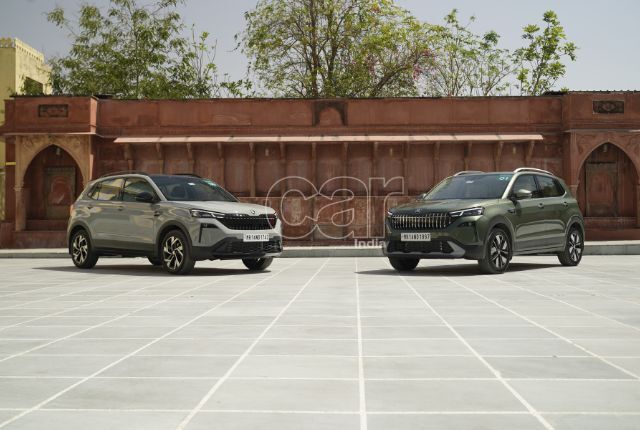
Are the updates on the facelifted Škoda Kushaq enough to keep it fighting fit in its segment?
Story: Gaurav Davare
Photography: Sanjay Raikar
Since 2021 the Škoda Kushaq, has been well known for being a mid-size SUV that was fundamentally sorted. It didn’t need to show off, rather it focused on driving pleasure. In recent times however, the mid-size SUV segment has intensified with plenty of options, which meant the Kushaq needed to keep up with the times. Enter the 2026 Škoda Kushaq that brings in fresh looks, more features and certain mechanical changes. Are these enough to keep it relevant? We got to sample it around Jaipur to find out exactly that.
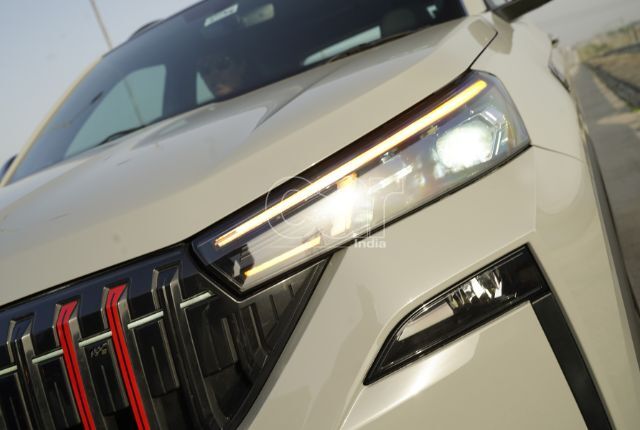
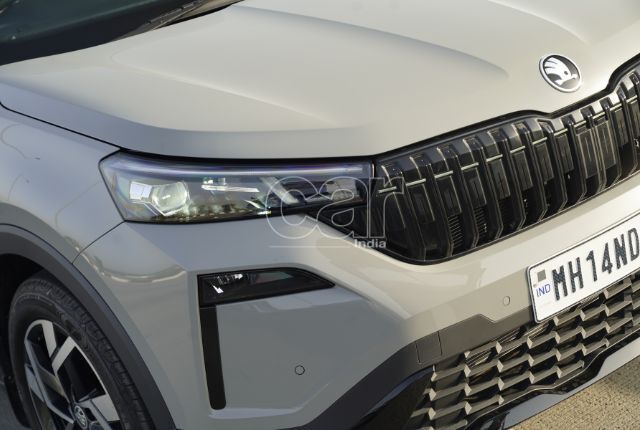
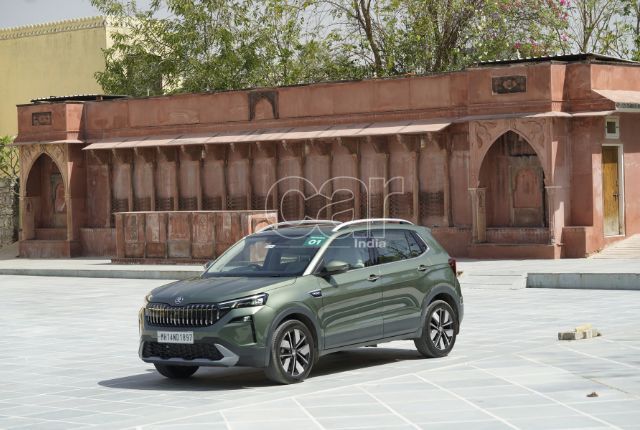
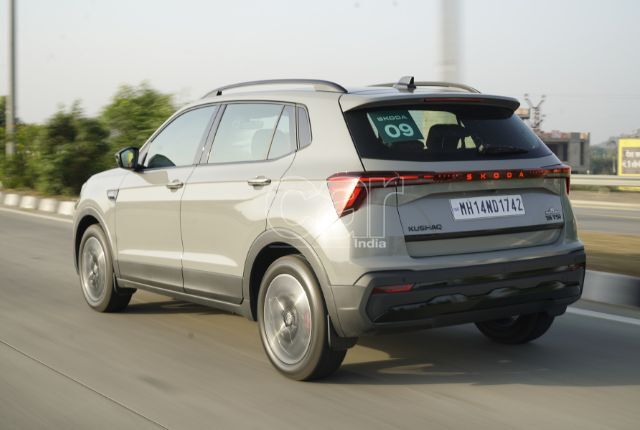
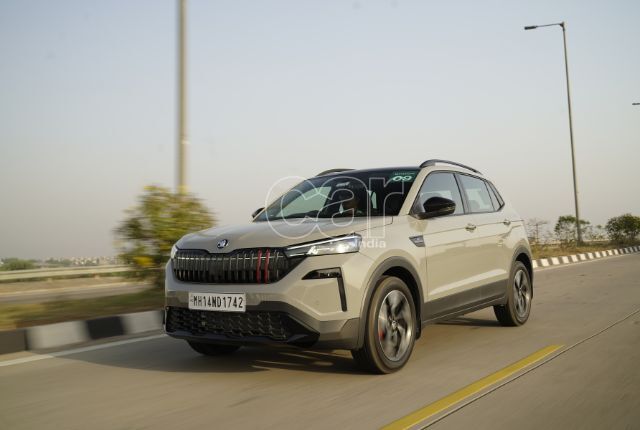
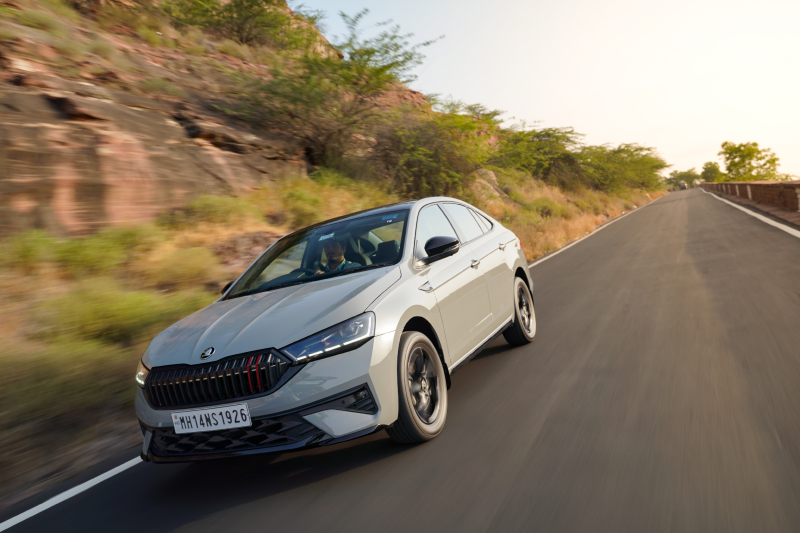
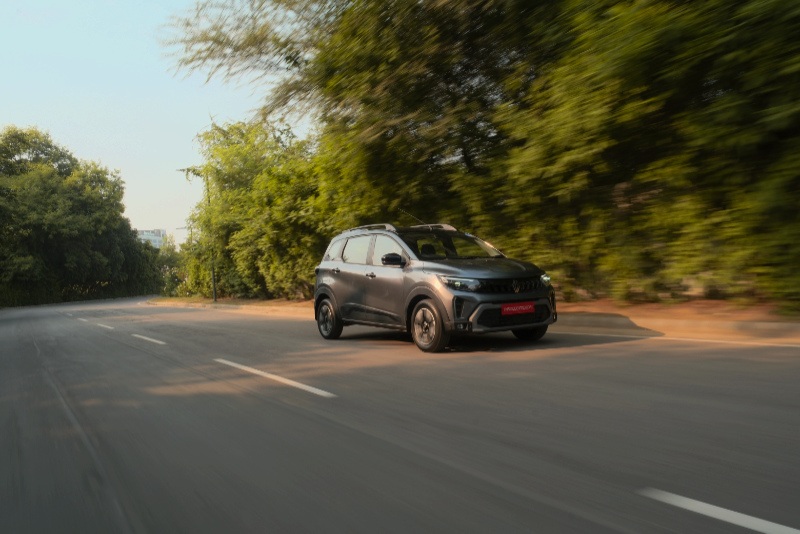
The Kushaq exuded what one would call, understated confidence in its design, not needing extremely aggressive elements and its simple elegance made it stand out in its own unique way. The facelift adds some confidence to its outer appearance as you get a more prominent butterfly grille and within it, a sleek DRL bar to nicely blend in with the sleeker LED DRLs around the headlights. This is complimented by sharper front and rear bumpers, especially with the front faux skid plate that looks like an inverted fang.
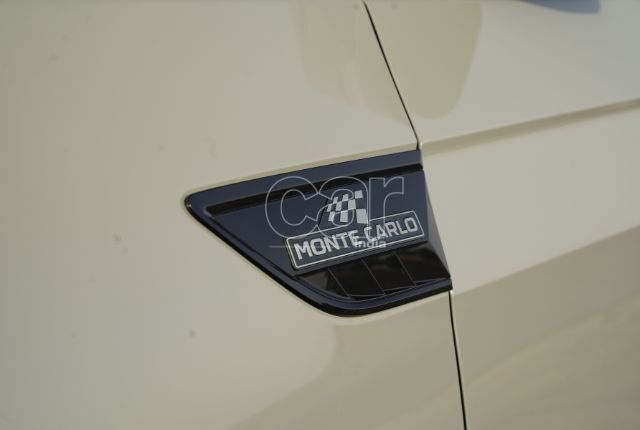
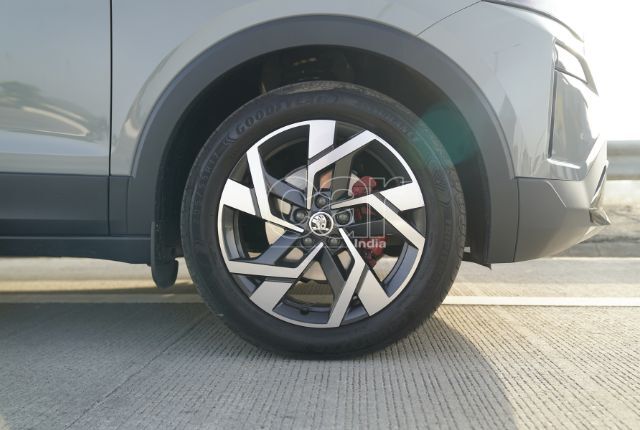
Move over to the side profile and the overall silhouette remains as is with fresh designs for the 17-inch alloy wheels. The Monte Carlo variants add Monte Carlo badging, gloss black and red elements for the exterior such as the grille and brake callipers. A nice addition to the rear end is a connected tail light bar with Škoda lettering on it. Overall, it’s a decent uptick of aggression without sacrificing the understated confidence.
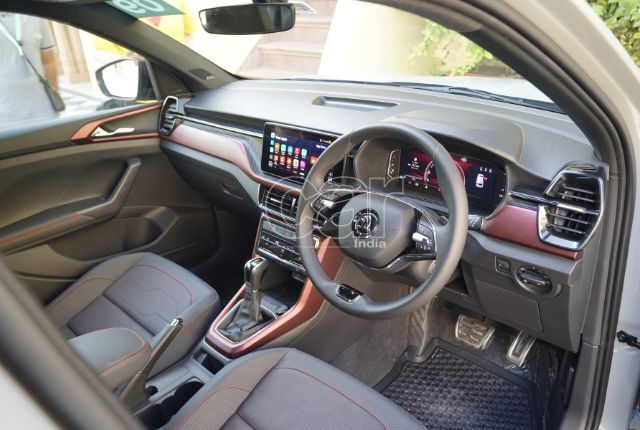
While the exterior has had a fair amount of updates, the cabin is a very familiar sight albeit with a dual-tone shade, and the Monte Carlo variants getting a deeper terracotta shade of red. Not that it’s a bad thing as the 2026 Škoda Kushaq remains ergonomically sorted, but it would’ve been nice to have physical HVAC controls rather than the current touch-sensitive units.
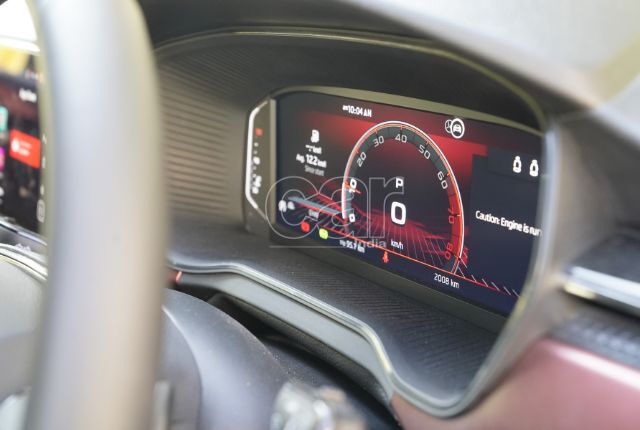
As for what’s new, the Kushaq sports a 10.25-inch instrument cluster that looks nice, with high resolution, is easy to use with a minimalistic layout, and you can customise it with different theme options, while still displaying important car functions in the right places. Amongst the easy-to-use 10.1-inch touchscreen infotainment system, there’s a Google AI assistant, but functions are pretty limited. Of course, there’s now the crowd-favourite panoramic sunroof, and dual-colour ambient lighting which helps the ambience. The key addition is at the rear with a first-in-segment rear massaging seats. Personally though it feels like an odd addition as there’s only an on/off switch and no options in terms of massage pattern and intensity. Also, with heavier clothes, you won’t really feel much. Ideally, having a ventilation function for the rear seats would’ve been better.
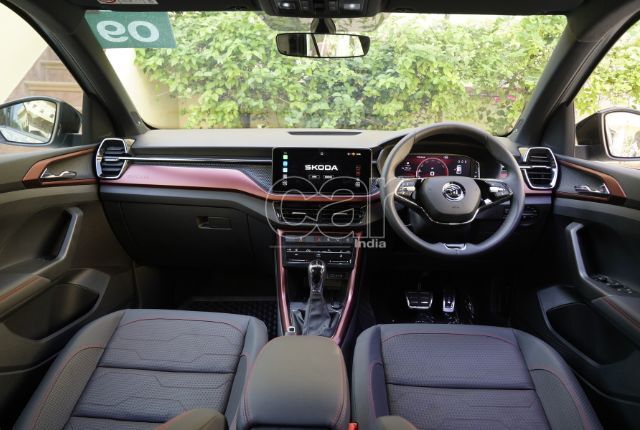
Since there’s no changes to the seats, the experience is the same, with the seats being comfortable and firm enough to handle a day’s worth of travel effortlessly. Rear legroom and headroom is sufficient enough and there’s a healthy dose of door pockets, a deep glovebox and a usable 385-litre boot (floor-to-ceiling).
Add everything up to some of the existing key features like wireless smartphone connectivity, Type-C charging ports, rear AC vents, automatic climate control, six-way powered and ventilated front seats, it’s an honest effort into solving some shortcomings if not all. For starters, it could’ve had a better resolution for the rear parking camera if not a 360-degree view. On the safety front it is decently equipped with six airbags, electronic stability control, hill hold assist, and a tyre pressure monitoring system. In fact, it also boasts a five-star Global NCAP safety rating, but adding ADAS to the fray would’ve sweetened the deal.
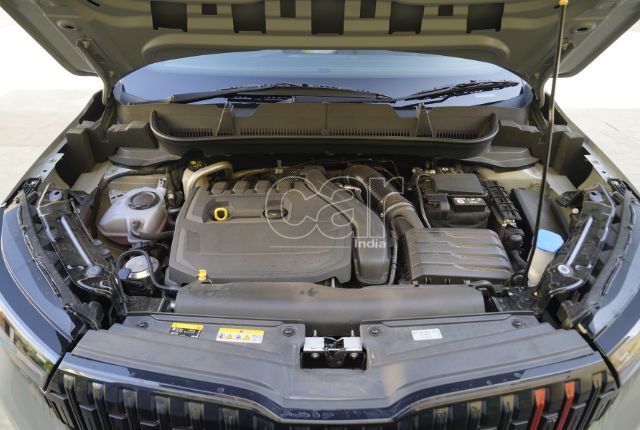
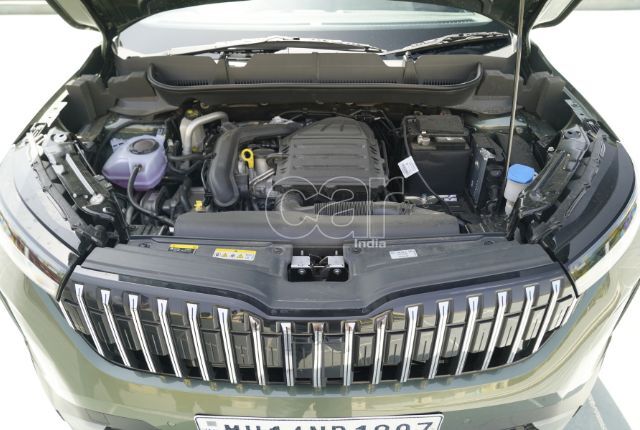
Mechanically, the 2026 Škoda Kushaq carries on with the tried and trusted 115-hp 1.0-litre TSI turbo-petrol and the 150-hp 1.5-litre TSI turbo-petrol engine options. The main change here is the 1.0 TSI getting a new eight-speed automatic (AQ300) alongside the six-speed manual, replacing the AQ250 six-speed torque converter automatic unit. The 1.5 TSI comes mated exclusively to a seven-speed DSG. Jaipur is the perfect backdrop with a variety of roads and scenarios to put the mid-size SUV to the test.
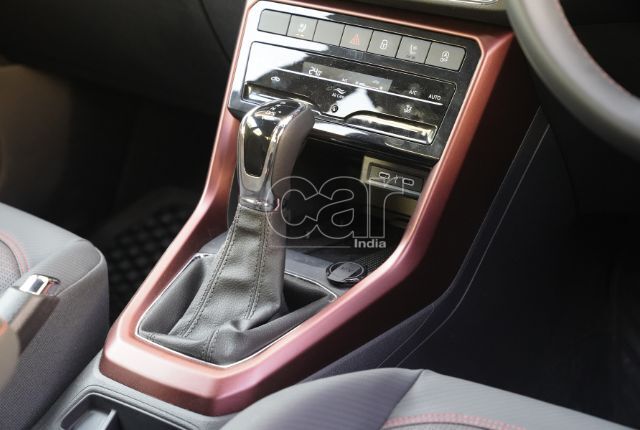
Let’s start with the 1.5 TSI/DSG combo which hasn’t really changed and is my pick to experience the pleasure of driving. The engine is rev-happy, is quick to get off the line, and offers more than adequate grunt for hooning around. The seven-speed DSG automatic gearbox further complements things, with quick and seamless shifts. Of course, it can also do a calm waltz around the highway or at a traffic gridlock when required. There is a caveat to that performance, as it can become a bit of a petrol guzzler when pushing it to the limit. Sure, you can get double-digit figures, but only when driven very sedately. The 1.5 TSI variants now get rear disc brakes which translates to a very confident and strong braking performance.
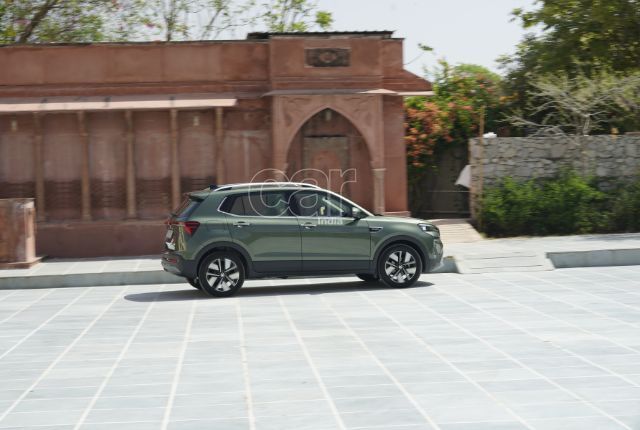
Now let’s get to the attention-grabbing combination. What immediately stood out to me with the 1.0 TSI / eight-speed torque converter automatic setup, is how impressively smooth and quick the gearshifts are while on the move. With the short gear ratios, the engine isn’t stressed and the gearbox upshifts or downshifts at the right rev range, making the drive experience linear, and nicely relaxing. This stress-free experience for the engine should also translate to fuel efficiency as I could comfortably get double-digit figures with a mix of city and highway driving, although you’ll have to wait for our more detailed road test to really test this claim.
Interestingly, the manual mode allows for some flexibility in the rev range before the gearbox automatically changes gears. When asked of it, this combination can provide a decent bit of performance too. Overall, it’s a very enjoyable combination that can easily handle daily driving duties and gets the job done for some adequate performance demands.
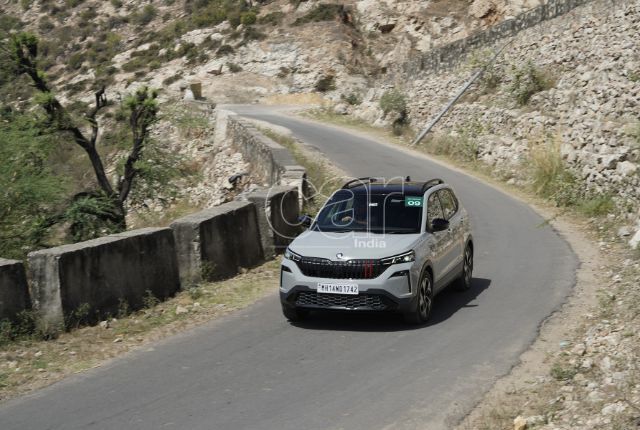
As far as how the facelifted Kushaq rides and handles, it’s typically European, a stiff suspension tune keeping body roll in control and adding a sense of confidence around high-speed bends. Steering feedback is decently light at low speeds and weighs up as you go faster, although I would’ve liked a more weighted feeling. There are some shortcomings to the driving dynamics however with the stiff suspension setup, even though the SUV remains planted, you will feel the broken roads, speedbreakers and rough surfaces, at low speeds. The NVH levels have room for improvement as you’ll feel the road noise going through those broken patches of roads.
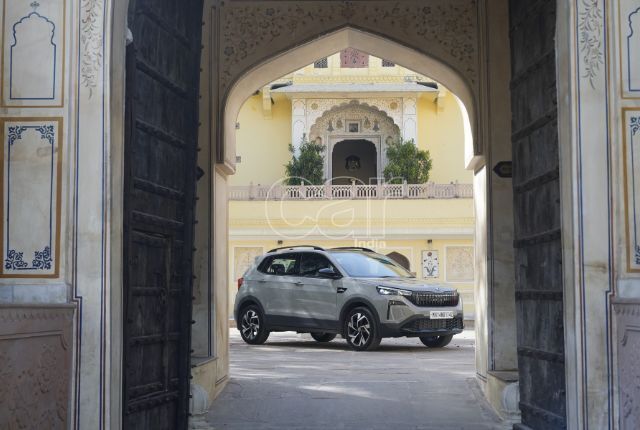
While prices for the 2026 Škoda Kushaq are yet to be released, it has been a respectable attempt from the carmaker to spruce up the mid-size SUV in terms of looks, additional kit, and the technical changes. The 1.0 TSI eight-speed torque converter automatic combination stood out with its smooth and relaxed experience. Of course, there are some misses in the feature list and the NVH levels could be improved, but it is fundamentally sound and doesn’t reinvent the wheel, continuing to offer the enjoyable pleasure of driving it. So if it is priced right, and wanting to have a good driving experience is your preference, then the Škoda Kushaq has remained a relevant choice with its facelift








Leave a Reply