


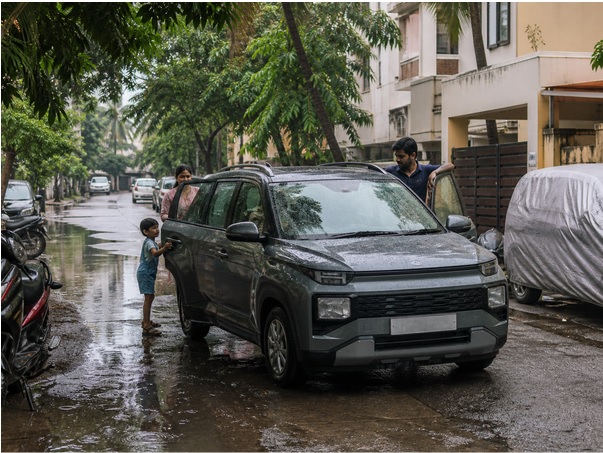
Walk through any resale yard in Ambattur or off Poonamallee High Road, and the pattern becomes obvious within minutes. Compact SUVs get spoken for fast. Hatchbacks move at a steady pace. Sedans tend to sit – sometimes for months – with sellers quietly trimming expectations every fortnight.
This isn’t a fashion cycle. It’s a fairly rational response to how Chennai roads behave between June and December, and how buyers here calculate resale value before they’ve even signed the first cheque.
What Chennai Roads Actually Ask of a Car
Ground clearance is the headline reason. Most compact SUVs sit meaningfully higher than sedans unladen. That’s real breathing room when roads are flooded in the monsoons.
A sedan with considerably less clearance in the same water is a gamble on where the air intake sits, and it doesn’t always pay off.
Then there’s the surface itself. Post-monsoon patchwork on arterial roads punishes soft suspension setups hard, and the taller sidewalls on compact SUV tyres absorb far more of that punishment than low-profile options ever will. Seating position matters equally as well.
Anyone browsing listings for used cars in Chennai will notice how quickly sub-four-metre SUVs clear out compared with equivalent sedans priced in the same bracket. Sellers know it too, and asking prices in this segment soften slowly, for good reason.
The Models Buyers Keep Circling Back To
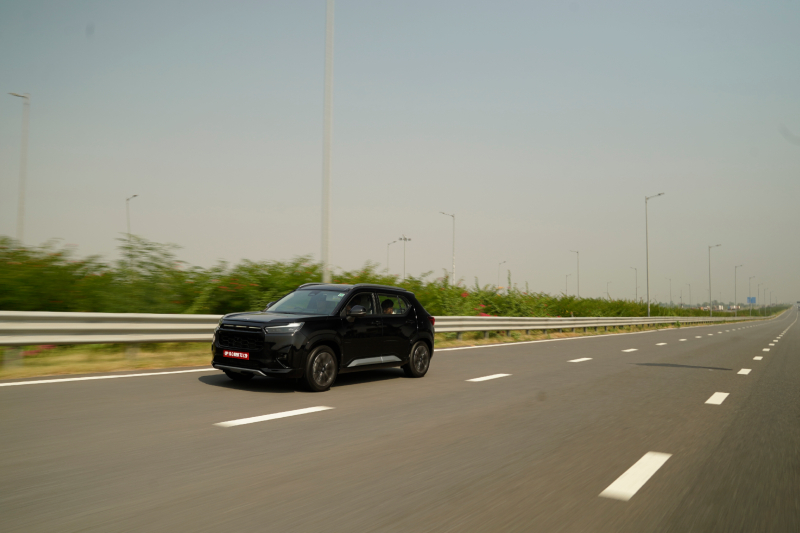
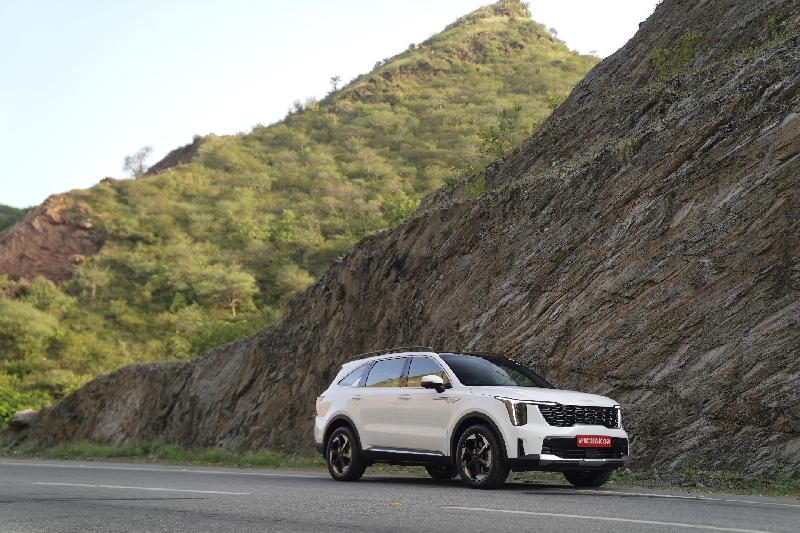
Demand isn’t spread evenly. The Hyundai Creta and Kia Seltos dominate the upper end of the compact SUV resale conversation, largely because both offered feature loads that still feel reasonably current three or four years on.
Below them, the Tata Nexon and Maruti Brezza carry strong volumes, helped by service network depth across Chennai and spare parts pricing that doesn’t surprise you at the counter.
Fuel choice splits the market cleanly. Diesel variants of the Creta and Seltos still command a premium among buyers covering high monthly distances, with owners on longer highway runs regularly reporting strong efficiency figures. Petrol automatics own the lower-mileage, city-use end of the pool.
One thing worth checking that most people skip entirely: which automatic gearbox the car actually uses. Torque converter units age gracefully. They’re forgiving, they handle heat, and they don’t ask much.
Dual-clutch units are fine when serviced on schedule, but heat cycling in bumper-to-bumper Chennai traffic is genuinely harder on them than any manufacturer’s brochure will admit, and a clutch pack replacement isn’t a small bill.
How to Inspect One Before Money Changes Hands
Most flood-affected cars in this city don’t look flood-affected. They look clean, smell of air freshener, and come with fresh floor mats. That’s the starting assumption. Work from there.
Start underneath the carpet. Lift the boot floor and check the spare wheel well for silt lines or fresh undercoating that seems newer than the rest of the car.
Pull each seatbelt out to its full length and look at the lower webbing for water staining, because flood water wicks up into that webbing and doesn’t lie about it. Check the seat rail bolts for surface rust that doesn’t match the car’s age.
Run a paint thickness gauge across every panel; factory paint reads within a fairly predictable band, and any panel reading significantly higher points to filler or a respray hiding structural repair.
Anyone shortlisting a Kia Seltos second hand should pull the service history and confirm gearbox oil intervals were actually honoured, not just stamped.
Cold-start the engine yourself. Never accept a car that’s already warmed up when you arrive. A warm engine hides injector rattle, turbo whine, and a tired battery more effectively than any sales pitch does. Non-negotiable.
The Paperwork That Decides Whether the Deal Is Clean
If the car was financed, the seller needs Form 35 along with the NOC from the financier, and the hypothecation must be removed from the RC before the transfer happens. Without it, the registration stays legally tied to the lender.
For the transfer itself, Form 29 and Form 30 go to the RTO along with the pencil impression of the chassis number plate, insurance copy, PUC certificate, and address proof. Chennai RTOs typically process this within a few weeks when the file is complete.
Delays are common when the seller’s address on the RC no longer matches reality, and in this city, people move around a lot.
Sort insurance in parallel, not afterwards. Transfer the policy into the buyer’s name promptly, because a claim raised on a policy still bearing the previous owner’s name gets rejected without much sympathy from anyone involved.
Out-of-state cars need extra care. An NOC from the original registering authority plus road tax reconciliation in Tamil Nadu can add weeks to the process. Factor that into the price negotiation, not into regret later.














Leave a Reply