


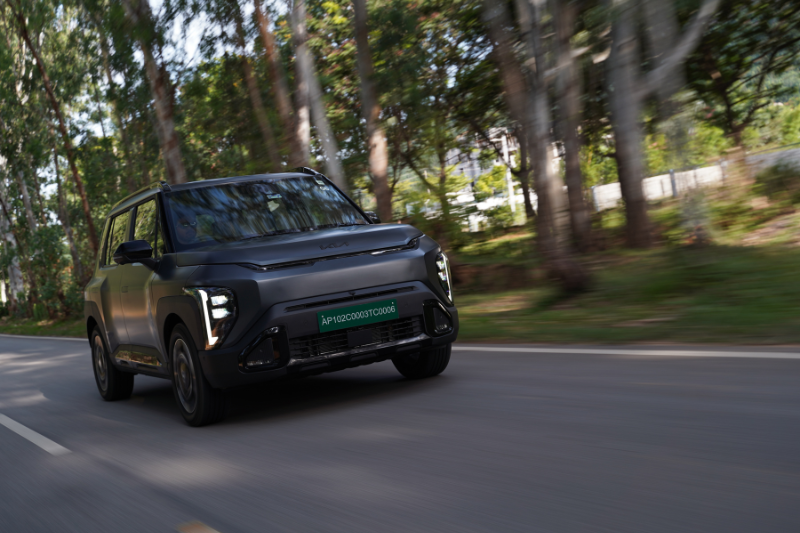
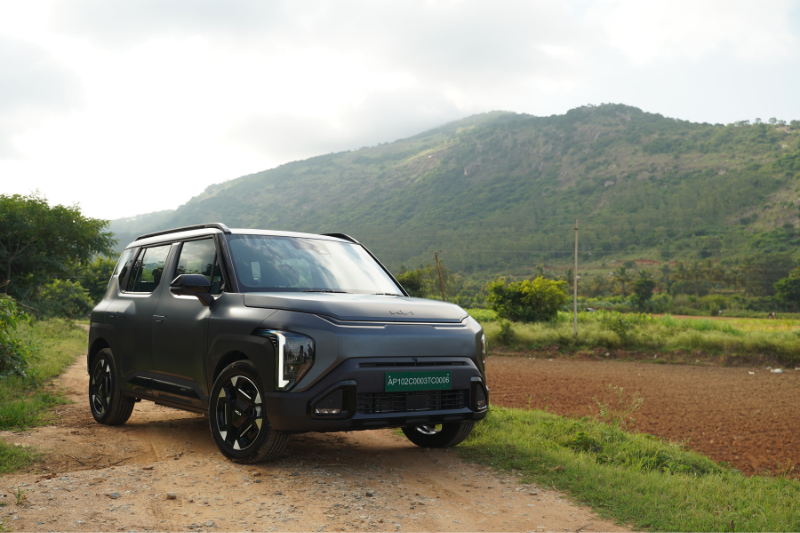
A compact crossover, the Kia Syros EV aims to take on the competition. We drove it around Nandi Hills near Bengaluru to find out if it has what it takes.
Story: Salman Bargir
Photography: Chirayu Gijare
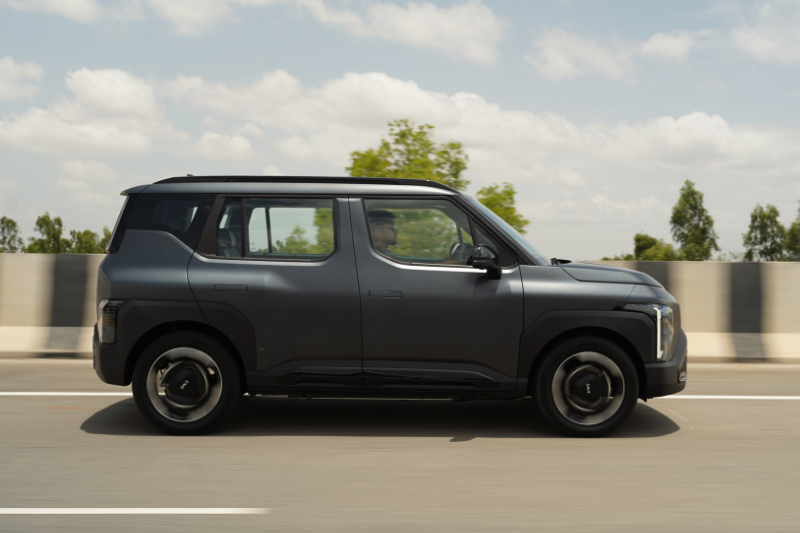
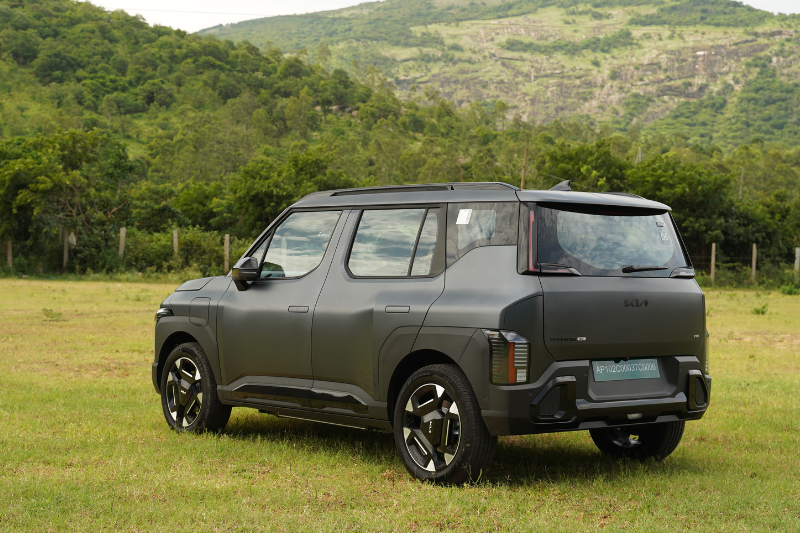
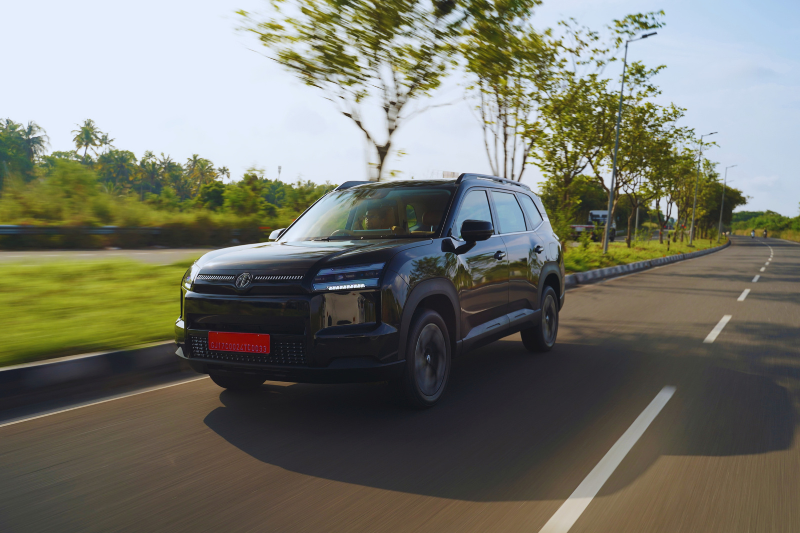
Most of us know the idiom, “Don’t judge a book by its cover,” and some have learnt it the hard way. I believe that’s exactly how things should be: substance over form. That saying perfectly sums up the Kia Syros EV. Its boxy proportions and polarising design may not appeal to everyone, but those very proportions enable it to offer much of what makes it stand out.
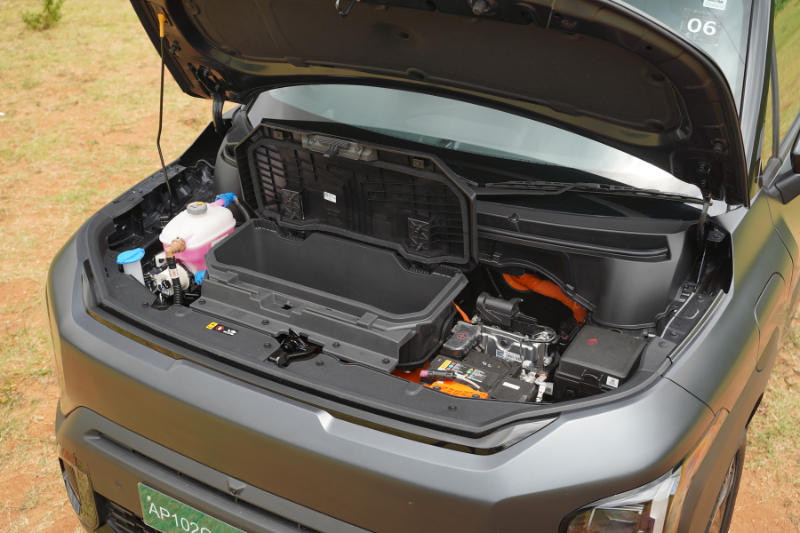
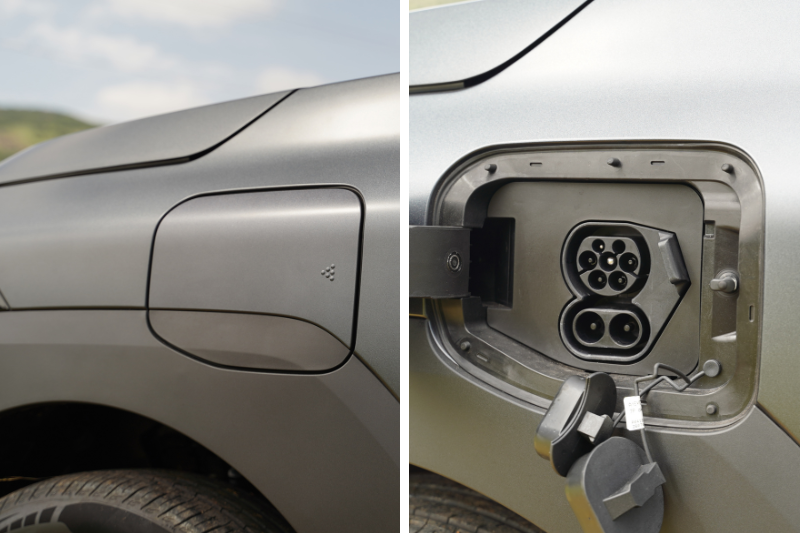
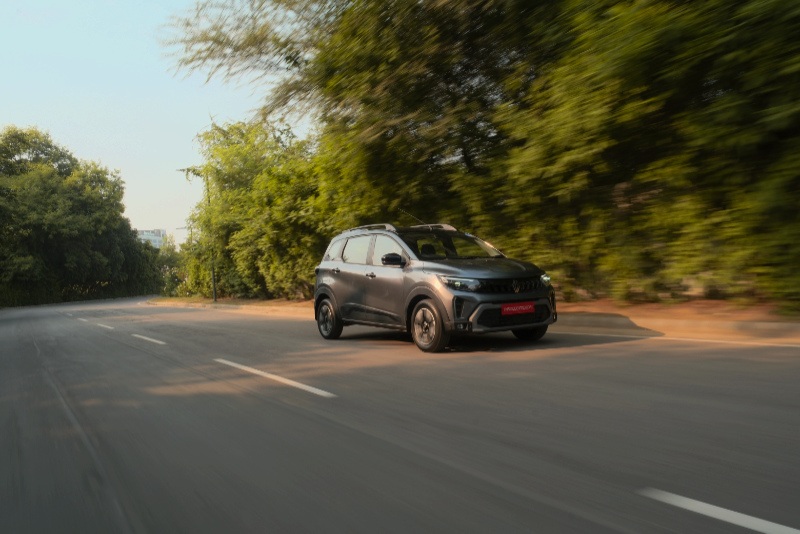
Although the green number plate on this top-spec X-Line trim in Xclusive Matte Graphite is the easiest way to differentiate it from its Internal Combustion Engine (ICE) sibling, up front, the Syros EV is distinguished by a smaller intake above the number plate. Along the sides, it gets roof rail garnish and new, flatter 17-inch dual-tone diamond-cut aero-optimised alloy wheels. The CCS2 charging port, located on the left front fender, also supports Vehicle-to-Load (V2L) functionality for powering compatible EVs and devices. At the rear, an EV badge, redesigned bumper, and the absence of a tailpipe set it apart.
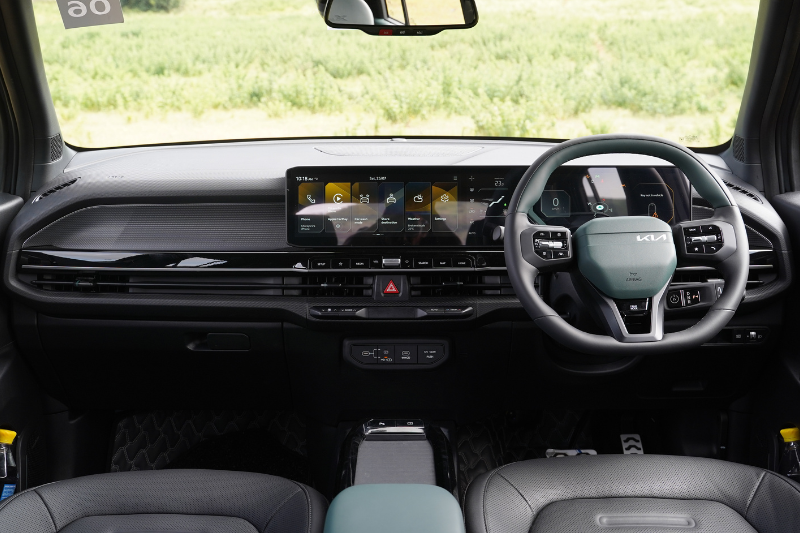
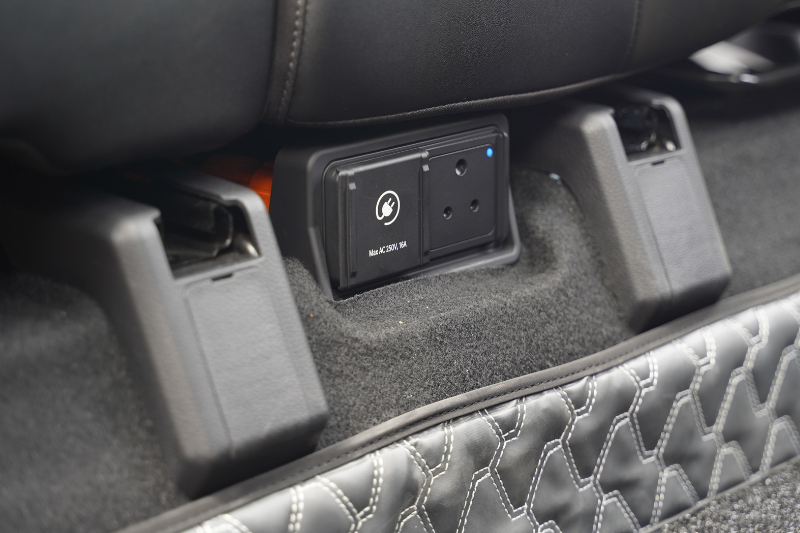
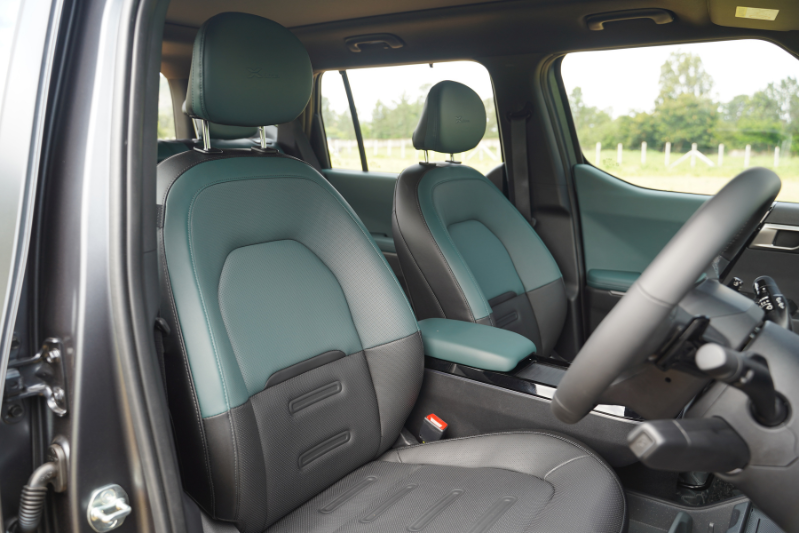
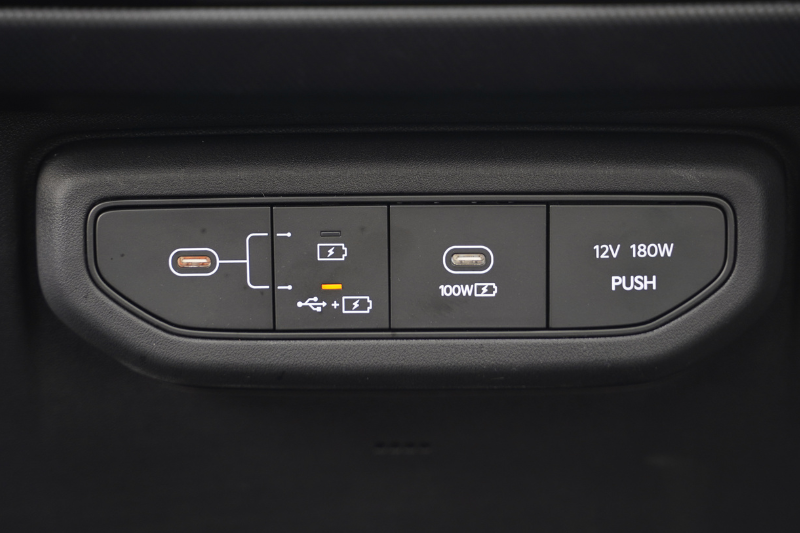
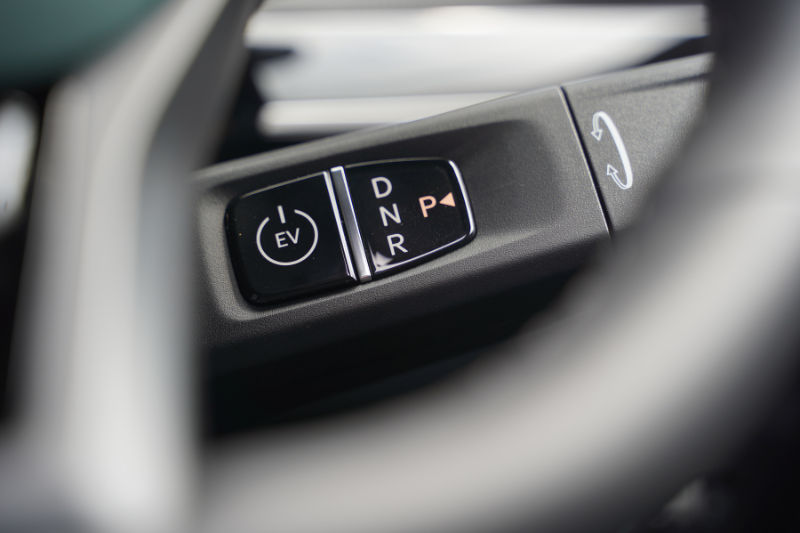
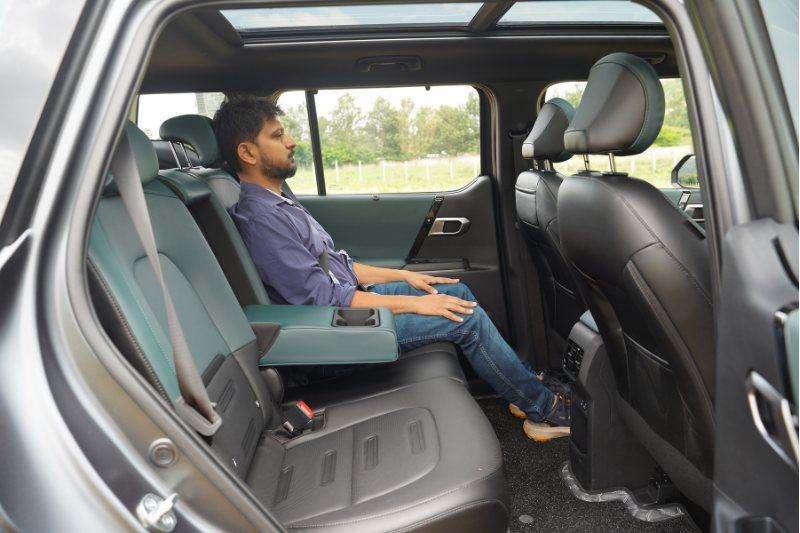
Inside, the Syros EV gets new black-and-green upholstery and a sporty three-spoke steering wheel. A floating centre console integrates storage and an armrest, while the column-mounted gear selector which has freed up additional space is intuitive to use. A 3.6-kW three-pin socket beneath the rear seat can power or charge devices such as a laptop, mini refrigerator, induction plate, or compatible camping equipment. The rear seats retain their ventilation, recline, and slide functions, allowing buyers to prioritise either comfort or luggage space. Up front, a rare 100-W Type-C USB port can power a performance laptop or portable gaming console. Other notable features include a panoramic sunroof, ventilated front seats, a powered driver’s seat, and the same triple-screen dashboard layout as the ICE Syros.
The show starter, of course, is the powertrain. We drove the 126-kW (171-hp), 255-Nm motor paired with the larger 51.4-kWh battery pack. It is smooth, silent, and delivers strong, linear acceleration, with the instant torque propelling the Syros EV forward effortlessly. There are three levels of regenerative braking, with Levels 1 and 2 offering a favourable experience for me. Level 3 felt a bit too aggressive, as I rather prefer momentum driving.
Another highlight is the reworked suspension, which performs impressively. Whether cruising on highways, tackling broken roads, attacking the hairpins of Nandi Hills, or venturing onto rough tracks beside a water canal, the Syros EV remains composed. Striking a fine balance between comfort and sportiness, the setup encourages spirited driving while delivering a compliant ride.
Over the course of our drive, we covered 112 kilometres and used 31 per cent of the battery’s charge, indicating a real-world range of around 360 km on a full charge. That’s impressive considering the drive included both spirited and relaxed driving, without any attempt to maximise efficiency. Three drive modes; Eco, Normal, and Sport, are selected via a button on the new three-spoke steering wheel, which feels great to hold. Eco mode is more than sufficient for daily driving, while Normal offers quicker responses for overtakes or a more engaging drive. Sport, meanwhile, is potent for such an understated-looking car, and inexperienced drivers may find its instant front-wheel-driven torque a bit overwhelming.
But that is taken care of via the all-wheel discs if need be. The brakes are well calibrated for the added weight of the batteries, with the pedal feel and modulation just right for someone who wants it easy going and not aggressive. The drive is further supplemented by the tyres that offered good grip on the fast hairpins of Nandi hills. Yes, there is some body roll and understeer when going fast at those sharp corners, but that is not what this car is meant to do and yet it still does it pretty well.
Further, Kia claims a 0 to 100 km/h time of 8.1 seconds, and our informal test came remarkably close to that figure. While I did get to try the smart digital key card, I couldn’t evaluate the DC fast-charging capability, Smart Cruise Control, or the full suite of connectivity and ADAS features. Those are among aspects I’d like to explore in greater detail during a longer road test.
Blending comfort with driving enjoyment, the Kia Syros EV isn’t just an electric version of the standard car. It is well engineered, generously equipped, and stands out as a strong all-rounder in its segment.
Starting at ₹7.99 lakh under the Battery-as-a-Service plan, backed by an assured buyback programme and a 15-year warranty for the first owner, the Syros EV makes a compelling case. And for those who don’t want to learn the meaning of “don’t judge a book by its cover” the hard way, it is well worth a test drive.








Leave a Reply