


The seven-seat EV claims a range of up to 640 kilometres
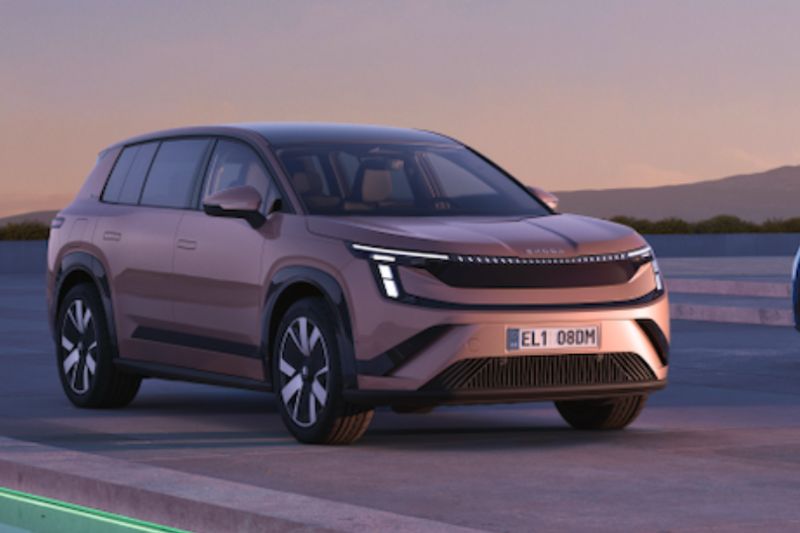
Škoda has unveiled its all-new electric SUV, the Peaq, marking one of the brand’s most significant global product introductions in recent years. The three-row electric SUV, measuring 4.87 metres in length, with a wheelbase close to three metres, will sit above the Kodiaq in size and positioning, as a premium family-focused EV that could eventually be evaluated for the Indian market as part of the Volkswagen Group’s broader electrification strategy.
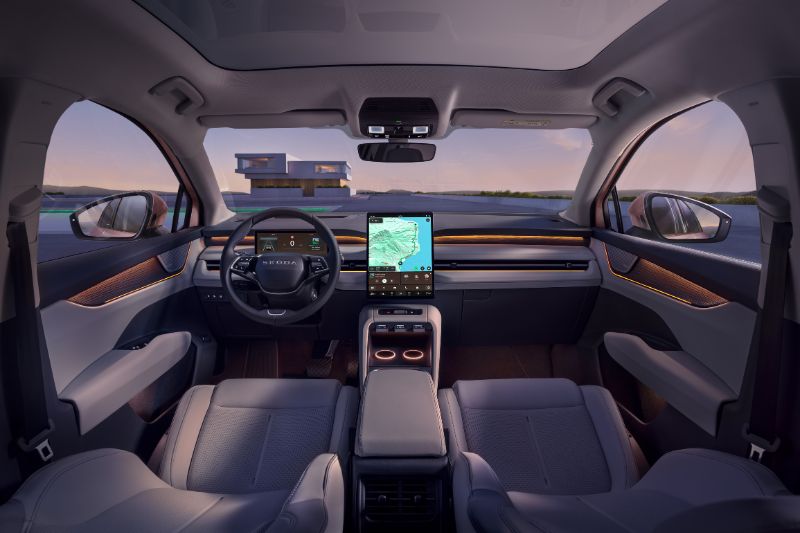
Derived from the VW’s Vision 7S concept philosophy, the Peaq uses the brand’s “Modern Solid” design language, defined by minimalism and clean lines, with both the head- and tail-lights featuring the new T-shaped signature. The Peaq is the first model in Škoda’s history to include a panoramic roof–the brand’s largest–with Dynamic Shade Control, and also the first to integrate flush door handles, signalling a shift towards more futuristic, technology-led designs.
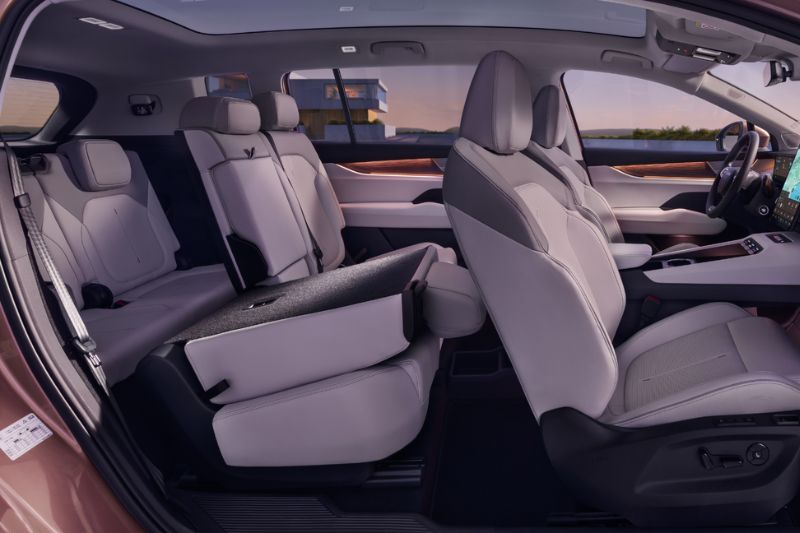
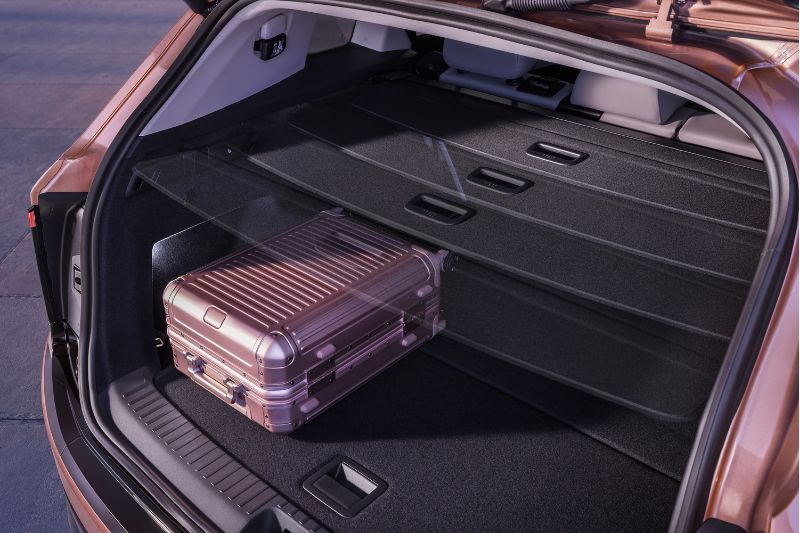
On the inside, the Peaq offers a spacious, lounge-like feel, providing exceptional comfort for up to seven people. In the five-seat configuration, it combines this generous cabin space with the largest boot of any Škoda model, offering 935 litres of capacity, while a 37-litre frunk provides additional storage. The optional Relax Package further enhances the onboard lounge experience with front seats featuring ventilation and massage function, ergonomic legrests, premium sound experience by Sonos, and an integrated wellbeing app.
The Peaq is available with two battery capacities, 63 kWh and 91 kWh, the latter being the largest-capacity battery on any Škoda electric vehicle yet, and offering a WLTP driving range figure of up to 640 km, making it competitive with global three-row EVs. Fast-charging capability is expected to support DC charging speeds of up to around 200 kW, allowing a 10–80 per cent charge in under 30 minutes, albeit under optimal conditions. The Peaq also supports bidirectional charging, allowing energy stored in the battery to be used outside the vehicle.
In terms of powertrain, it gets three variants sporting both rear-wheel-drive single-motor and all-wheel-drive dual-motor variants, with outputs likely ranging from around 150 kW (204 hp) in base configurations to up to 220 kW (300 hp) in the higher variants.
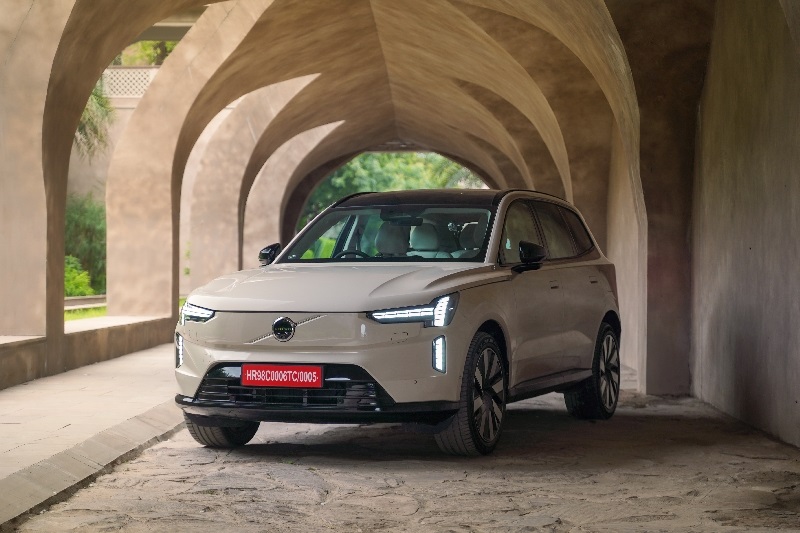
In the Indian context, the Peaq will likely be launched here as a CBU rather than a locally manufactured product. That said, considering its proportions and specifications it’ll compete with global offerings like the Kia EV9 and Volvo EX90. Nevertheless, the Peaq’s combination of long range, high power output, and flexible seating layout would be particularly relevant, as large SUVs continue to be favoured for both family and chauffeur-driven usage.
Summing up, despite its strong performance, practicality and features, the Škoda Peaq’s success will ultimately depend on its pricing strategy, charging infrastructure readiness, and the brand’s ability to localise features for Indian driving conditions.









Leave a Reply