


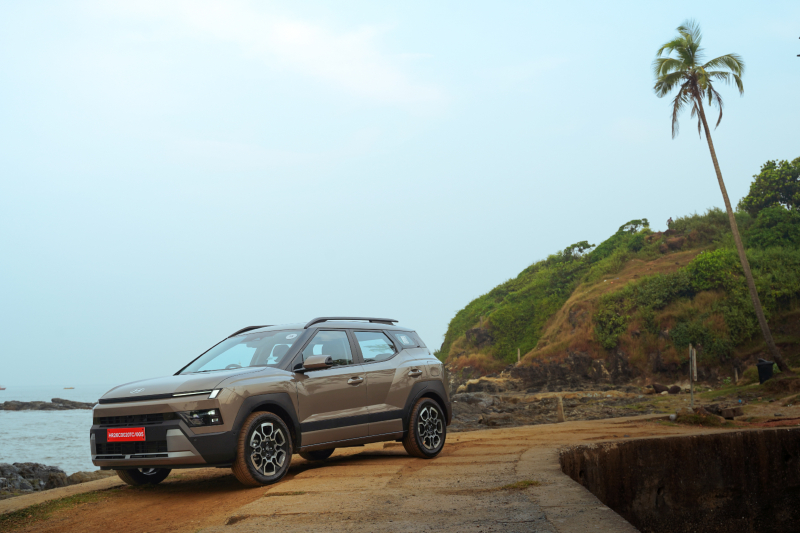
Does the Hyundai Bayon really have a place in a segment that already has a successful formula through the Creta? We sampled it in Goa to find out
Story: Gaurav Davare
Photography: Chirayu Gijare
It’s a well-known fact that the mid-size SUV segment has become quite a contested playground in recent times with a plethora of options, each with their own unique strengths and weaknesses. Through all this, Hyundai has stood out strong with the Creta being their consistent formula for success. So what’s the South Korean carmaker’s latest move? Intriguingly, they introduce another player in this space with the Bayon.
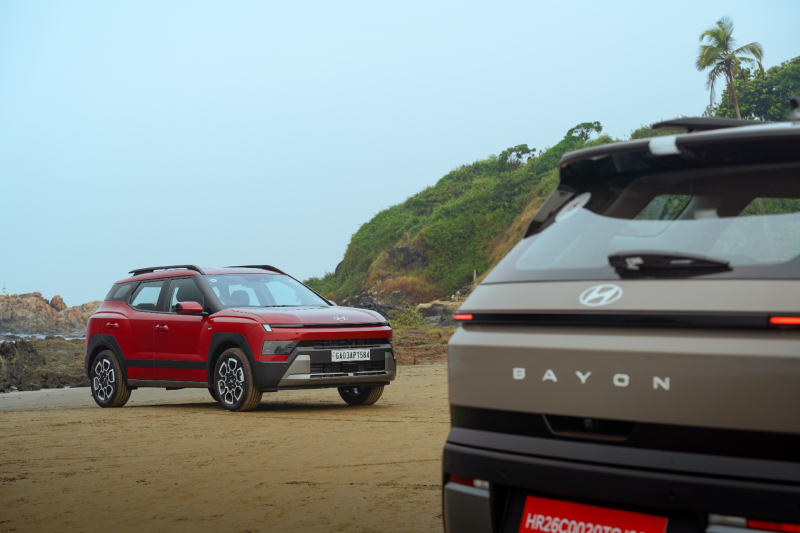
The obvious pressing question to many eyeing a mid-size SUV is why is there another player from Hyundai when there’s already a successful formula? Can the Bayon really make a splash without essentially cannibalising the Creta? We got the chance to spend some quality time with it around the popular tropical holiday Indian destination that is Goa.
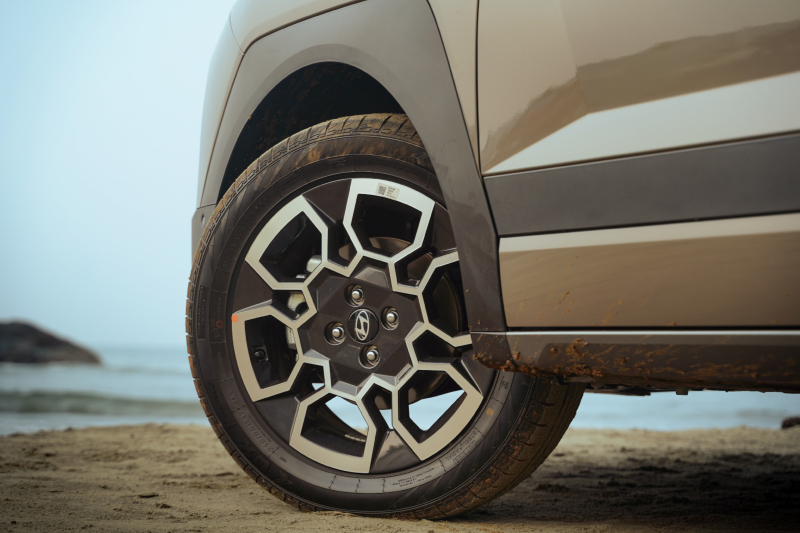
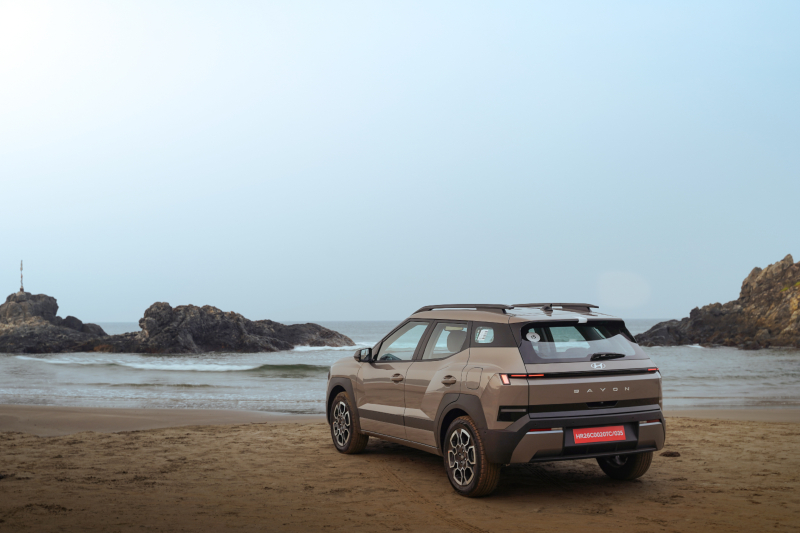
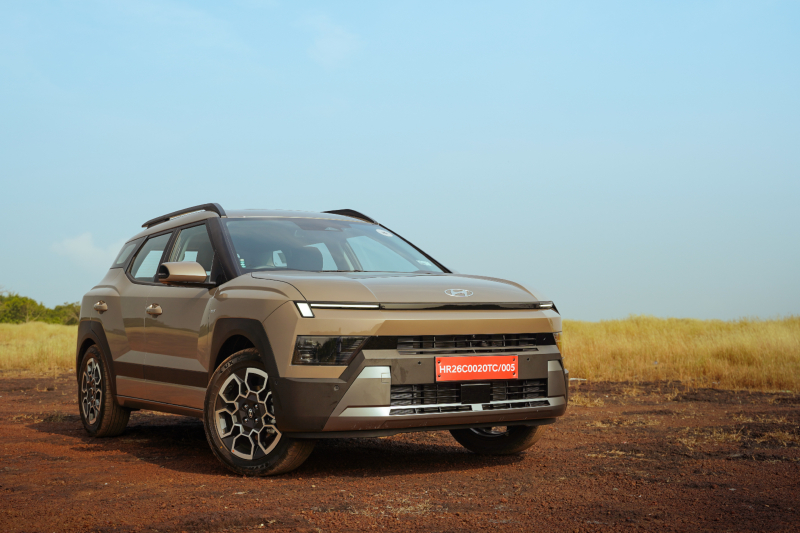
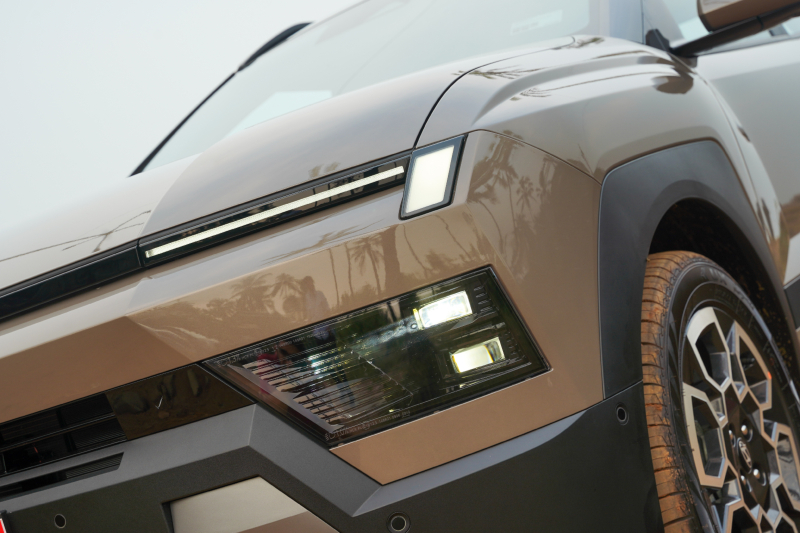
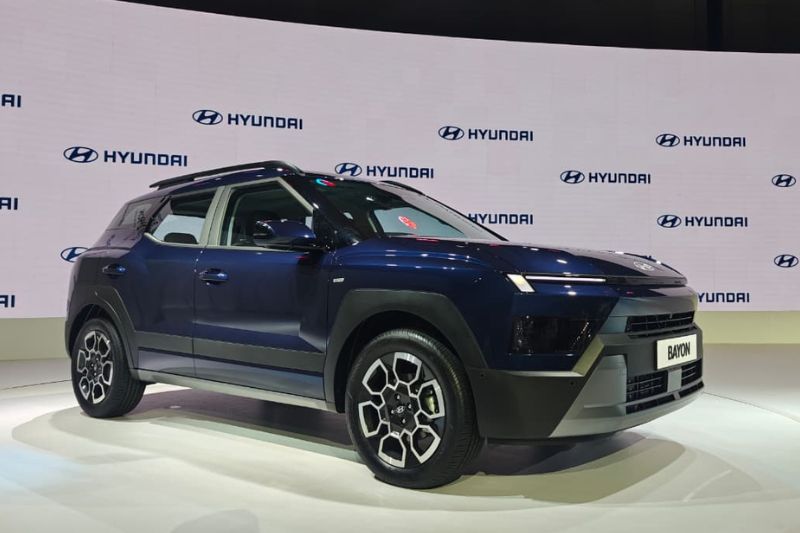
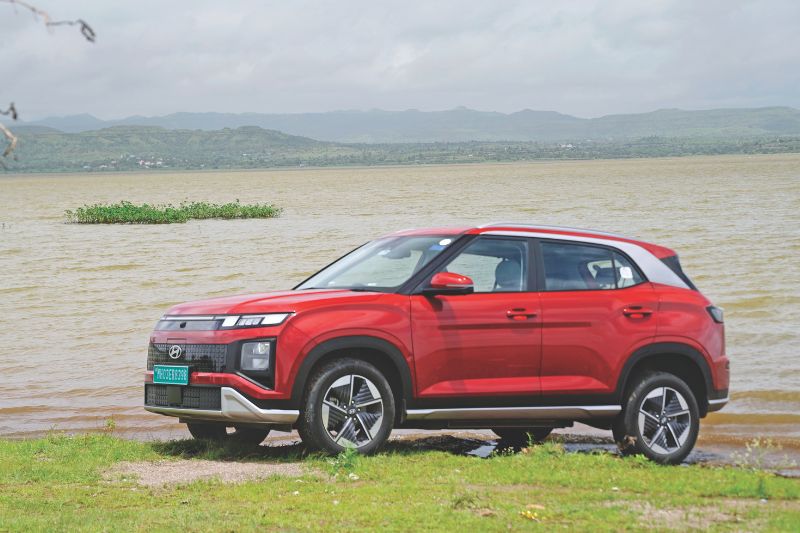
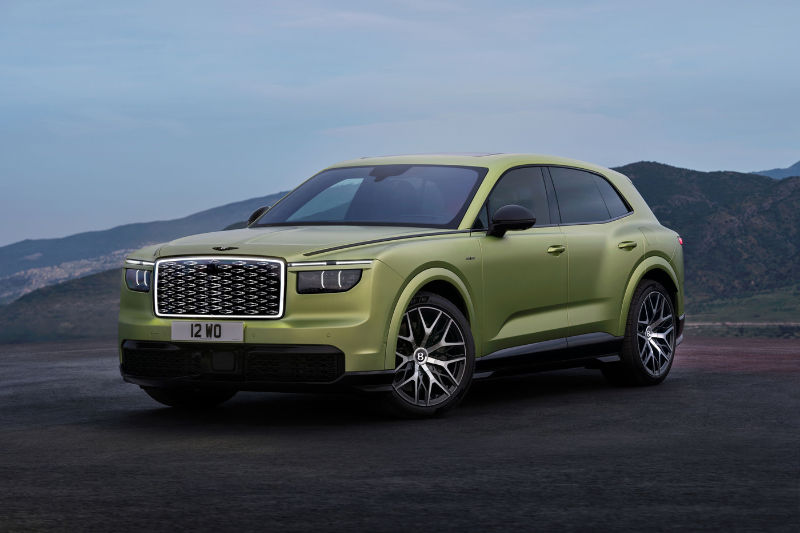
First impressions are everything, especially when it comes to standing out as a mid-size SUV, and it’s safe to say the Hyundai Bayon passes that test with flying colours, courtesy of quite a muscular design philosophy. If you’re finding similarities to the recently unveiled next-gen Tucson, you’re not wrong as both SUVs follow the carmaker’s new ‘Art of Steel’ philosophy. This is very much apparent with its sculpted bonnet, H-Edge LED daytime running lights are paired with dual LED projector headlights, and a chunky front bumper. This bold persona is further accentuated from the side profile as there are some strong character lines, sporty roof rails and properly pronounced wheel arches, with the 17-inch petal-style alloy wheels being the cherry on top. Rounding things off are the similar H-Edge LED tail lamps and roof spoiler, to give the Bayon a fresh perspective on what a Hyundai mid-size SUV looks like.
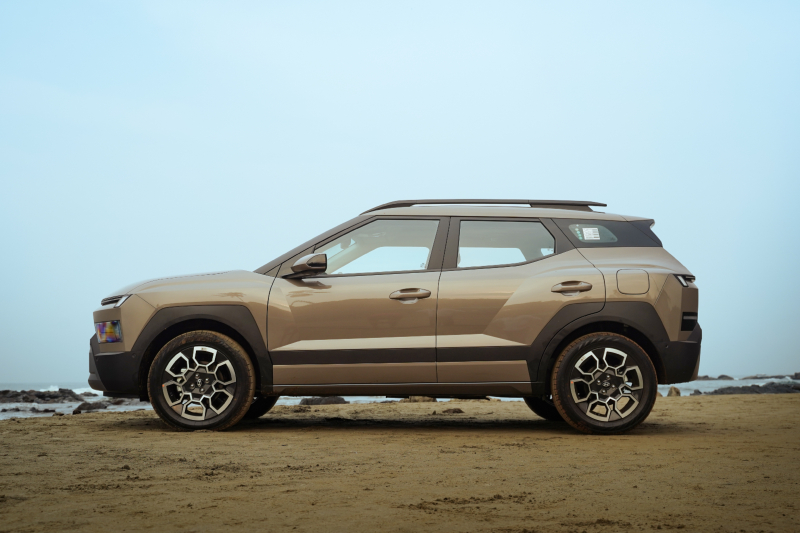
Being 4,245 mm long, 1,810 mm wide, 1,605 mm tall, and having a wheelbase spanning 2,600 mm long, the Hyundai Bayon may be shorter in length and smaller in height to the Creta, but it is wider and the wheelbase is only 10 mm shy of the Creta, clearly maximising the dimensions for cabin space which we’ll get to soon. Interestingly, it sits 15-mm higher off the ground than the Creta with a ground clearance of 205 mm and you get smaller 17-inch alloy wheels. So even though the Bayon is positioned below the Creta, its dimensions are well within the ballpark.
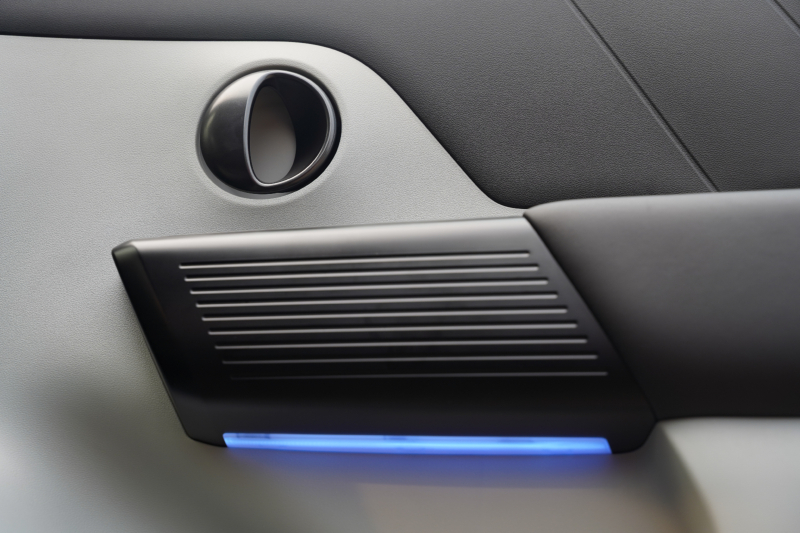
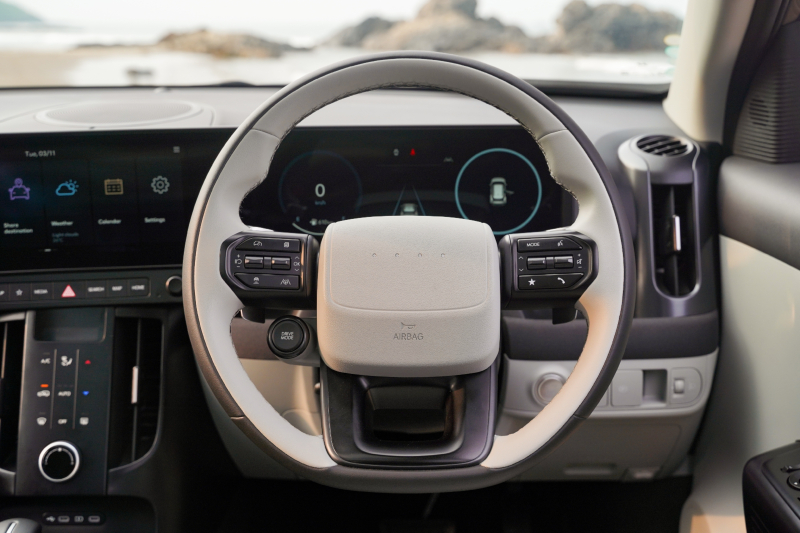
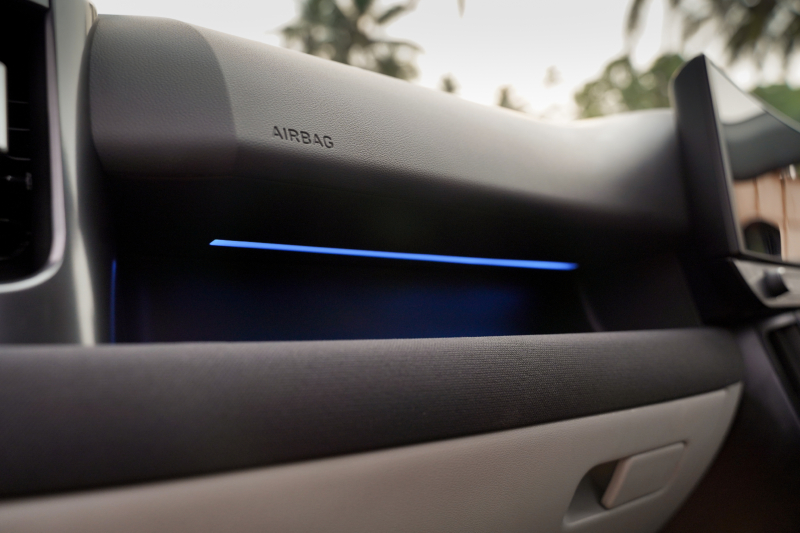
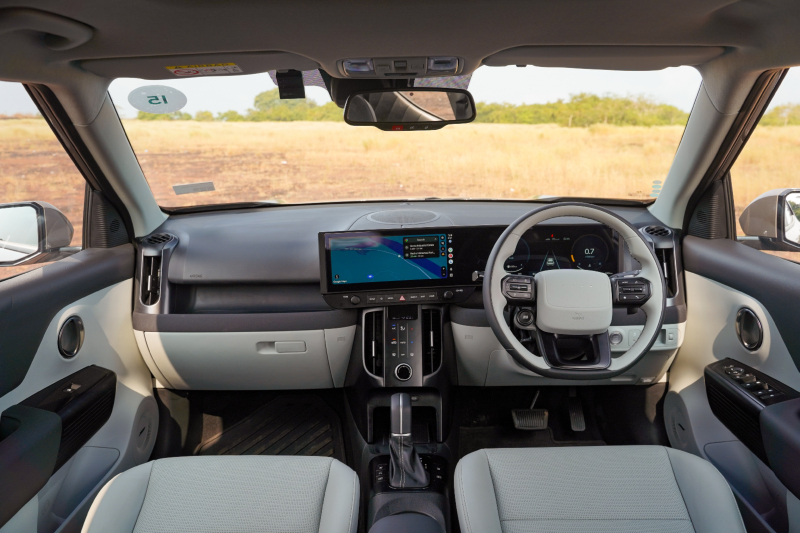
Just like how vertical is the trend while viewing social media content on our phones, the Bayon too has a vertical theme with its a-c vents and the climate control panel, although I would’ve liked some haptic feedback with the touch-based controls. That aside, you’re greeted to quite a modern, and well put together cabin layout that is ergonomically well sorted. There’s a mix of plastics, a fabric soft-touch crashpad insert and leatherette upholstery, all of which have an impressive level of fit-and-finish that looks and feels very premium. While you get a dual-tone Black and Olive Grey theme, you can opt for an all-black theme albeit it’s only limited to dual-tone exterior shades. Let’s not forget the chunky, and lovely to operate, multi-spoke steering wheel with four dots being Morse Code for Hyundai’s “‘H.’ To nicely round things off inside, there’s a great dose of physical controls covering all the important car functions and they’re ergonomically well-placed.
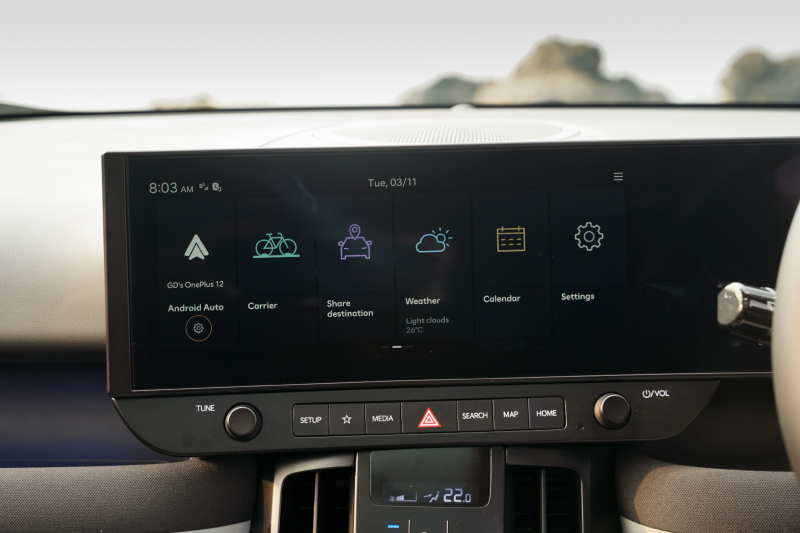
The biggest talking point in the Bayon is the features package and typical of Hyundai, it’s quite loaded. There’s dual 12.3-inch displays for infotainment and driver instrumentation which are larger than the Creta, nicely integrated in a panoramic view, and the UI is modern and slick to operate without needing to dive into submenus for important functions. Also, unlike the Creta you don’t need an adapter to access wireless Android Auto or Apple CarPlay functionality.
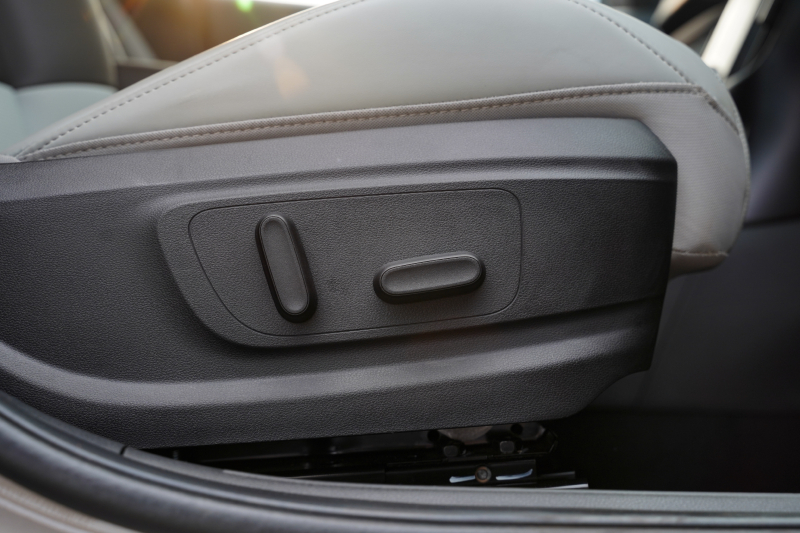
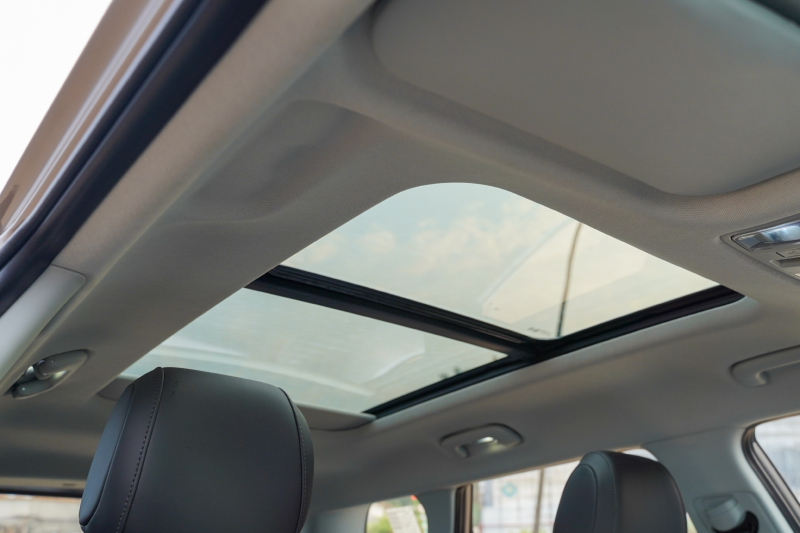
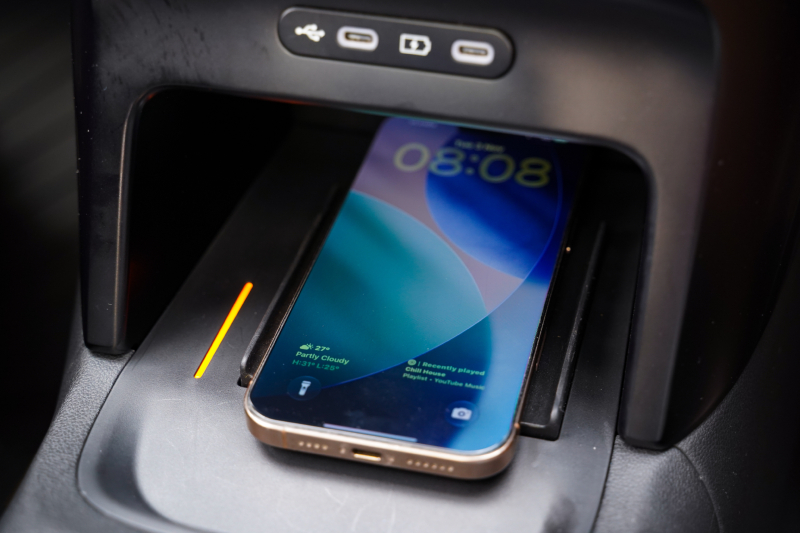
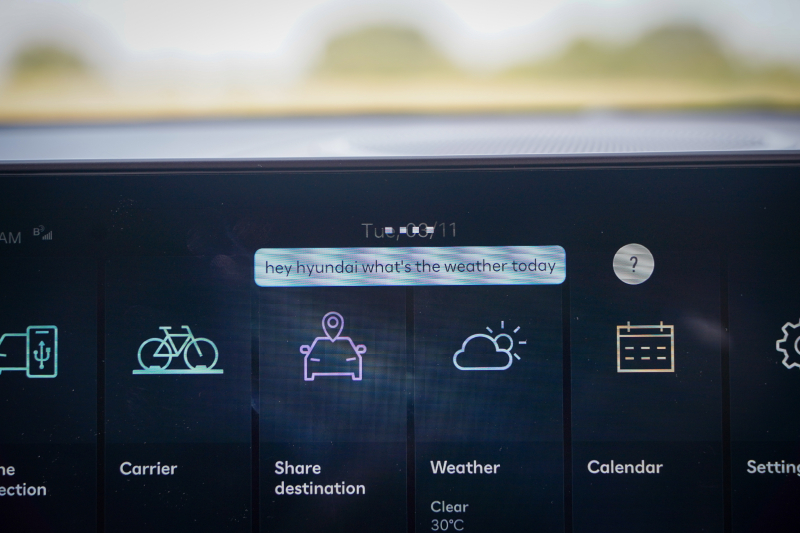
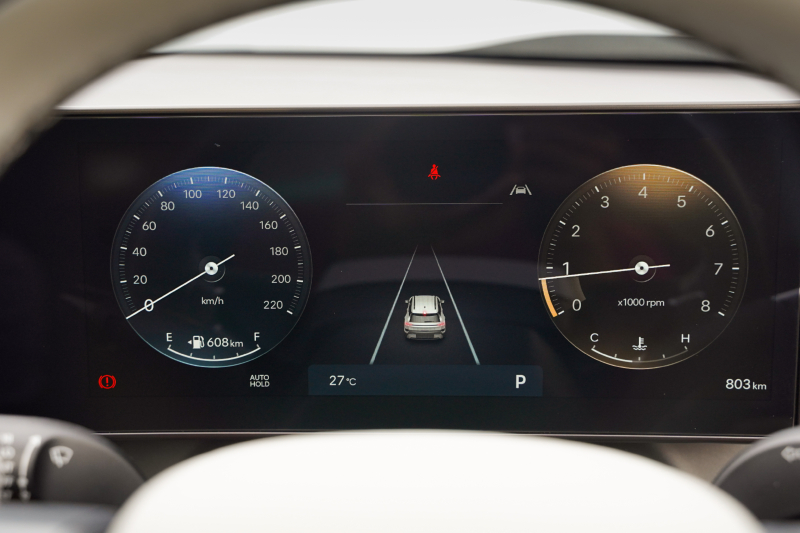
Apart from this there are ventilated front seats, an eight-way electrically adjustable driver’s seat with a memory function, automatic climate control, rear a-c vents, a dual-pane panoramic sunroof, a wireless smartphone charging pad, 360-degree surround-view camera, Type-C USB charging ports, as well as an eight-speaker Bose audio system that will soothe the audiophiles. A crucial tech gain over the Creta is the Bayon being the first Hyundai model in India to feature a generative AI voice assistant, incorporating Intelligence by Perplexity and voice AI powered by SoundHound AI. Essentially it allows for more human-like interactions with the car, and after a few tests, it really does work; which nails the brief.
That being said, there are some convenience misses which include rear sunshades, a powered co-driver’s seat, wireless phone charging pad for the rear seat occupants, a powered boss mode, an air purifier and a cooled glovebox, all of which are there in the Creta. But frankly I feel these aren’t really deal breakers and most will be able to accept this compromise. Also, the camera resolution has room for improvement.
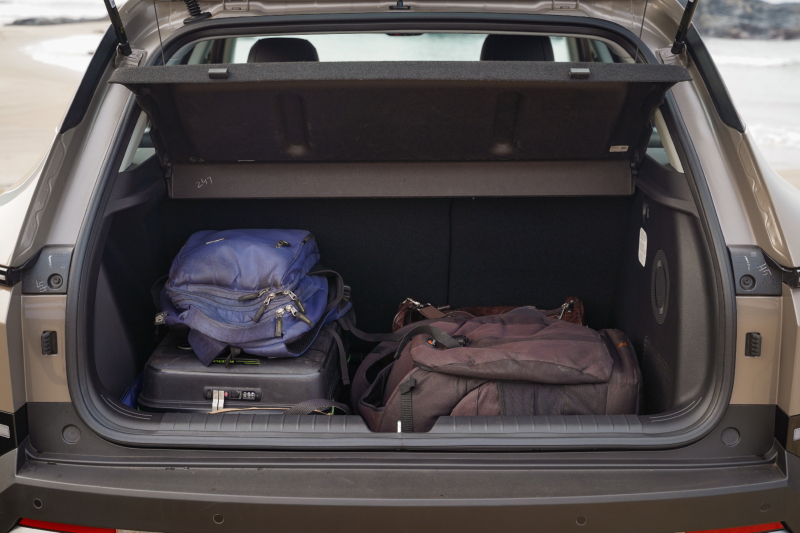
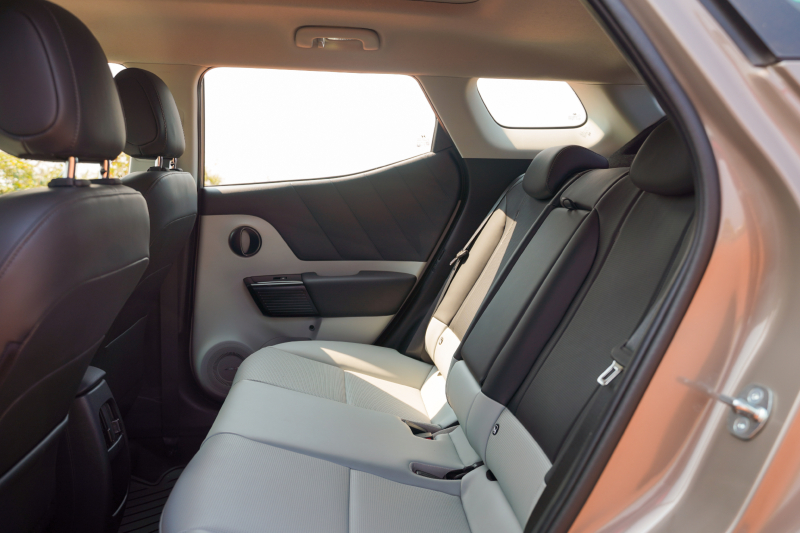
The mid-size SUV experience isn’t complete without being a comfortable place to be seated in, and the Bayon nails that brief. The seats are very comfortable to the point where there’s a fine balance of bolstering that is comfortable enough to be nicely tucked in and be seated for hours and cushioning that is firm enough to avoid sinking into the seat. This is apparent even for the rear seats where I have decent leg room, knee room and headroom with me being five-foot, and eight inches tall. It’s enough to seat two adults comfortably with two levels of recline angle, while fitting in a third person may lead to a little discomfort. Interestingly, despite its smaller dimensions, the Bayon gains in practicality with a 505-litre boot capacity, 72 litres more than the Creta.
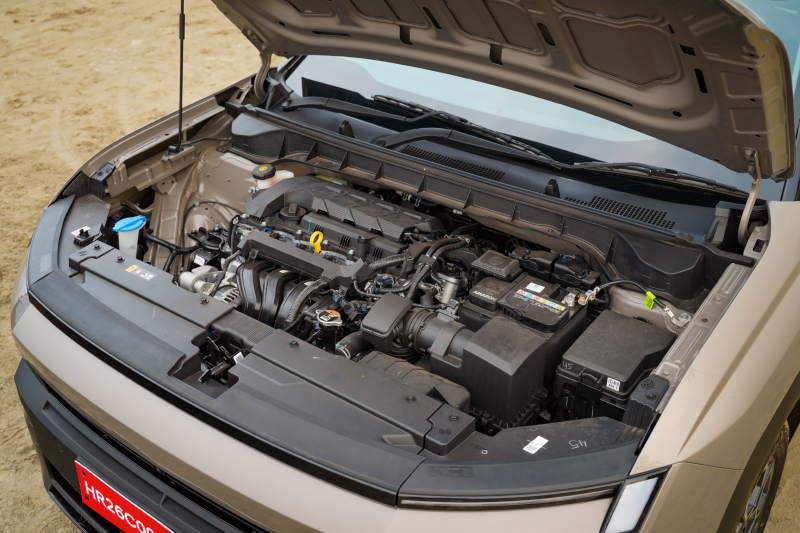
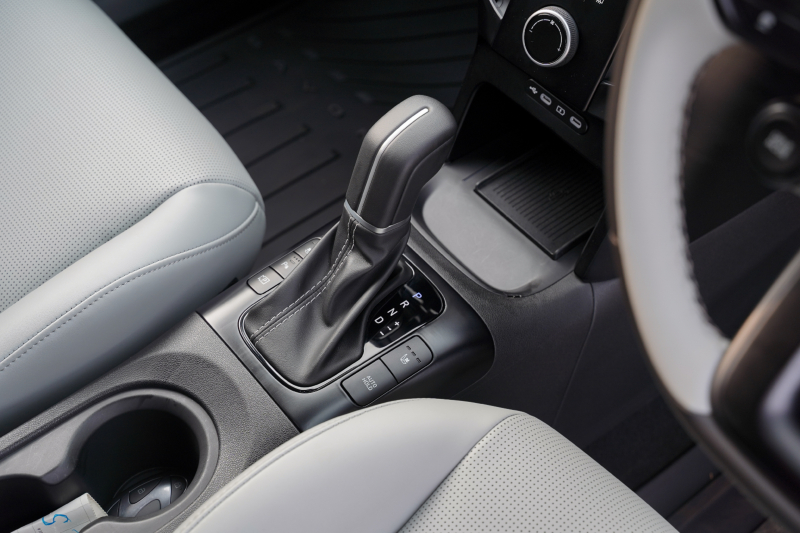
Mechanically, even though the Hyundai Bayon shares a heart with the Creta, there’s one key difference. You only get the choice of one heart in the form of a naturally aspirated 1.5-litre four-cylinder petrol engine that makes 115 hp and 144 Nm. There’s the option of either a six-speed manual or Hyundai’s Intelligent Variable Transmission (iVT), basically a CVT automatic option. We got to drive the latter. There will also be a CNG option coming in January 2027. Have the dimensional differentiators affected the Bayon’s driving dynamics compared to the Creta? Well, we had a varied mix of narrow city roads, winding passes and highway sections around Goa to test it out.
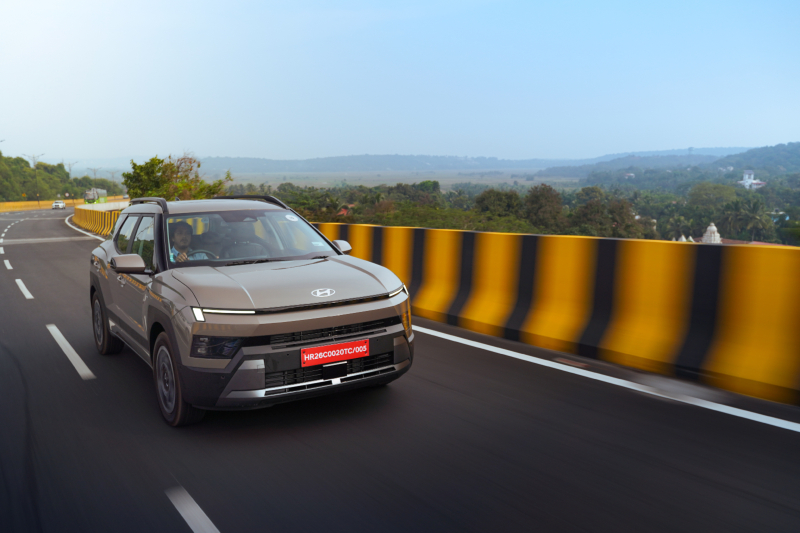
Let’s get one thing clear about this engine and CVT combination, it isn’t meant for enthusiast thrills or whopping mile-munching capabilities, although the claimed 18.6-km/l figure is impressive and you can comfortably get double-digit figures combining city and highway driving conditions. The true purpose of this combination is being a workhorse that gets you from point A to B without any hassle and the Bayon does that well. I was quite impressed with the creamy smooth refinement and delivery, be it driving sedately or asking for some performance from it. It’s exactly what you need for city driving.
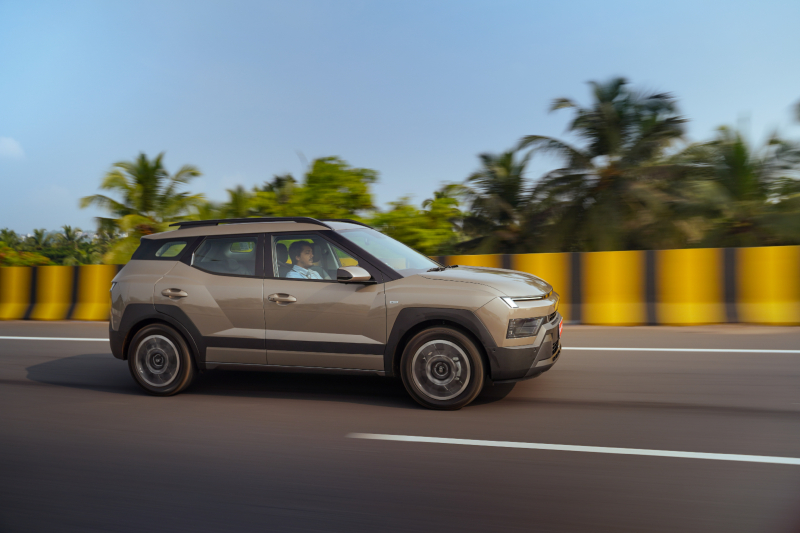
Now this isn’t an enthusiastic combination, but that doesn’t mean you can’t have a bit of fun if you ask for it and the Dash Boost function ironically makes the CVT not perform like a CVT. Basically, you have the Eco, Normal and Sport drive modes, and Dash Boost works with the Normal mode where if you’re aggressive on the throttle, there’s quicker response from the engine and gearbox, adding a bit of performance, with the rubber-banding effect being less pronounced. You won’t feel this significantly in a sprint from standstill, but it comes in handy while executing overtakes. Essentially, Dash Boost doesn’t make a huge difference to performance characteristics, but provides a useful helping hand if you ask of it.
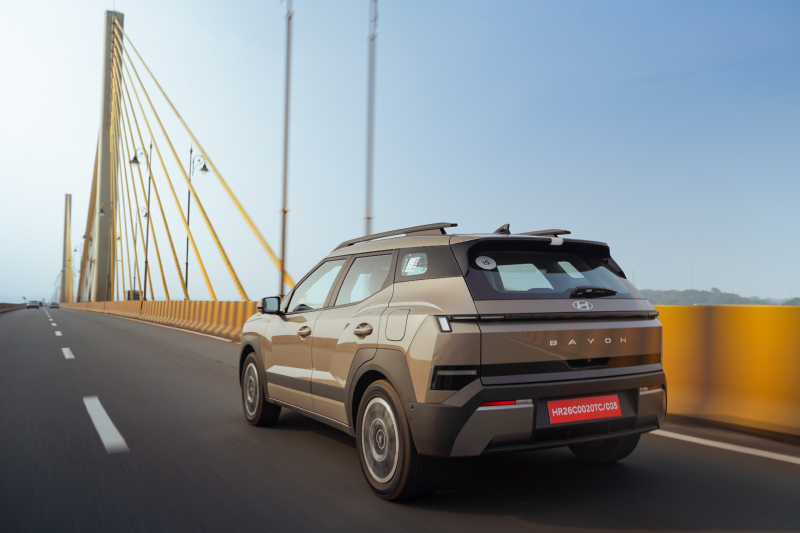
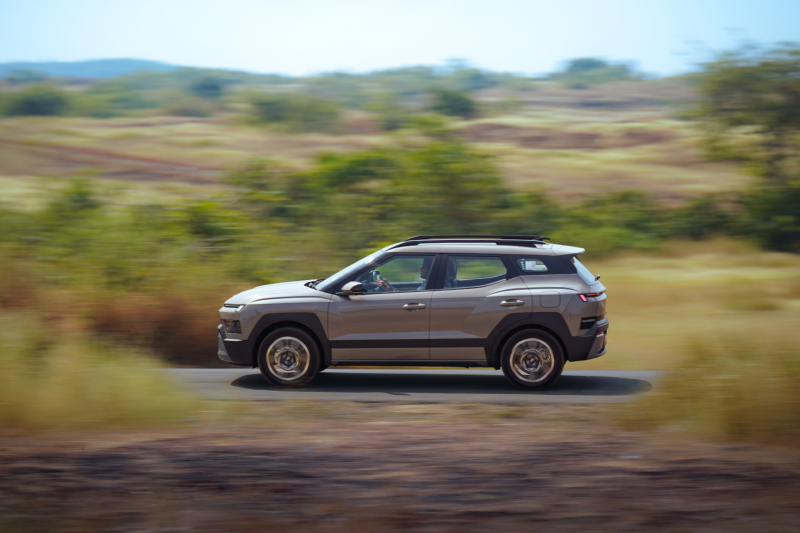
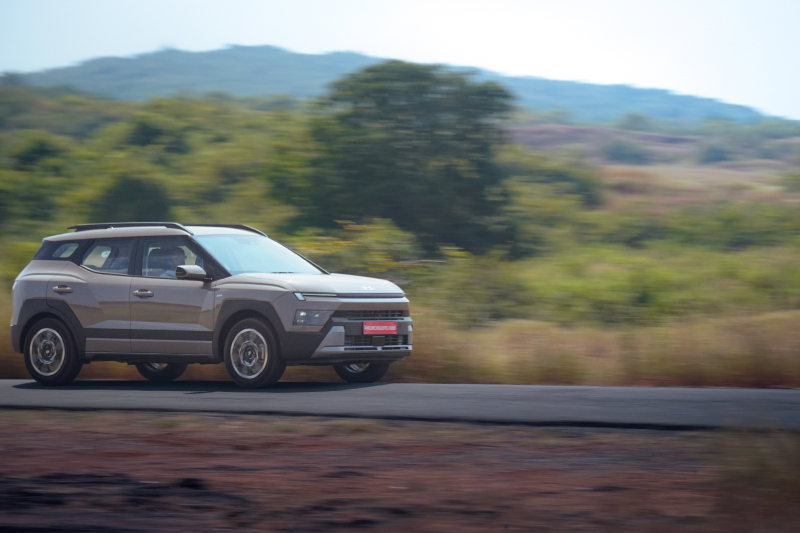
As for how it rides and handles, it’s got a European-like feeling to it, with a stiffer setup than the Creta, which gives it better on-road manners, complimented by the excellent cabin insulation that keeps most of the outside noise contained. It can take on most surfaces in a predictable and composed manner, and even if you hit a nasty bump at high speed, there’s only noise, with the jolt impressively not unsettling the SUV. Body roll is well controlled too, especially around high speed sections, and while the steering feedback is great for tight spaces, a more weighted feeling would’ve been better for quick direction changes or tackling winding corners.
Safety is another strong pillar for the Hyundai Bayon with more than 35 safety features being standard across the range and over the Creta, there’s a more enhanced Hyundai SmartSense Level 2 Pro ADAS package, where you get a map-based highway driving assist and cruise control that seemed to be well-tuned for Indian roads in our limited running with no sudden surprises.
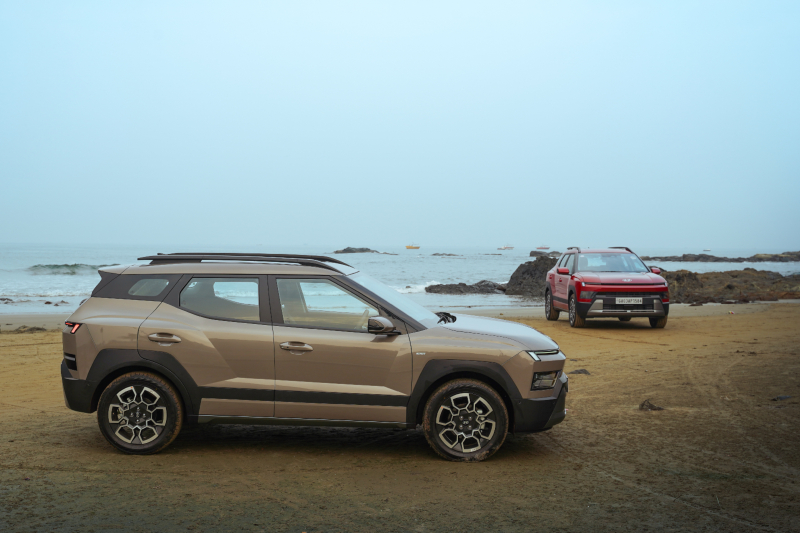
Now then, to the real purpose of the Hyundai Bayon. With prices ranging from Rs 10 lakh to Rs 18 lakh (ex-showroom), it undercuts the Creta, even when you only consider the equivalent NA petrol variants of both SUVs where the undercut can range between Rs 63,000 to Rs 91,000 depending on the variant chosen. If you want a fresh perspective on a Hyundai mid-size SUV design, better practicality, a tech focused cabin, a competitive features list and a simple workhorse of a petrol powertrain, the Bayon is an appealing choice without needing to spend Creta levels of money.
That being said, the Hyundai Creta remains the more versatile choice if you’re looking for a larger overall footprint, more convenience features as well as more performance or mile-munching capabilities via the additional choice of a turbo-petrol or diesel engine. More importantly, the Creta is also due a generation update which will make it larger, more feature packed and consequently attract a price premium. So here’s where the Bayon comes into its own.
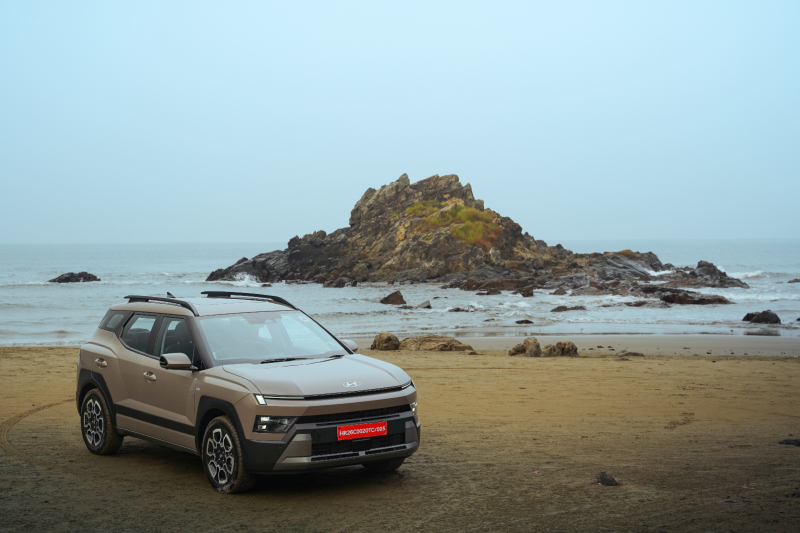
It nicely slots into the gap between the Creta and the Venue, and if you’re willing to spend a bit more over a Venue, you can get the successful Hyundai mid-size SUV formula at a relatively lower price range than the Creta. As a mid-size SUV, it is also a worthy alternative to the current Creta at its price range, being a closely matched package that can take on mid-size SUVs well within the range of the likes of the Maruti Suzuki Victoris and the Honda Elevate. So the Bayon is killing two birds with one stone.








Leave a Reply