


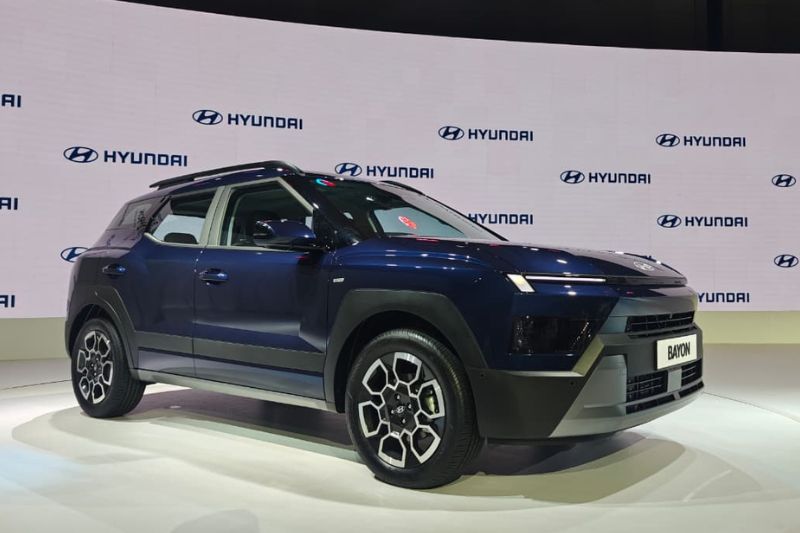
Hyundai’s all-new SUV sharpens the recipe used successfully by the Creta, adding in spice in the form of an AI assistance and a comprehensive safety suite
Hyundai Motor India has launched the new Bayon SUV, with prices starting at Rs 9.99 lakh (ex-showroom). Positioned as a technology-focused offering sitting between the Venue and the Creta, the Bayon brings together connected features, advanced safety equipment, a spacious cabin, and a familiar petrol powertrain. The model will also be exported to more than 50 international markets, further strengthening India’s role in Hyundai’s global manufacturing operations. The CNG version of the Bayon, too, is already on the cards, with the launch slated for January 2027.
Now, Hyundai says the Bayon has been developed around five key pillars: Intelligence On, Safety On, Comfort On, Performance On and Style On. Moreover, it has been built with a focus on everyday usability and technology. Here’s a closer look at what the new SUV has to offer:
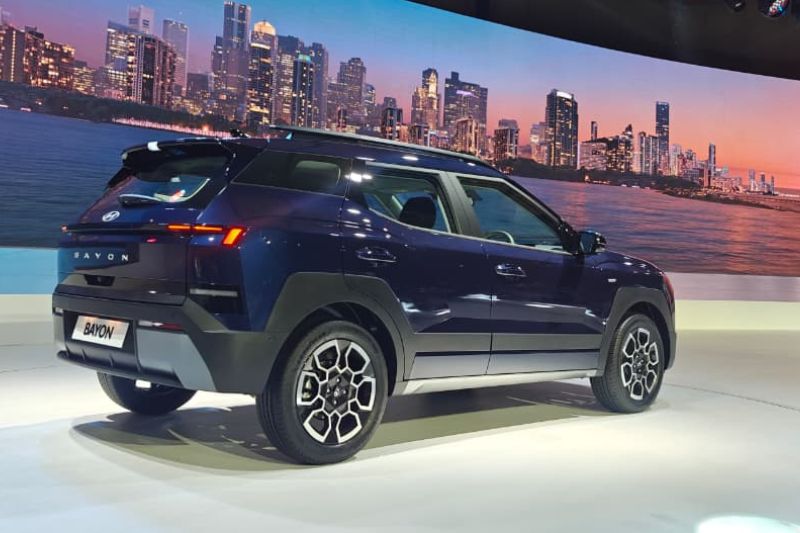
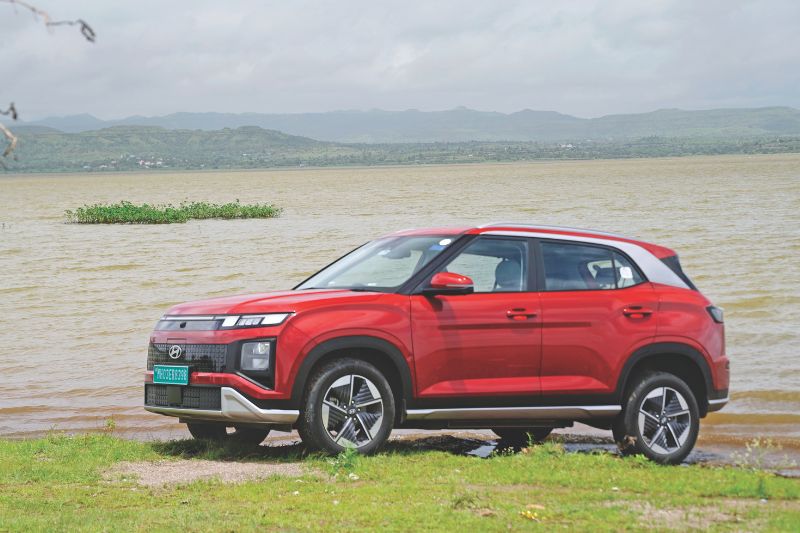
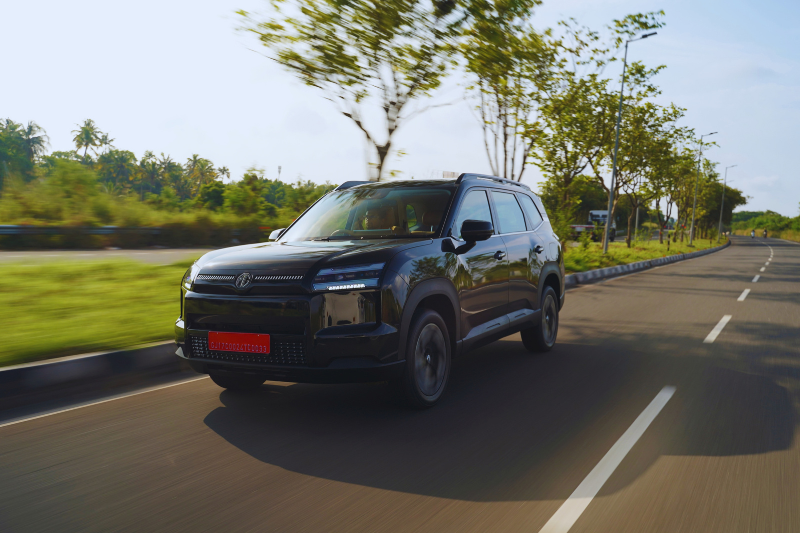
In the flesh, the Bayon adopts an upright SUV stance, with a sculpted bonnet, pronounced fenders, and a futuristic front fascia. H-Edge LED daytime running lights are paired with dual LED projector headlights, giving the front a distinctive lighting signature.
Along the sides, geometric wheel arches, wraparound door cladding and bridge-type roof rails contribute to its SUV character. The 17-inch alloys add a sporty touch, while the H-Edge LED tail lamps and roof spoiler, with the vertically positioned high-mounted stop lamp, give a stylish, modern look.
In terms of dimensions, the Bayon is 4,245-mm long, 1,810-mm tall and 1,605-mm wide, making it marginally shorter in length and height, but a bit wider than the Creta. Even its 205-mm ground clearance is 15 mm more, while the turning radius, at 5.16 metres is marginally less. All in all, then, the Bayon shall offer a combination of road presence and manoeuvrability suited to urban driving.
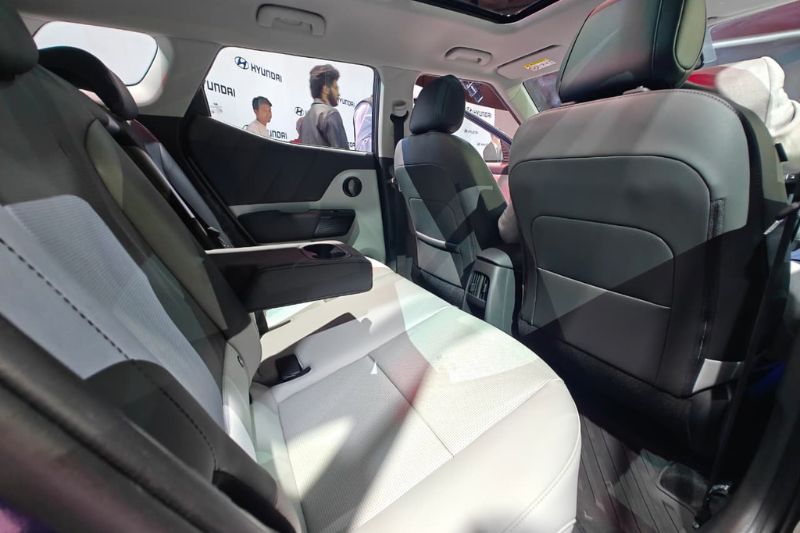
Moving to the interior, the Bayon focuses on space and convenience. A 2,600-mm wheelbase, again, is just 10 mm shorter than the Creta’s, translating to ample legroom, as well as headroom, and shoulder room for occupants in both rows. Comfort features include ventilated front seats, an eight-way electrically adjustable driver’s seat, two-step rear seat recline, and fully automatic climate control. And adding to the convenience are rear A-C vents, a panoramic sunroof, a sliding front armrest, and a rear centre armrest with cupholders.
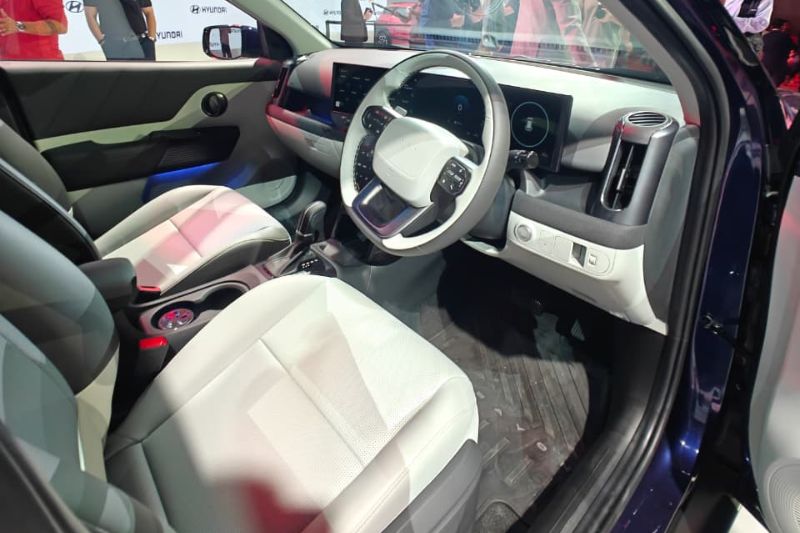
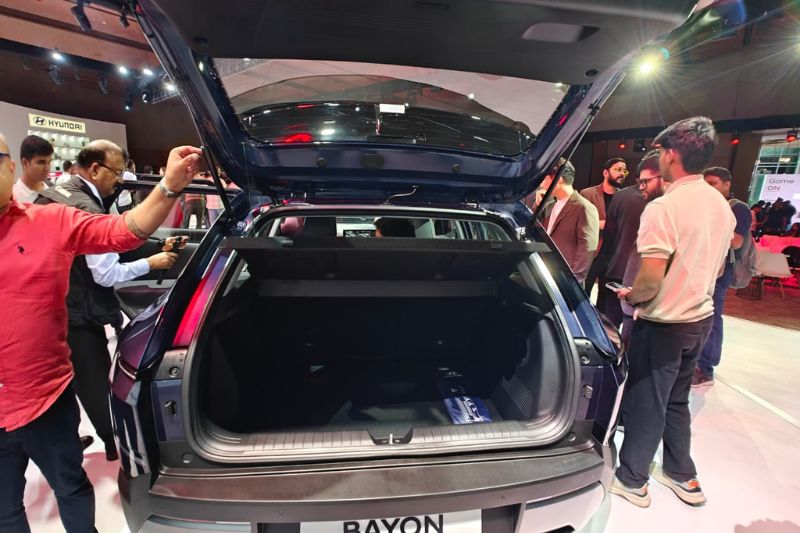
The equipment list also includes a wireless smartphone charger, Type-C USB charging ports, a smart key with push-button start and 60:40 split-folding rear seats. Boot capacity stands at 505 litres, giving the Bayon the flexibility to accommodate everyday luggage as well as bags for longer journeys.
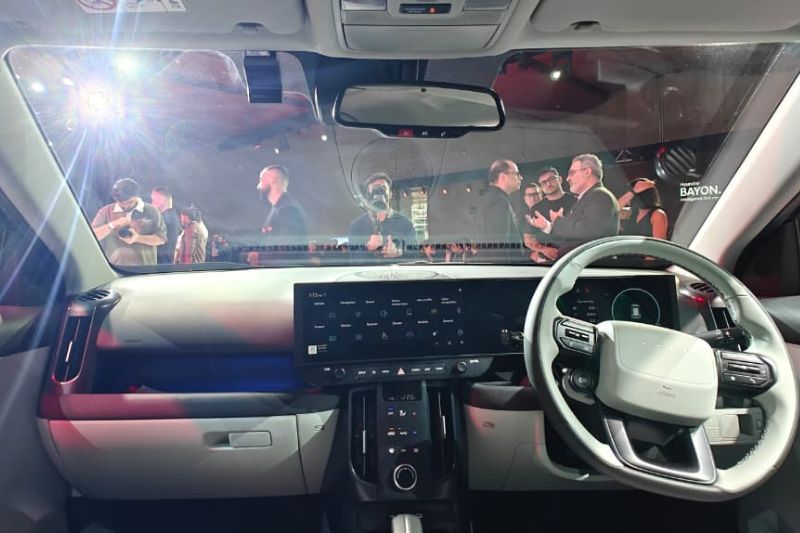
The cabin follows a dual-tone Black and Olive Grey theme, with leatherette upholstery, a soft-touch crashpad insert and ambient lighting integrated into the crashpad and door pockets. The modern centre console and dual curved displays lend the dashboard a more contemporary appearance.
The biggest talking point, however, is its technology package. It is the first Hyundai model in India to feature a generative AI voice assistant, incorporating Intelligence by Perplexity and voice AI powered by SoundHound AI. The system allows occupants to interact with the vehicle through natural conversations and access information on travel planning, weather, hotels, restaurants, news and sports.
The SUV also gets a Connected Car Navigation Cockpit accelerated by NVIDIA, paired with dual 12.3-inch displays integrated into a curved panoramic layout. The system brings together navigation, connected services, graphics and vehicle controls in a single interface.
Other features include more than 70 Hyundai Bluelink connected functions, over-the-air updates for up to 19 controllers, more than 500 embedded voice commands and support for 10 regional and two international languages. Wireless Android Auto and Apple CarPlay, a Bose premium sound system, and three years of complimentary Bluelink subscription are also part of the package.
The Hyundai Bayon is built on the Global K Enhanced Platform, with its body structure incorporating 69 per cent advanced multi-grade high-strength steel. The structure combines hot-stamped steel with ultra-high-strength, advanced-high-strength and high-strength steel to improve rigidity, crash-energy management and occupant protection. Hyundai says the SUV has been engineered for five-star Indian safety standards.
The Bayon comes with more than 80 safety features, including Hyundai SmartSense Level 2 Pro ADAS with 23 driver assistance functions. The system uses three radars and 12 parking sensors, along with camera and navigation-based technologies, to assist the driver in a range of driving conditions.
Key features include Highway Driving Assist, navigation-based Smart Cruise Control with Zone and Curve functions, a Surround View Monitor, a Blind-spot View Monitor and all-wheel disc brakes.
More than 35 safety features are offered as standard across the range. These include six airbags, Electronic Stability Control, Hill-start Assist Control, a roll-over sensor and a high-line Tyre Pressure Monitoring System. The extensive standard equipment means that essential safety features are not restricted to the higher variants.
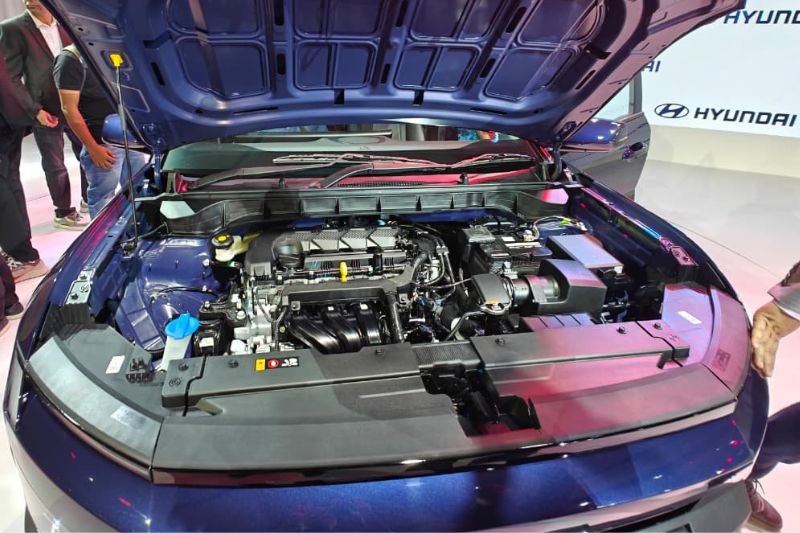
Power comes from Hyundai’s naturally aspirated 1.5-litre four-cylinder petrol engine, the same as on the Creta, producing a similar 115 hp and 143.8 Nm. Buyers can choose between a six-speed manual gearbox and Hyundai’s Intelligent Variable Transmission (iVT), with the latter offering a claimed 18.6 km/l, and getting “Dash Boost” mode for easier overtaking. Also on offer are Eco, Normal and Sport drive modes, via steering-mounted controls, while paddle shifters add another layer of driver involvement.
Summing up, the Hyundai Bayon brings together a broad technology package, Level 2 Pro ADAS, a spacious cabin, and a 1.5-litre petrol engine with manual and automatic transmission options. Its generative AI voice assistant and dual curved displays are among the more notable features, while the availability of more than 35 standard safety features across the range is another important highlight.









Leave a Reply