


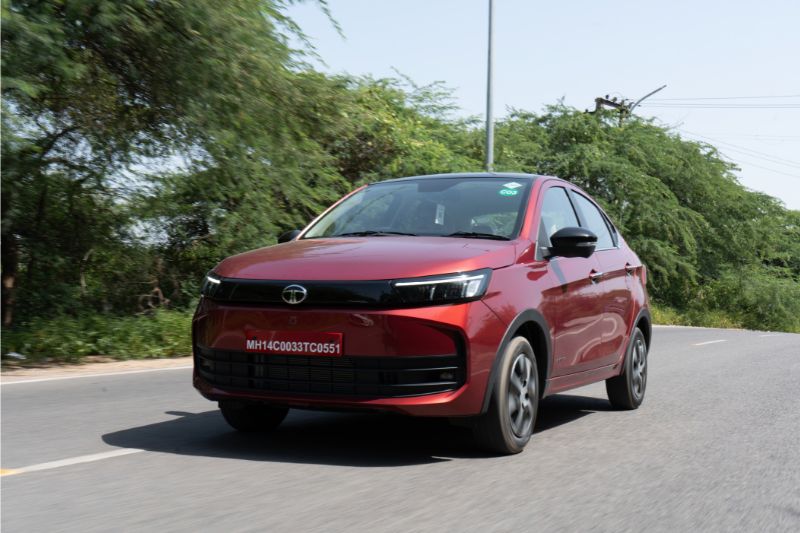
The Tata Aeris keeps its feature list modest, but gets the essentials right
Story – Anvay Mahajan
Photography – Saurabh Botre
Tata.Cars has given its compact sedan a fresh identity, replacing the Tigor nameplate with Aeris. The move is aimed at differentiating the personal-use sedan from the Tigor-based Xpres used extensively by cab fleets, while also giving private buyers a refreshed design and a few additional features. And, having driven it, I think Tata has done a pretty good job with the Aeris.
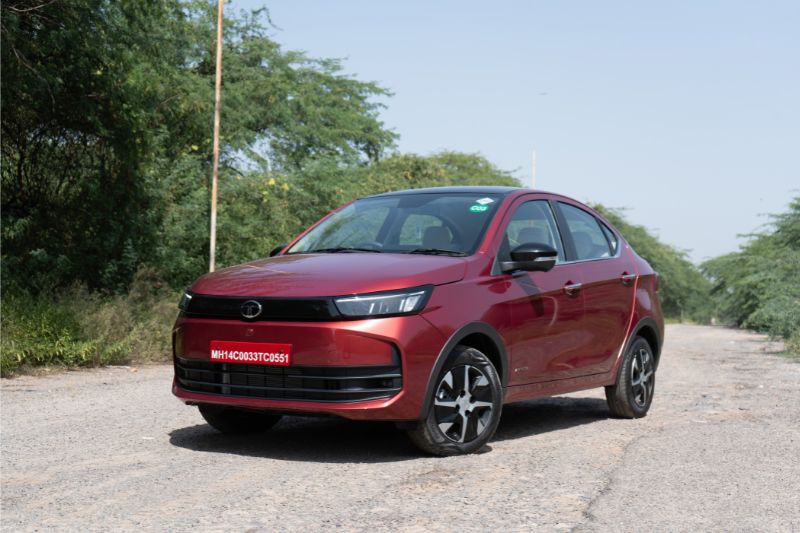
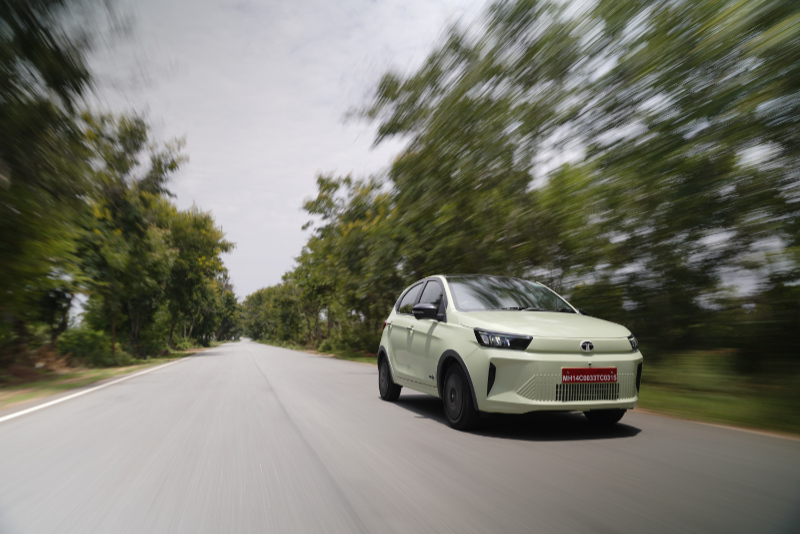
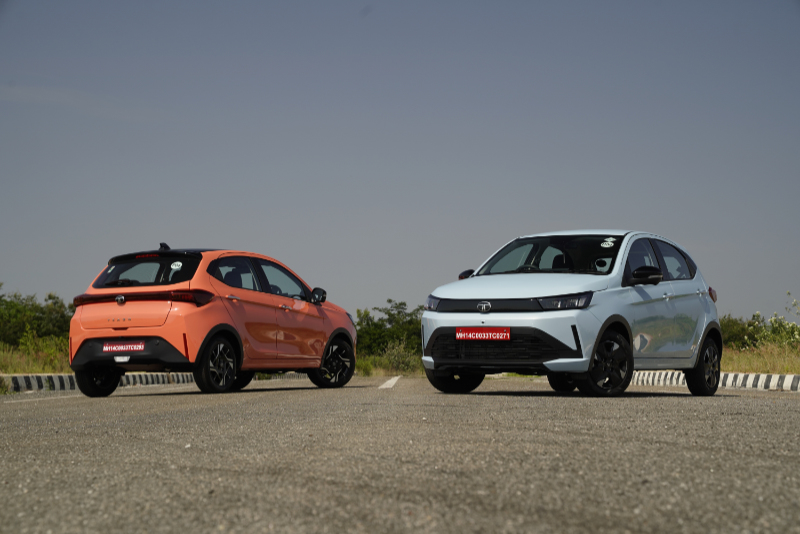
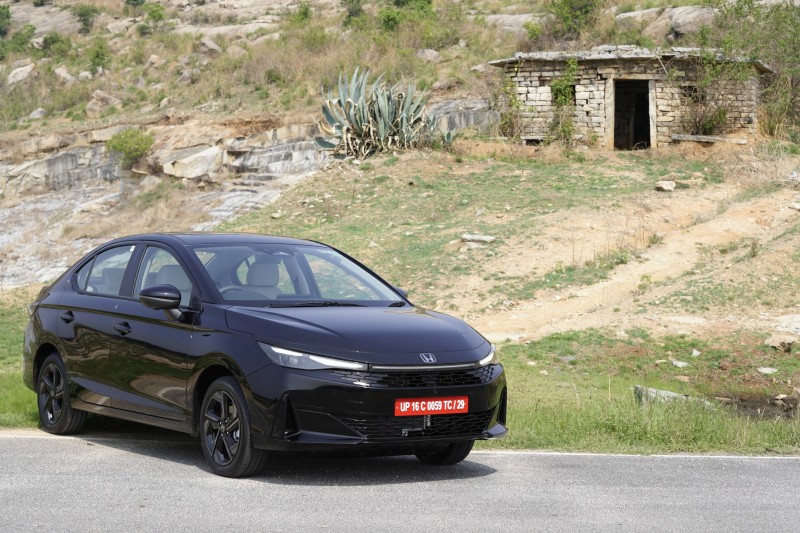
For starters, the familiar Tigor silhouette has received a comprehensive makeover. The front gets a cleaner, blacked-out closed-off panel, while the grille has been repositioned lower down in the bumper. The front has some influence from the new Tata Tiago. LED DRLs and fog lamps are now part of the package, while the higher variants get some vibrant new colour options. The Accomplished petrol-CNG variant rides on 14-inch steel wheels, whereas the top-spec Accomplished petrol gets 15-inch diamond-cut alloys with a rather cool flower-petal design. At the rear, there is a connected LED tail-light setup along with a mildly redesigned bumper.
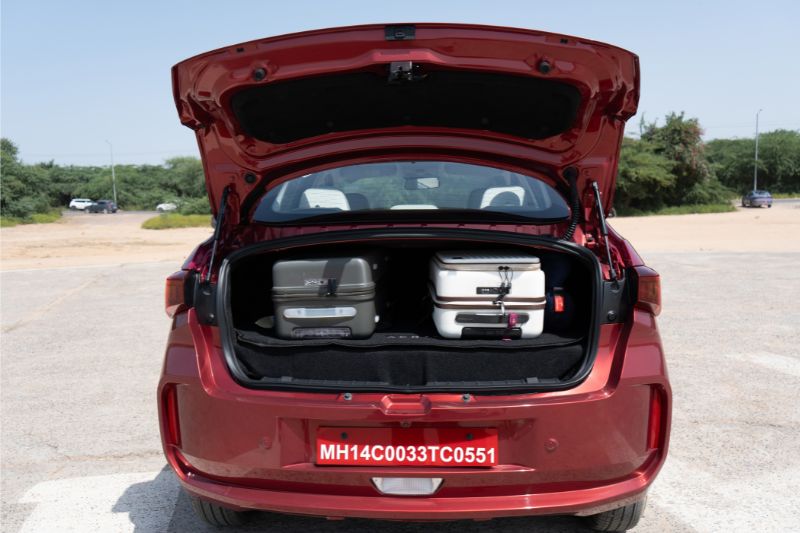
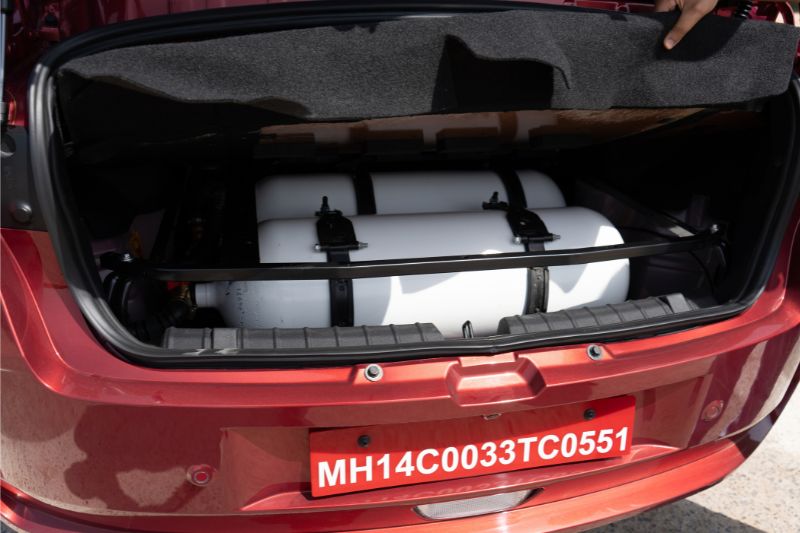
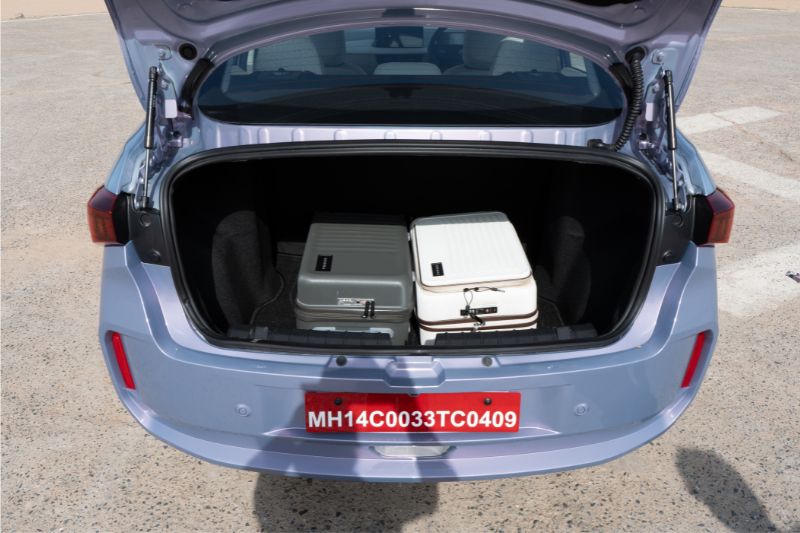
The petrol Aeris offers 419 litres of boot space. Instead of hinges, the Aeris’ boot lid has struts, which Tata claims has increased the usable space. The CNG version, however, gets two cylinders mounted in the boot. Tata has not specified the exact remaining usable volume, but there is enough room for two cabin-sized bags and perhaps another one or two smaller bags.
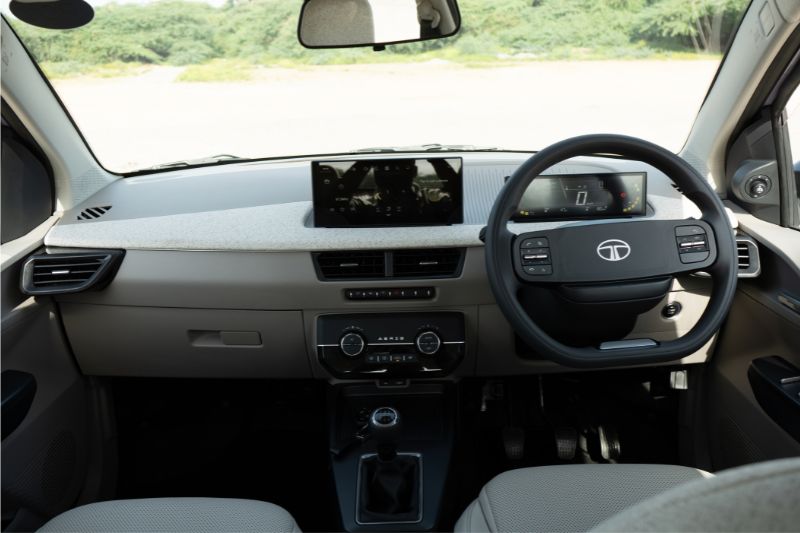
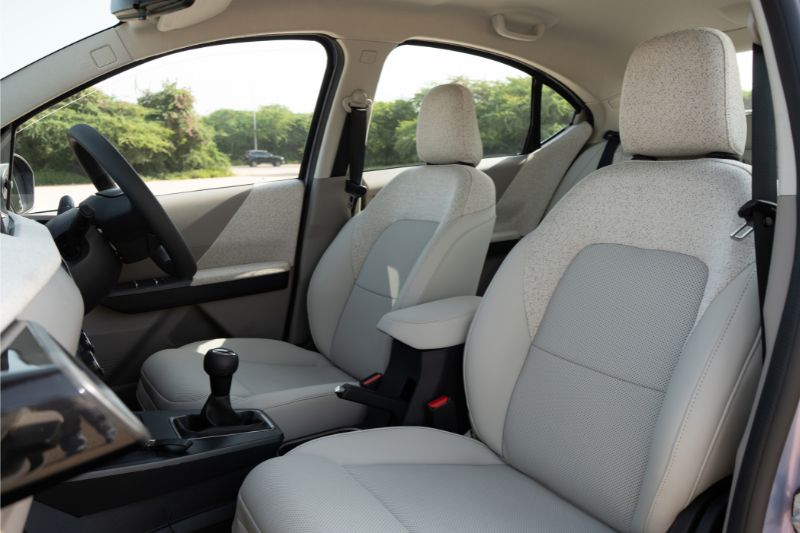
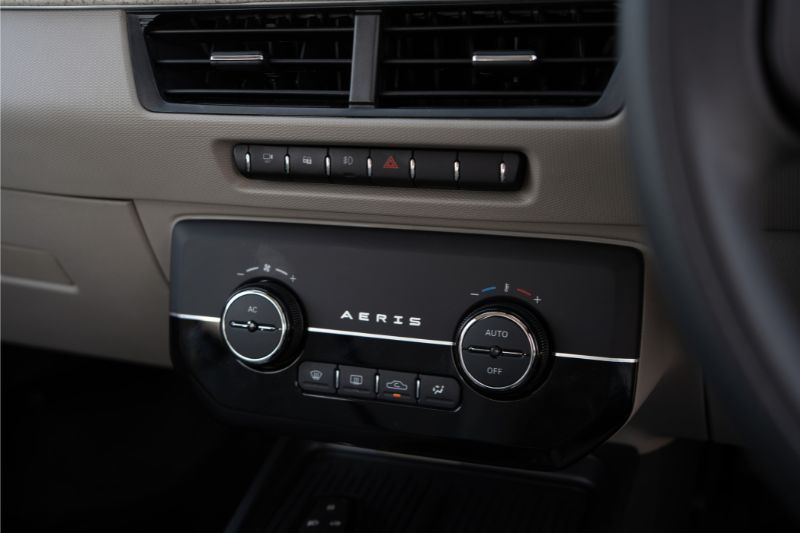
Inside, the Aeris has a simple layout. The dashboard, roof and seats have a clean, bright theme, with 20 percent recycled material used across various components. The steering wheel is a blacked-out unit, similar to the one seen on the new Tata Tiago. Personally, I prefer its look and feel over the glass-like steering wheels seen on some of Tata’s other models, including the Sierra and Punch. Another thing I liked is the generous use of physical buttons. The steering wheel and dashboard retain proper buttons and switches with good tactile feedback, while the CNG version gets a dedicated petrol/CNG switch.
The Aeris gets a five-inch TFT floating instrument cluster and a 10.24-inch touchscreen infotainment system. One of the more interesting features is the 360° Surround View System (SVS) with integrated dashcam recording. I experienced this system for the first time, and it is quite handy. The dashcam can either record continuously or automatically save footage when it detects an event. So, in the event of panic braking, a sudden impact or a sharp jerk, it can store footage from a few minutes before and after the incident.
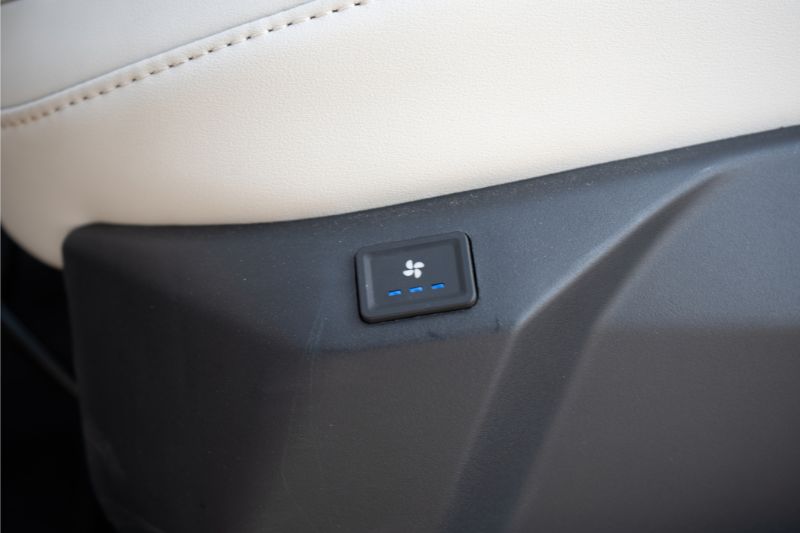
Other equipment includes ventilated front seats, 65-W USB type-C ports for both front and rear passengers, wireless charging pad at the front and rear a-c vents. Overall, the cabin offers a sensible mix of features without trying to overwhelm you with unnecessary gimmicks.

Power comes from Tata’s 1.2-litre, three-cylinder Revotron engine. In petrol guise, it produces 86 hp and 113 Nm, while the CNG version makes 75.5 hp and 96.5 Nm. Both fuel options can be paired with either a five-speed manual or a five-speed automatic transmission.
We started with the petrol-CNG automatic, which was also my first experience with an automatic CNG car. The power delivery is not particularly immediate, and overtaking requires some planning. It feels most at home in traffic and at lower speeds. Switching to the petrol version revealed a more responsive powertrain, with enough torque for everyday driving. However, Noise-Vibration-Harshness (NVH) levels could be better, as the engine gets noticeably vocal and vibrations creep into the cabin when you push it during overtakes. The automatic versions get a circular toggle-style selector with Drive, Neutral and Reverse, along with paddle shifters. However, the gearbox response feels somewhat laggy, particularly when switching between D, N and R.
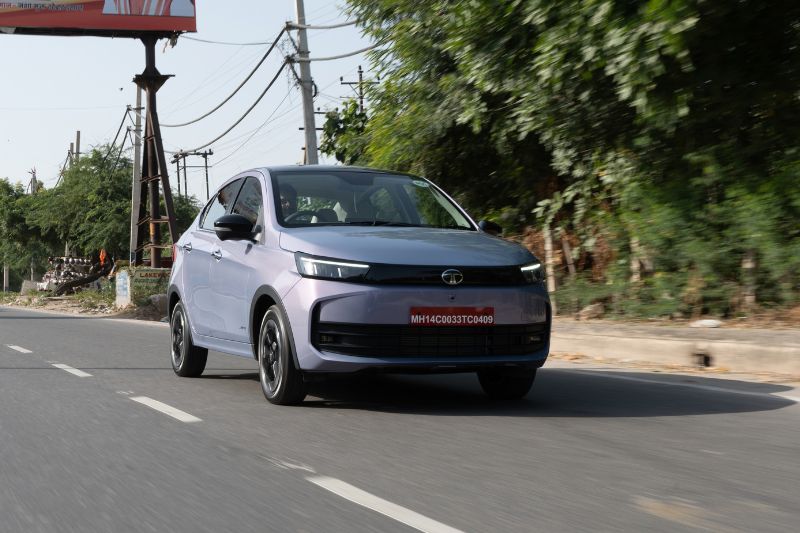
We also got our hands on the top-spec petrol manual Aeris. The clutch is light and easy to operate, while the gear throws are short and precise. However, overtaking still requires some planning, and the engine vibrations remain noticeable when you push it. Although, I felt the manual was slightly better than the automatic.
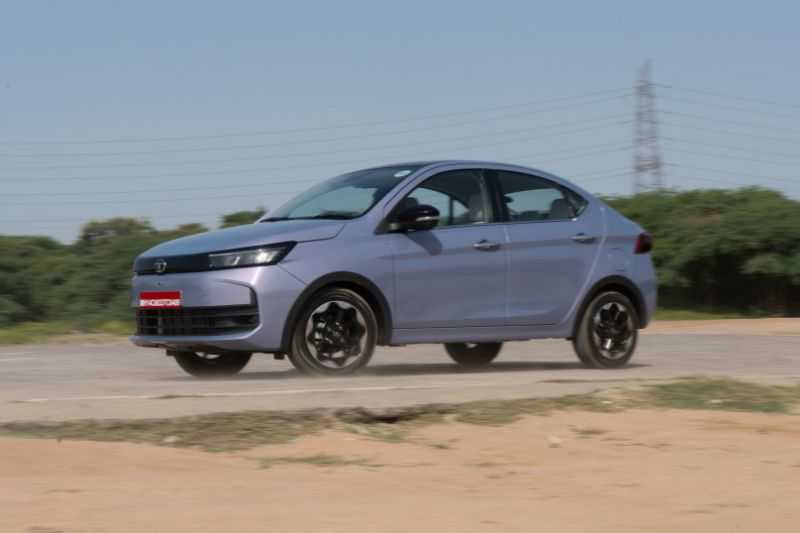
The driving experience is quite similar to the Tiago, which is not necessarily a bad thing. The suspension is tuned towards the softer side and does a decent job of soaking up everyday imperfections. Push it into corners or through a slalom, though, and there is noticeable body roll. The tyres offer a good amount of grip on both variants. The 14-inch steel wheels are shod in MRF ZVTV rubber, while the 15-inchers get Bridgestone B250 tyres. The brakes on the petrol-CNG have a slightly spongy feel, while the petrol manual, despite using the same setup, felt significantly better, offering a more responsive and reassuring feel than the automatic. The steering is on the lighter side but offers decent feedback. We experienced this car for a very short period and a longer test in the future will reveal more about the car.
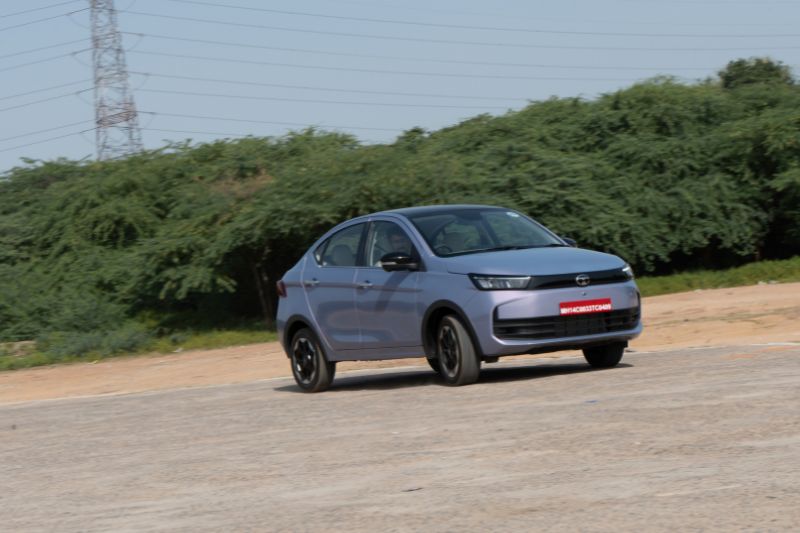
Overall, the Aeris feels like a meaningful refresh over the Tigor. The sharper design and vibrant colour options help it stand out, while the cabin brings together a good mix of useful features. The Tata Aeris goes up against the Maruti Suzuki Dzire, Honda Amaze and Hyundai Aura. For those looking specifically for a CNG automatic, the Aeris currently has the Maruti Suzuki Dzire petrol-CNG automatic as its only competitor. Starting at Rs 5.29 lakh for the Smart petrol manual and going up to Rs 8.74 lakh ex-showroom for the top-spec Accomplished petrol automatic, with the optional iCNG commanding an additional Rs 1 lakh for each trim, the Aeris looks like a compelling option for buyers looking for a feature-rich first car.









Leave a Reply