



Is the fresh approach when it comes to the 2026 Kia Seltos really an improvement over the maverick appeal of the predecessor? We find out around the outskirts of Bangalore
Story: Gaurav Davare
Photography: Sanjay Raikar
The Kia Seltos holds an important place in Kia’s India folklore, as it was this very SUV that kickstarted the marque’s India innings in 2019. It wasn’t a quiet entry either as it was done in a loud and proud manner as the sporty and muscular personality, coupled with a boatload of features and a diverse range of powertrains made it a true maverick in the mid-size SUV segment, proving that SUVs don’t need to just be corporate; they can be bold and grab attention.
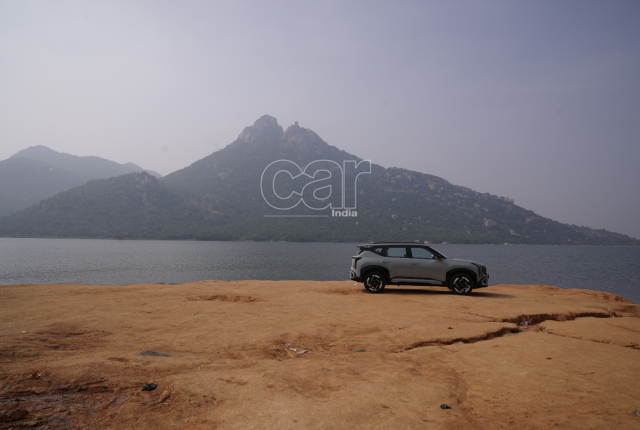
While the SUV has received a healthy dose of updates over the years, it has been overdue for a generation update. Fast forward to the end of 2025 and that update is now here with the 2026 Seltos where Kia is attempting to outdo the maverick by making it more mature. Can it really be an improvement over the predecessor’s appeal? We managed to take it out around the outskirts of Bangalore to find out just that.
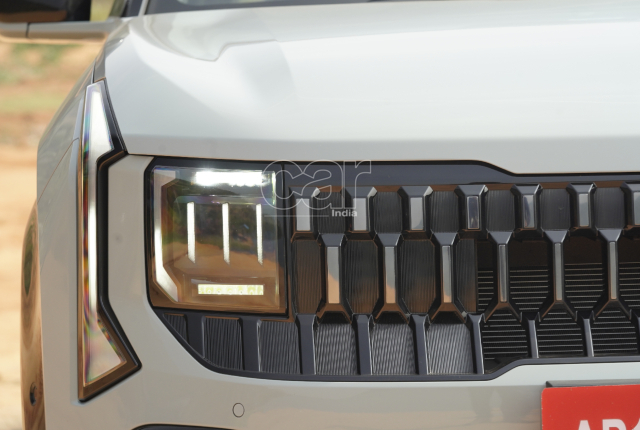

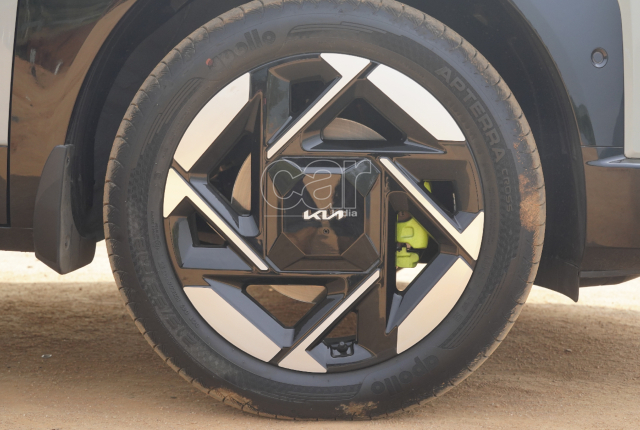
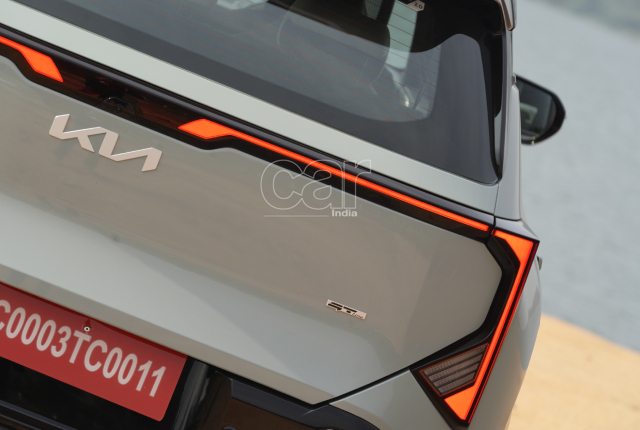
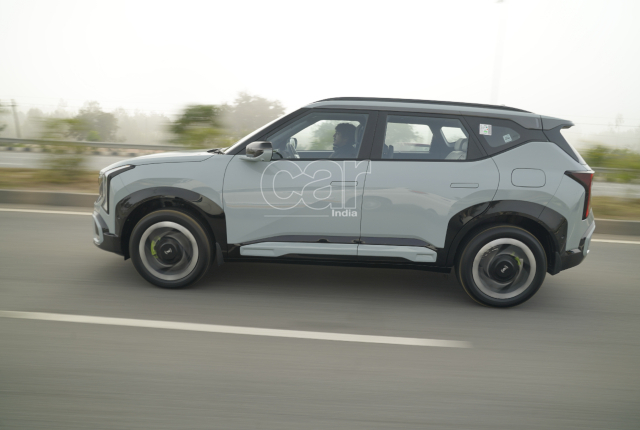
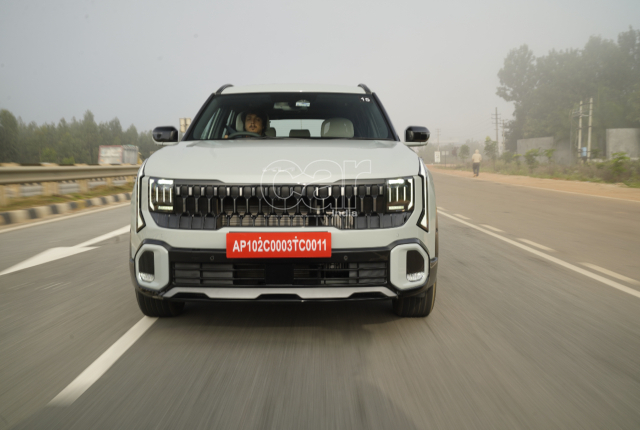
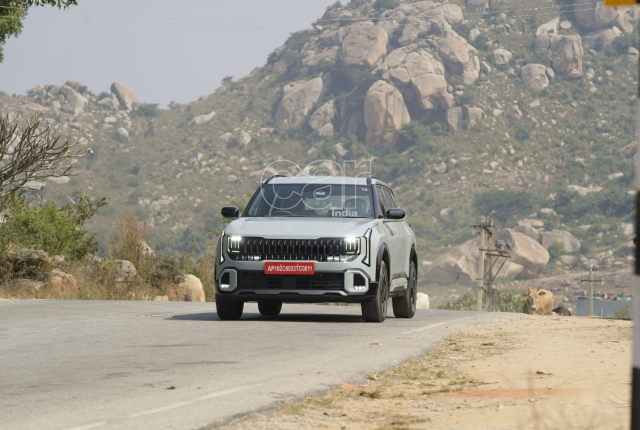
Looking at it from the outside, what’s immediately noticeable is that while the silhouette looks familiar, the 2026 Seltos looks nothing like its predecessor. It’s still aggressive, but in a different way as it is more boxy and upright, and the face sports a larger and fairly aggressive front grille mesh. This is flanked by vertical LED DRLs, and ice-cube-like LED headlights that blend in well with the grille. The bumper too has gotten a touch more aggressive with the chunky fog lamp housing. Heading towards the side profile, you’ll notice more of that upright and boxy philosophy or, as Kia calls it “Opposites United”, towards the nose and rear. There’s a new design for the 18-inch wheels with a mixture of many shapes, you could mistake it for a geometry project. Also, if you take a closer look behind the wheels, the brake callipers are green, possibly hinting at a future electric option.
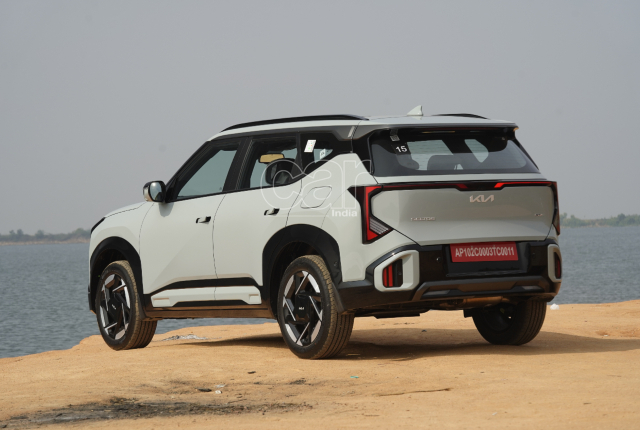
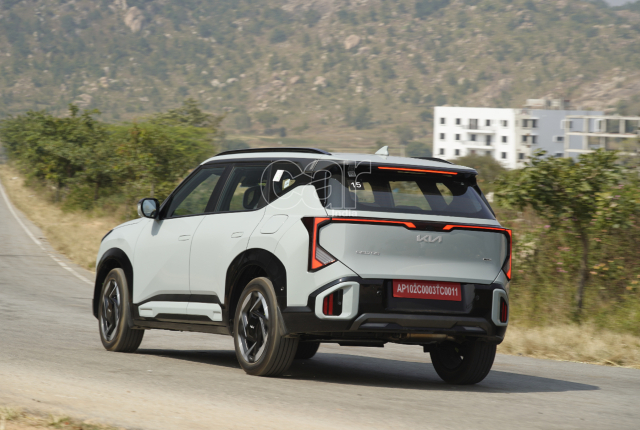
Amongst the boxy body, there are flush-fit door handles to add a bit of sleek flair to the exterior, and the rear is a lot cleaner than before, as the license plate housing has moved to the rear bumper instead of the rear tail gate. Elsewhere, the connected LED light strip is a close resemblance to the Kia Carens Clavis. The other key gain comes from the fact that the 2026 Seltos is 95 mm longer, 30 mm wider and 10 mm shorter, with an 80-mm longer wheelbase than before; thanks to it being based on the new global K3 platform. Not to forget, the new “Morning Haze” shade lifted from the Kia Syros suits the Seltos too, making it quite the eye-candy. Personally, though, this exterior design isn’t really my cup of tea, as I feel it lacks the sporty curves and strong character lines that really made its predecessor stand out.
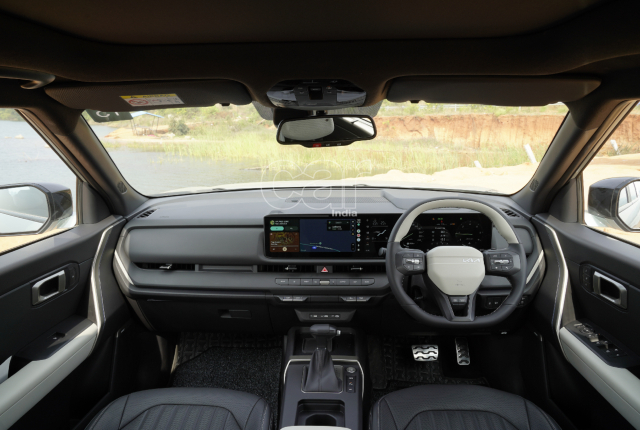
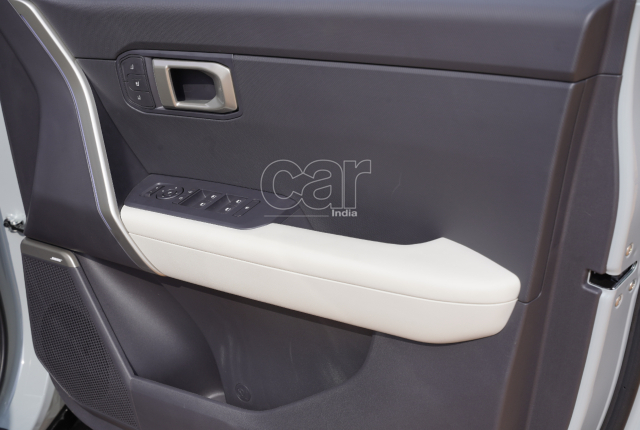
What I do appreciate about the 2026 Kia Seltos is the positive refresh it has gone through on the inside. It’s an all-new layout that feels very premium with soft touch leatherette around the dashboard and door pads and plastics that don’t feel scratchy and cheap; making for a very good fit and finish. The a-c vents are now horizontal units that run along the dashboard together with the central a-c vents, like a connected piece which looks more uniform. Another key change is a new chunky three-spoke steering wheel that looks and feels premium. There is good news for those who love physical controls. There’s a great dose of them for the important car functions and they’re ergonomically placed making them easy to get used to.
At the centre is a 30-inch “Trinity Panoramic” display similar to the Kia Syros. It comprises a 12.3-inch touchscreen infotainment system, a five-inch climate control display, for those who prefer digital controls with more in-depth climate control settings, and a 12.3-inch digital instrument cluster. Impressively, the layout looks fresh, has vibrant colours, feels slick to operate, and is easy to use. Other key gains in the feature list include 10-way adjustment for the powered driver’s seat, with the memory function including the seat and wing-mirror settings, and there is the potential for OTA updates for the ECU as well.
Like its predecessor, the 2026 Seltos also gets a packed feature list which includes wireless Android Auto and Apple CarPlay connectivity, 64-colour ambient lighting, a cooled wireless phone charging pad, front ventilated seats, dual-zone climate control, and an eight-speaker Bose audio system.
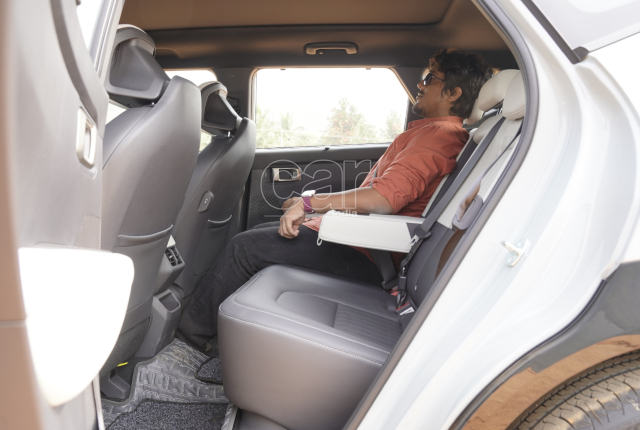
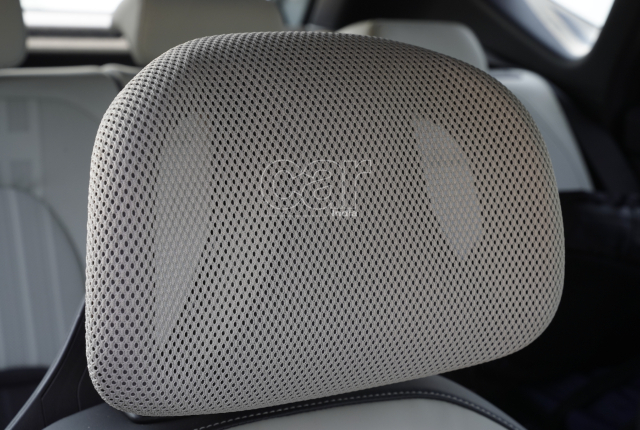
The increase in dimensions isn’t just to make the Seltos look bigger, as you can notice the gains inside as well, especially for the front row, as it feels a bit more roomier than before. The seats too feel nice and plush for long journeys, with the new front seat headrests gaining brownie points as they are nice and wide, and feel comfortable while providing excellent support to the back of one’s head. For the second row, one can easily seat three average-sized individuals as there’s a decent legroom, knee-room and headroom for someone below six feetin height. More importantly, I could sit in relative comfort right behind someone who is six feet tall even though knee-room was at the limit.
Other niceties for the rear passengers are the sense of space via the dual-pane panoramic sunroof, reclinable seats, sunshades, rear a-c vents, Type-C charging ports, and the fairly chunky bits of storage spaces and cup-holders. Speaking of practicality, 14 litres isn’t a big increase theoretically when it comes to boot capacity, but it’s always welcome as the 447-litre boot is more than enough to fit in a family roadtrip’s worth of luggage. It’s not all sunshine and roses inside as there is a lot of hard plastic on the rear of the front seatback; a potential safety issue in the event of a hard-braking manoeuvre or an accident. Despite a healthy list of features, it is missing out on a powered co-passenger seat and a powered tailgate. Oddly enough, it doesn’t get rear ventilated seats either–something which is present in the Syros. While the eight-speaker Bose audio system will satisfy the audiophiles, it could’ve benefitted from more speakers considering the segment is improving on this front of late.
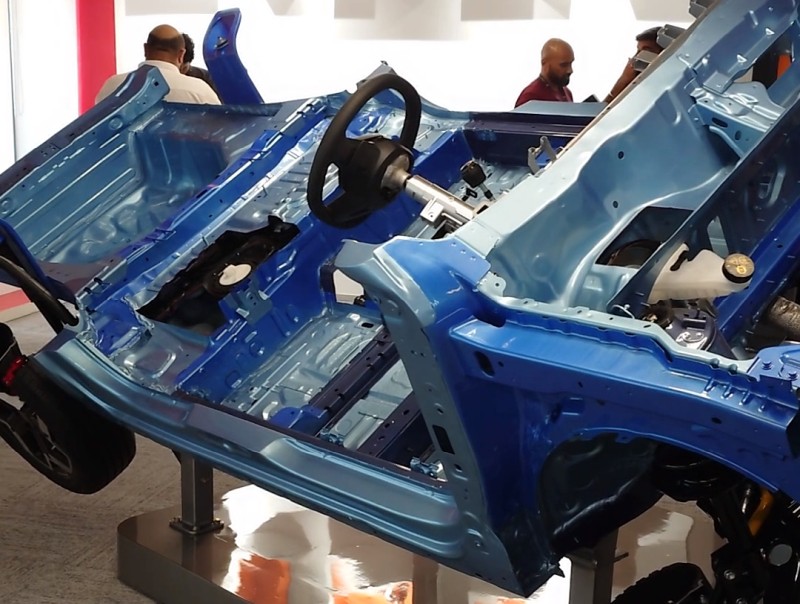
The shift to the new K3 platform is an important one in the interest of safety, as Kia claims this has allowed better torsional rigidity and overall structural integrity improvements. This also means improved Level 2 ADAS suite that adds parking collision avoidance assist as well as front collision avoidance assist, on top of the other safety features on offer, such as a 360-degree camera, six airbags, front and rear parking sensors, ABS with ESC, ISOFIX mounts, all-wheel disc brakes, and hill start assist.
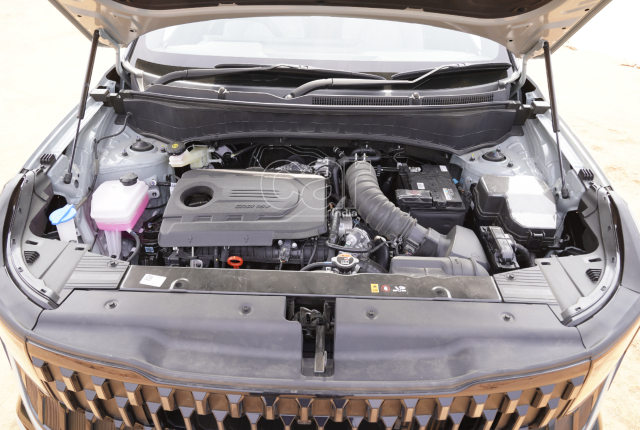
What has remained largely unchained are the powertrains on offer, which is more of a case of why fix something that isn’t broken. The options include a 115-hp, 1.5-litre naturally aspirated petrol engine, a 160-hp, 1.5-litre turbo-petrol engine, and a 116-hp, 1.5-litre diesel engine. A six-speed manual gearbox is standard for the naturally aspirated petrol and diesel engines, with the turbo-petrol engine getting a six-speed iMT alongside the existing seven-speed DCT automatic. As for the other automatic gearbox options, there’s the option of the “IVT” for the naturally aspirated petrol engine, and a six-speed torque-converter unit for the diesel motor. Does the increase in dimensions make a difference to the driving experience?
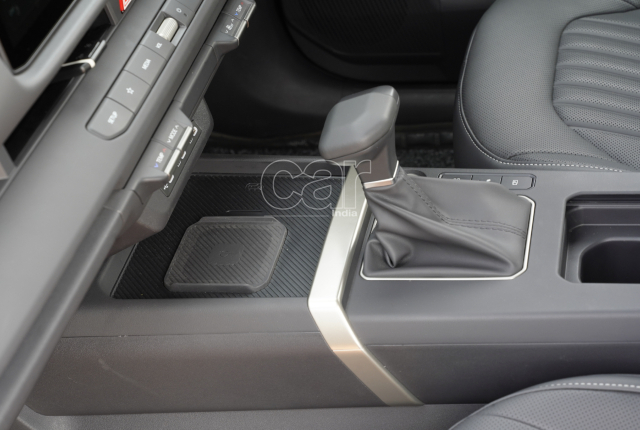
On a positive note, it is very similar. The test car we had was the diesel-automatic combination and it is a very decent setup for those who have long commutes or go on roadtrips, as the power delivery is more than adequate; whether it is cruising in the city or executing quick overtakes. The six-speed torque-converter is a boon for this engine as the shifts are seamless and it holds on to a gear just long enough before upshifting. So far as fuel economy is concerned, after doing nearly 200 km of running, I managed to get up to 17 km/l on the highway which, I believe, can easily exceed 20 km/l if driven judiciously. The efficiency drops to about 12 km/l while navigating through high traffic situations around the city.
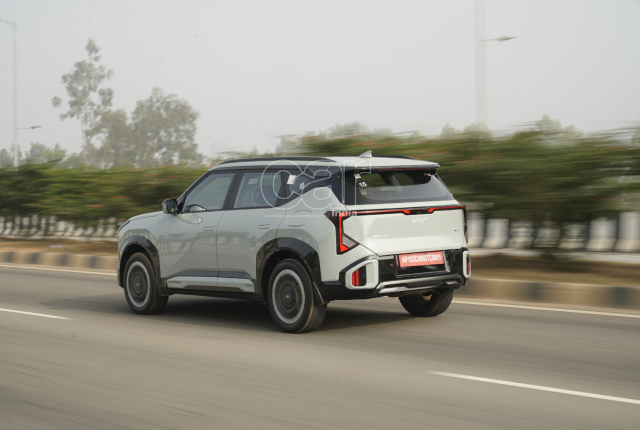
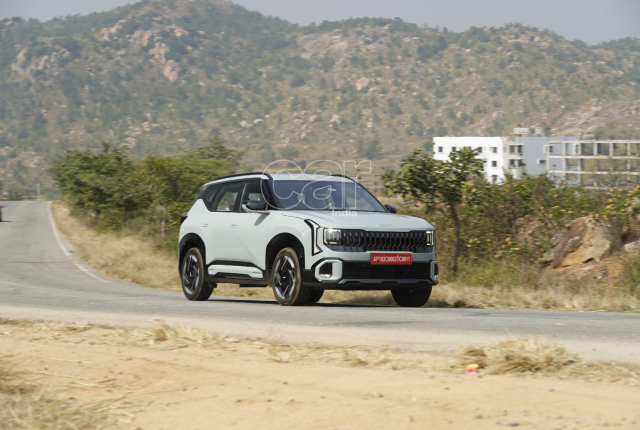
While the powertrains are unchanged, Kia has tinkered around on the mechanical aspect as the steering feedback is a touch sharper–something especially felt when executing quick changes of direction or taking corners at speed. This gives the driver an enhanced sense of confidence. The new three-spoke steering wheel weighs up nicely once it picks up speed so the driver has some assurance while attacking tight bends. The suspension now gets a softer tune which, fortunately, hasn’t compromised driving dynamics as body-roll is well controlled. It feels plush even over broken surfaces or when going over speedbreakers; all without unsettling the SUV.
Trying out the Level 2 ADAS features including adaptive cruise control, blind-spot monitor, lane change assist, and the new parking collision avoidance assist, I can say that the sensitivity is adequate for Indian conditions and there’s little chance of nasty interventions.
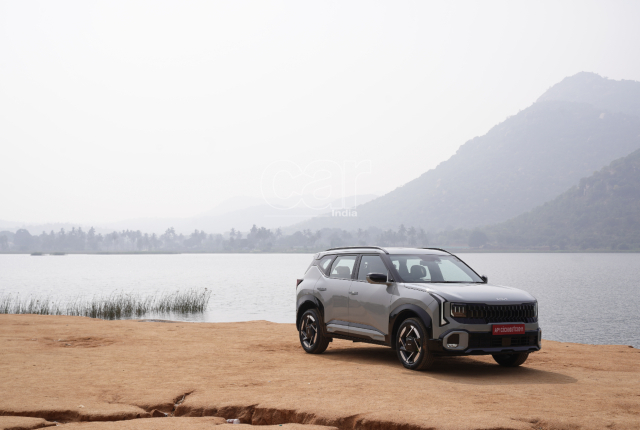
While we will have to wait until 2 January, 2026 for the prices, we know that the 2026 Kia Seltos will be offered in the HTE, HTE(O), HTK, HTK(O), HTX, HTX (A), GTX, GTX (A), X-Line and X-Line (A) variants. At the end of the day, it continues to be a solid all-rounder in its segment, with its refreshed design, more loaded feature list, and a diverse set of powertrain options. Yes, there are still a few misses in the feature department, but if Kia prices it right, it could continue to carry on where its predecessor left off and redefine the maverick appeal it has in its segment with a more mature approach.










Leave a Reply