


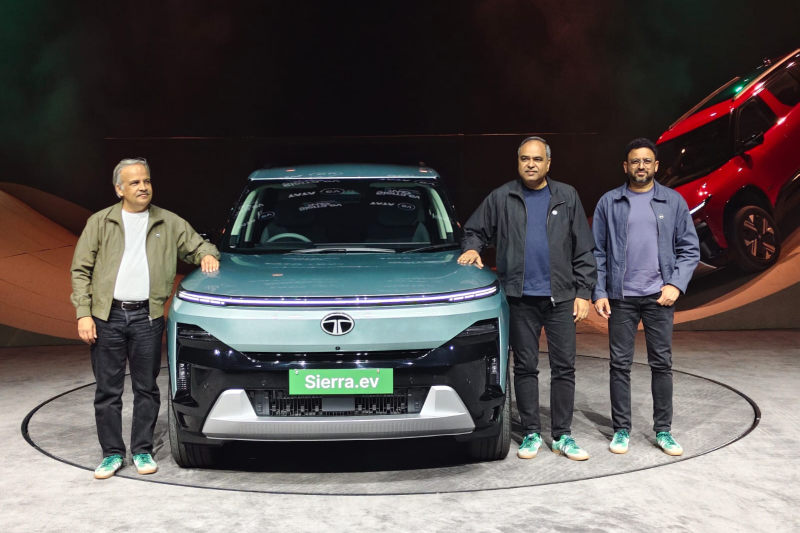
The Tata Sierra.ev is still the recognisable new-gen comeback SUV but, with electric propulsion, all-wheel drive, and up to 500 km of real-world range
Back in November 2025, India saw the iconic Tata Sierra nameplate make a comeback after nearly two decades with its generation update. It honours the OG’s design, has a fresh and contemporary cabin loaded to the gills in features and is one of the most diverse SUVs in terms of internal combustion engine (ICE) powertrains with the option of a 160-hp 1.5 litre four cylinder “Hyperion” turbo-petrol engine, a 106-hp 1.5-litre naturally aspirated “Revotron” petrol engine and a 118-hp 1.5-litre “Kryojet” diesel motor. Now, it’s gotten even more diverse via an all-electric counterpart called the Sierra.ev. With prices ranging from Rs 18.79 lakh to Rs 25.99 lakh (ex-showroom) which excludes the charger and installation costs, it’s still the very recognisable new-gen comeback SUV, but with key changes to give it a different identity apart from the obvious.
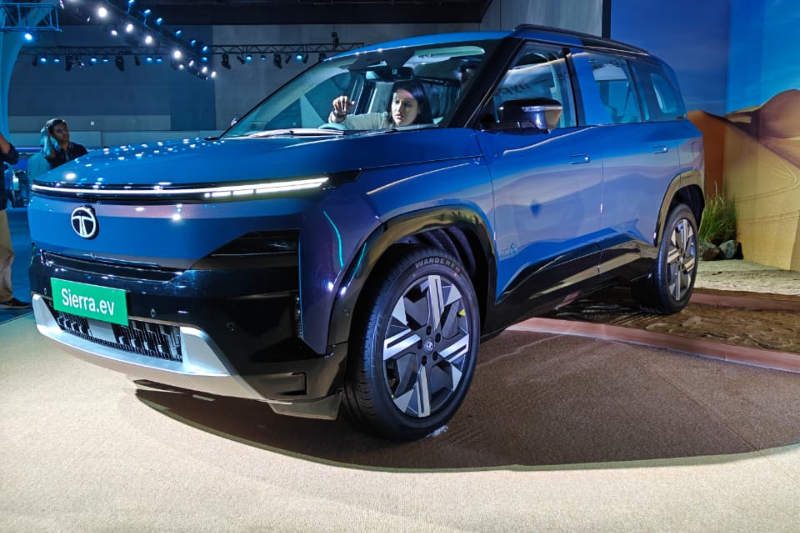
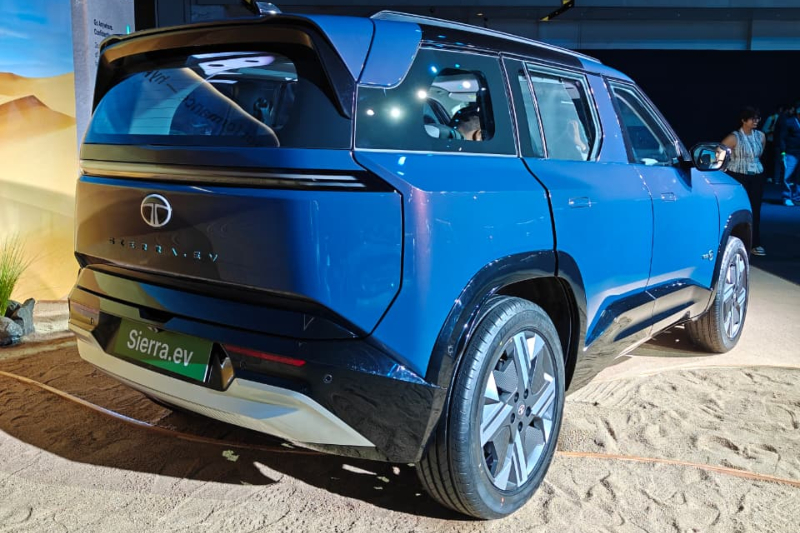
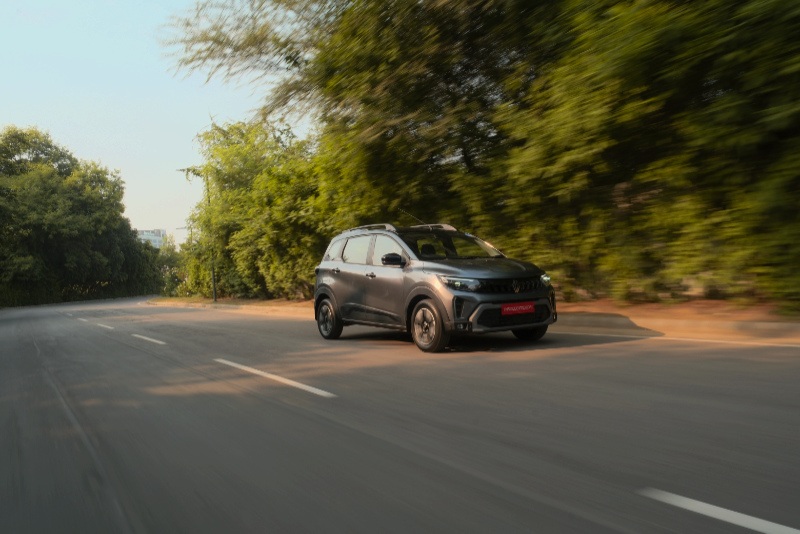
Starting with how it looks, the Tata Sierra.ev retains the upright tall and boxy design with strong shoulder lines that gives the SUV a muscular presence. Even the positioning of the connected LED DRL strip and the positioning of the headlights and tail-lights are largely identical to the ICE model. Here’s where the similarities end as instead of a prominent front grille, the fascia is much cleaner with a body colour trim spanning the width of the SUV. Apart from the “QWD” badging for the all-wheel drive variants and the Sierra.ev lettering at the rear, much of the SUV remains unchanged to its ICE counterpart. In terms of colour options, Rishikesh Rapids and Nainital Nocturne are new additions to the palette that includes Pristine White, Andaman Adventure, Pure Gray, Coorg Cloud and Bengal Rouge.
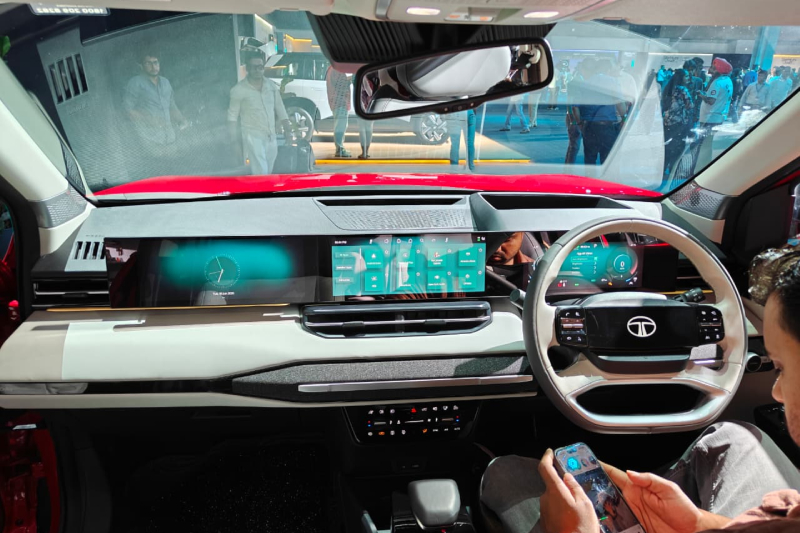
Considering the exterior hasn’t really changed that much, it comes as no surprise that the cabin retains that spacious, fresh and contemporary theme. Of course there are EV-specific themed bits such as the different upholstery shade, as well as the theme and graphics on three digital screens that comprise the 12.3-inch touchscreen infotainment system and a co-passenger entertainment screen as well as a 10.25-inch digital instrument cluster. Also, with no gearbox tunnel needed due to the Sierra.ev being an electric vehicle, that frees up some storage space around the centre console. Interestingly, despite it being an EV it still has up to 622 litres of boot capacity with all the seats up, and there’s now a 55-litre frunk.
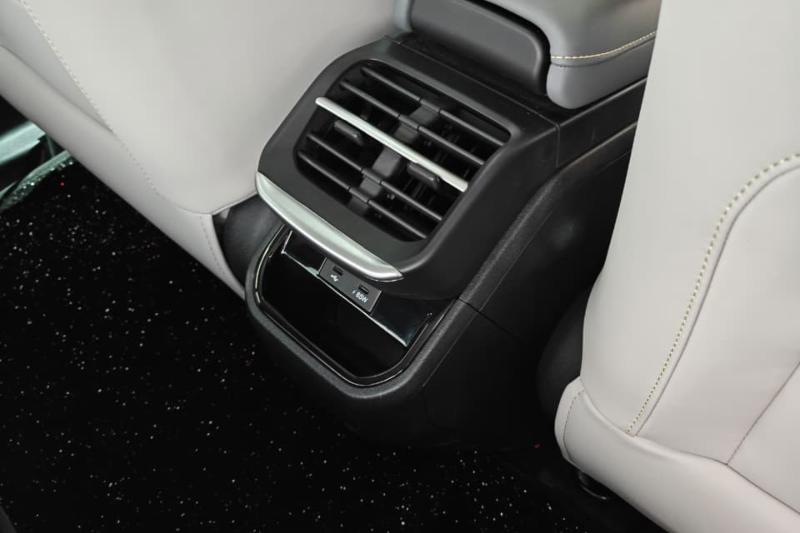
Like the ICE model, it comes loaded with features like dual-zone climate control, an AR head-up display, wireless Android Auto and Apple CarPlay, a panoramic sunroof, powered tailgate, wireless phone charging pad, powered and ventilated front seats, USB Type-C charging ports, and a 12-speaker JBL Black premium audio system. Safety features will include six airbags, Level 2 ADAS, electronic stability control, hill hold control, front and rear parking sensors, electronic parking brake with auto-hold, ISOFIX child seat anchorages and all-wheel disc brakes. Borrowed from the Harrier.ev is a 540-degree view camera and Summon mode that doesn’t require any driver input as the car can be autonomously summoned remotely using the key fob. What is special with the Sierra.ev is the ability to have your smartphone act as a console controller via the Airconsole feature.
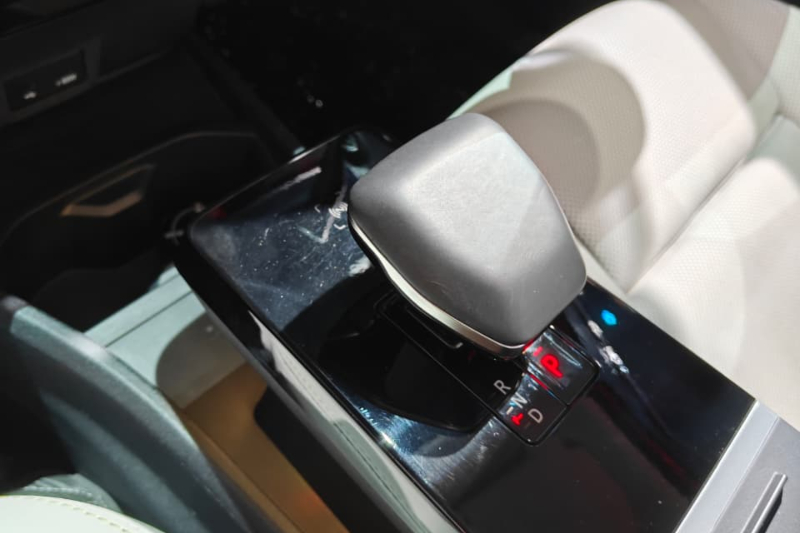
Now, to the obvious change which is under the hood. It’s based on the Acti.ev+ architecture which is a skateboard platform. Also, instead of an internal combustion engine, the Sierra.ev comes with 63 kWh and 75 kWh battery pack options. On top of that, the electric motor options include a 175 kW (238-hp) rear-wheel drive setup, and a dual-motor all-wheel drive powertrain that makes 103 kW (140-hp) for the front axle and 154 kW (203-hp) for the rear axle to make a cumulative torque figure of 504 Nm. It also includes six terrain modes and off-road assist. Another interesting bit is that the 75-kWh rear-wheel drive setup utilises the 154 kW (203-hp) electric motor, likely to maximise range. In its most potent avatar, it can hit 0-100 km/h in just 5.8 seconds. To help with the ride quality, the Sierra.ev too retains frequency selective damping.
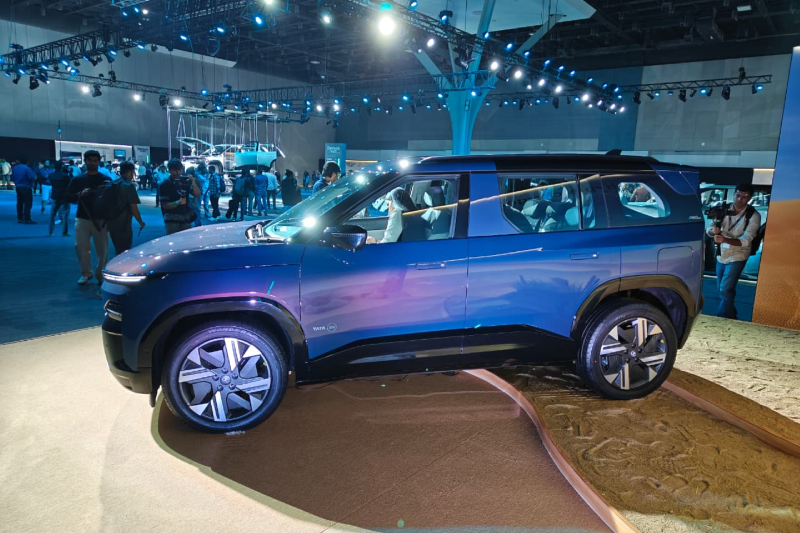
As far as range is concerned, for the rear-wheel drive setup, the 63 kWh variants can go up to an MIDC-claimed 565 km of range on a single charge, while the 75 kWh variants can go up to 665 km. A 120 kW DC fast charger allows up to 250+km worth of charge in 15 minutes. There is of course Vehicle-to-Load and Vehicle-to-Vehicle charging technology that can have the Sierra.ev double-up as a power source for other EVs or electrical appliances. One more little brownie point for the Sierra.ev and the entire EV lineup, the carmaker is now offering a lifetime battery warranty.
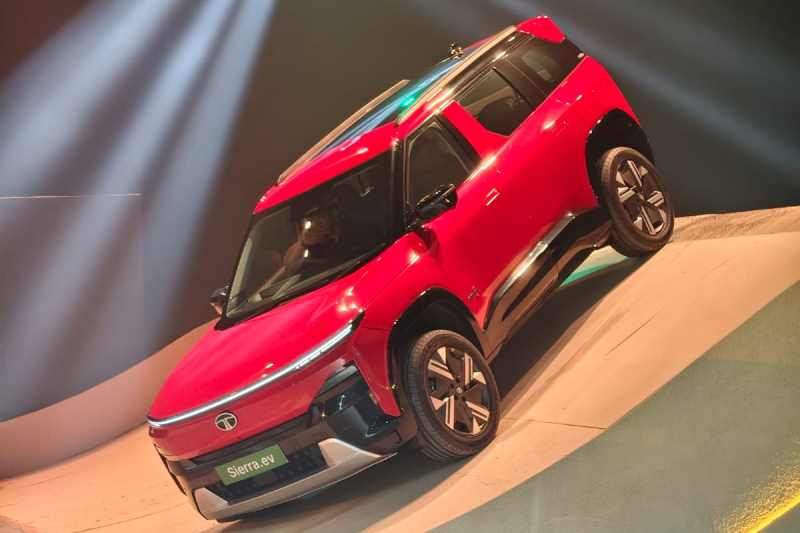
While bookings are currently open and you’ll have to wait until 15 July, 2026 for deliveries to commence, the Tata Sierra.ev can be had in the Pure, Pure S, Adventure, Empowered and Empowered A variants, and interestingly, the QWD setup currently limited to the Empowered A 75 kWh variant only. With the Tata Sierra.ev, the carmaker has essentially plugged a hole in terms of the SUV’s diversity of powertrains. It enters a rather interesting segment where it will face stiff competition from the VinFast VF 7, Mahindra BE 6 and XEV 9S, Maruti e Vitara and Toyota Urban Cruiser Ebella, among others.








Leave a Reply