


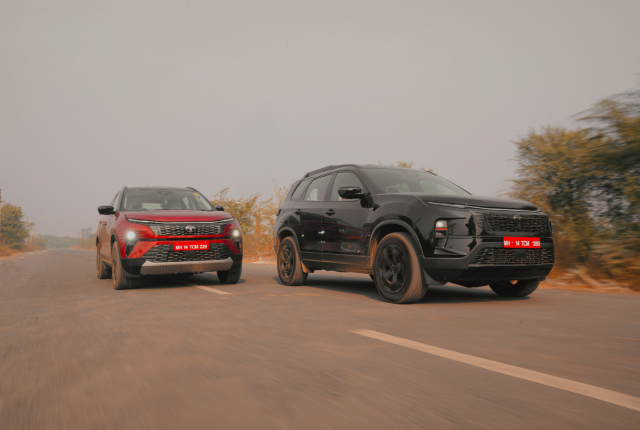
The Tata Harrier and Safari historically being oil burners, now get a gas guzzler option. We sampled them in Delhi to see whether the overall experience of these SUVs has significantly changed
Words: Gaurav Davare
Photography: Siddharth Dadhe
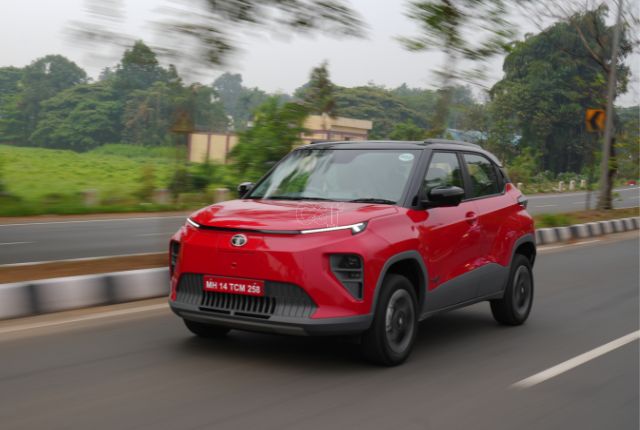
Historically, the Tata Harrier and the latest iteration of the Safari have been exclusively powered by a diesel engine. Not that it’s a bad thing as the Kryotec engine has been a dependable companion. Fast forward to the end of 2025 however, and the preference for petrol-powered SUVs has been gaining traction, not helped by the ever stricter emission norms or the ban on diesel cars over 10 years old in Delhi-NCR. So, with the gaining popularity of petrol-powered SUVs in this segment, Tata Motors have given the Harrier and Safari a petrol-engined option. Question is, can this setup make a decent enough impression to retain the decent appeal of the two SUVs? We tested it around the outskirts of Delhi to find out.
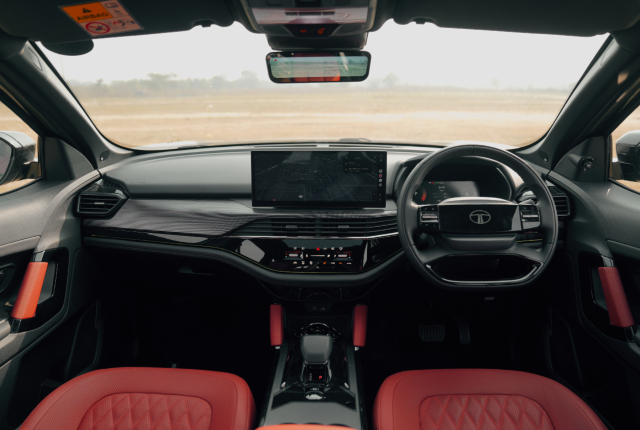
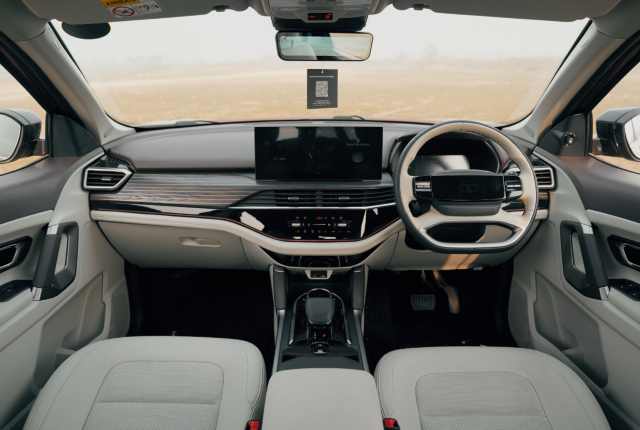
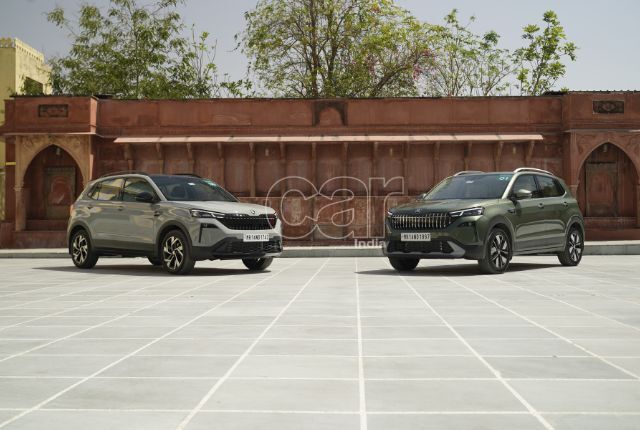
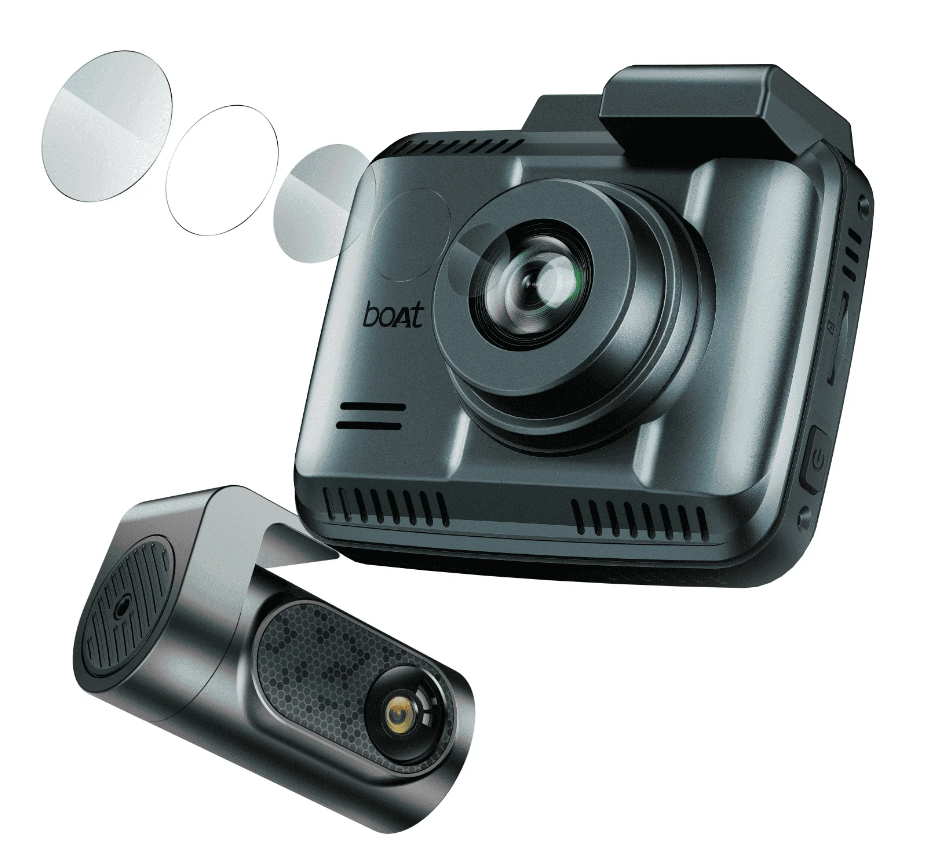
Considering this is more of a powertrain-focused change, it comes as no surprise that the Harrier and Safari are pretty much identical in terms of looks, space and the overall feature list. Unfortunately, that also means the ergonomic oddities and the inconsistency in panel gaps and fit and finish. That being said, the petrol-powered version gets a few more niceties trickled down from the Harrier.ev, which starts with the larger 14.53-inch Samsung Neo QLED infotainment screen, that I already appreciated before and even now, as it looks sleek, is easy to use, has a sharp response and the colours are nicely vibrant. Another feature from the Harrier.ev is the digital IRVM with an in-built dashcam feature that serves its purpose decently, although better resolution would’ve been nice.
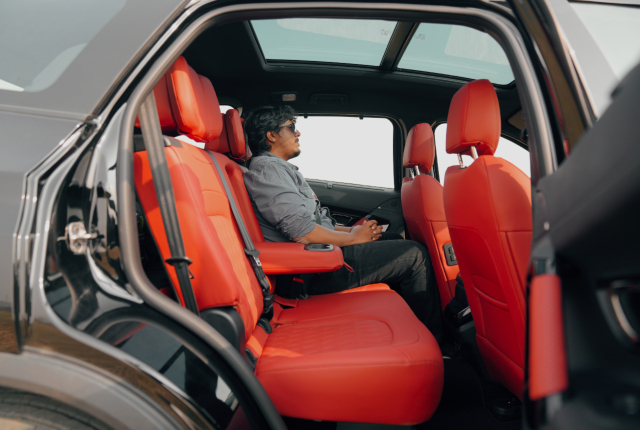
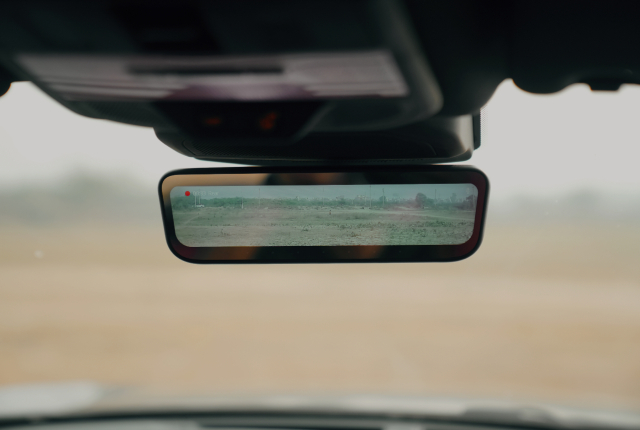

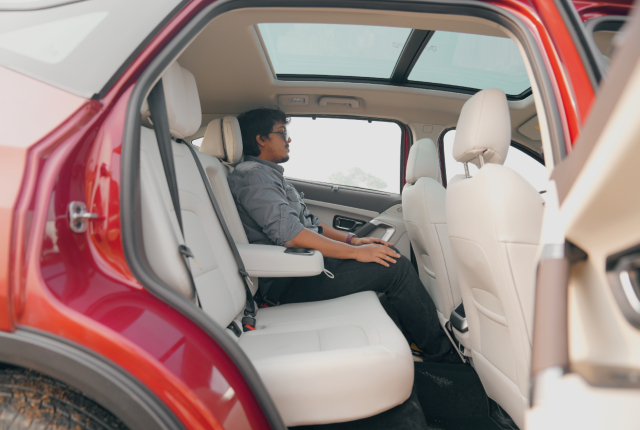
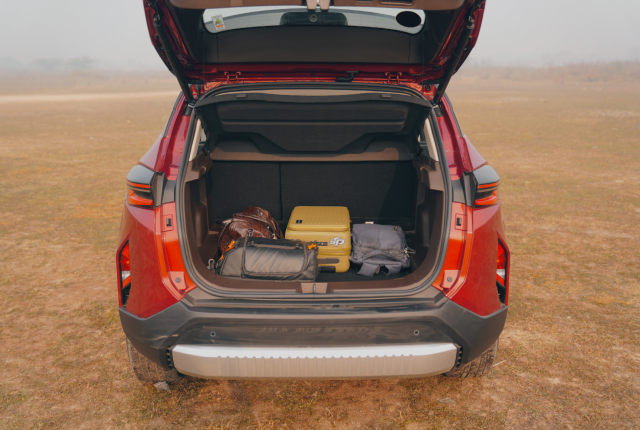
Other additional niceties include a memory function for the ORVM, a 65W Type-C charging port, and Dolby Atmos audio tuning to complement the 10-speaker JBL sound system. An all-new addition however is a front and rear camera washer that will really come in handy around monsoon conditions, or for when you’ve taken either of the SUVs out for some dusty and muddy escapades. This is part of a variant rejig for the petrol option, that includes a new top-spec Fearless Ultra variant for the Harrier and the new top-of-the-line Accomplished Ultra for the Safari. The Red #Dark Edition option also makes its return, now in the latest iterations of both SUVs, bringing in red and dark elements inside and out.
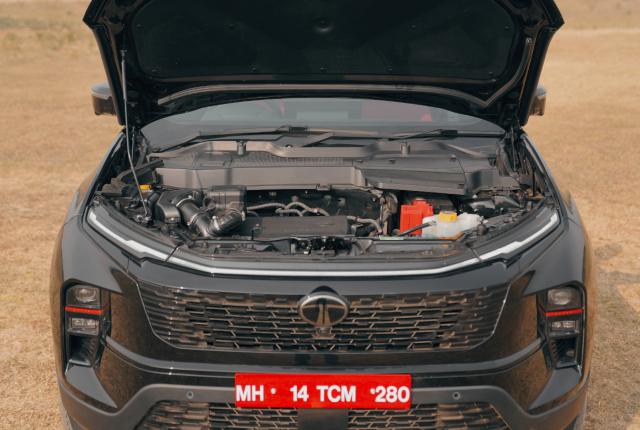
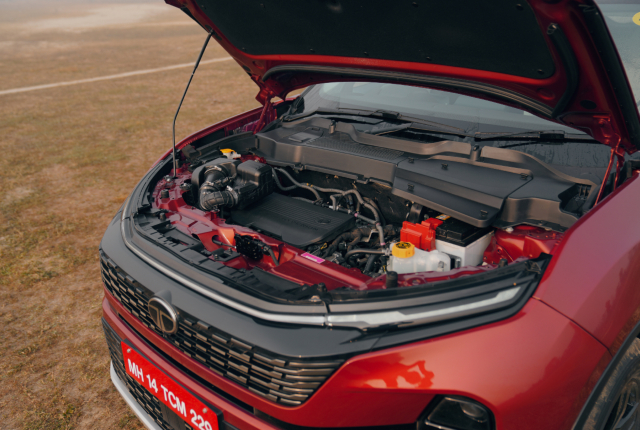
Now, to the main crux of the new heart on the Harrier and Safari. The powertrain in question is the 1.5- litre Hyperion T-GDi petrol motor, like on the Sierra. But in the Harrier and Safari, it makes 170 hp and 280 Nm, 10-hp and 25-Nm more than the Sierra. On top of that you could have it specced with either a six-speed manual or an Aisin-sourced six-speed torque converter automatic gearbox. The units we had to test were paired with the six-speed torque converter unit.
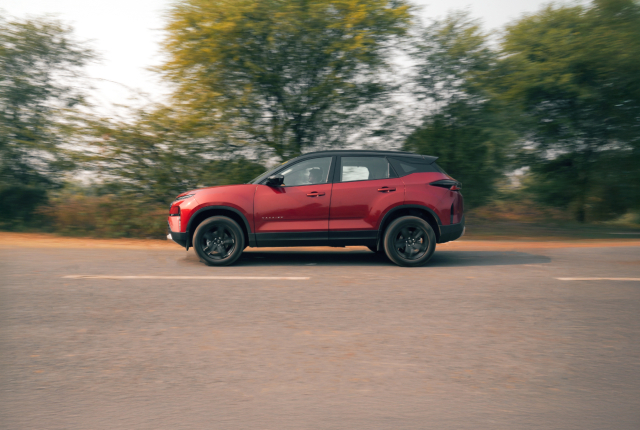
What immediately impressed me about the Hyperion engine while driving both SUVs was that it felt very smooth and the power delivery was linear especially at cruising speeds both on the city and at the highway, with satisfactory grunt to get it off the line. The NVH levels are impressive too as much of the outside background noise was largely blocked out. Overall, it is one of the better petrol engines from Tata Motors. That being said, if you are wanting to drive it in a spirited manner, there is a little turbo lag, and it can get a little noisy inside, so there is room for improvement in refinement.
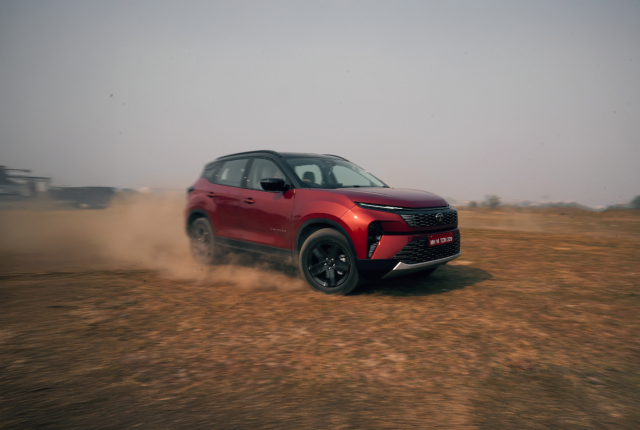
The six-speed torque converter is tuned very well for this motor as the shifts are seamless and you don’t need to intervene with the paddle shifters as it gets into the right gear at the right time for most scenarios. Even while driving the Safari in this configuration the feeling was similar, but you do feel the added weight of the three-row layout as the engine does cry out a little more when trying to properly push it. Unfortunately, we couldn’t get a true read on fuel efficiency as the readout never went above or below 8 km/l despite different styles of driving and using the Eco, City and Sport driving modes. Tata Motors did set an India Book of Records-certified figure of 25.9 km/l around NATRAX, but those are controlled and unrepresentative conditions, so stay tuned for a proper road test on this.
Would I pick this setup over the diesel counterpart? After spending so much time used to the diesel engine, the lack of low-end torque on the petrol option means it is a bit of a downgrade especially if one prefers to drive it in a spirited manner. But in terms of the smoothness and refinement at calm cruising speeds, the petrol option passes that test with flying colours.
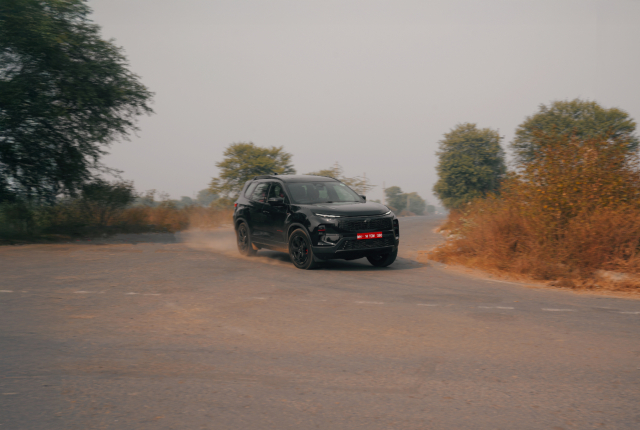
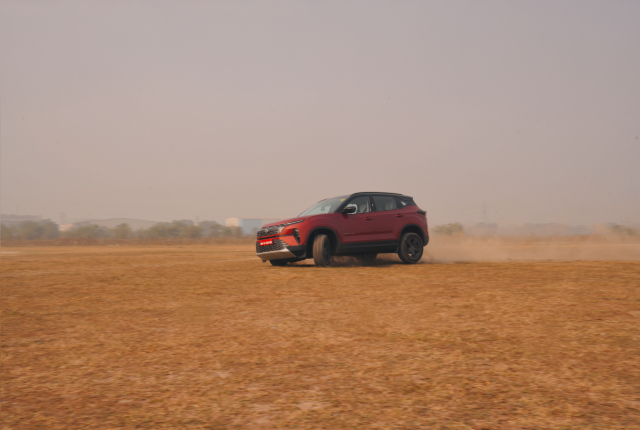
Even though we don’t have official kerb weight figures, theoretically, the petrol-powered setup should be lighter than the diesel, which should affect the ride and handling dynamics. Although I didn’t really notice much of a difference, it’s not a bad thing as both SUVs retain the great ride and handling in this department. These SUVs eat bad roads for breakfast with a sense of toughness that assures confidence rather than uneasiness. Body roll is well controlled for the most part and they really hit their own stride on highways with damping that is more than solid for long-distance road trips even at triple-digit speeds. Even though the SUVs are big, the steering calibration is adequate enough to feel light navigating low-speed tight sections, and it weighs up nicely as you hit higher speeds.
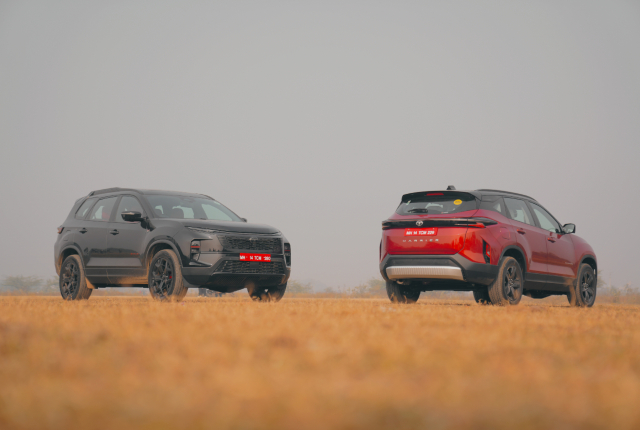
While prices are not out yet expect the Tata Harrier and Safari petrol variants to undercut the diesel variants by around Rs 60,000 to Rs 80,000 depending on the variant chosen. Yes, the petrol variants get more features, which I’m sure the diesel variants will soon follow, I’d personally still pick the diesel option from a pure driving perspective. That being said, the petrol option is an additional, more affordable flavour of choice for both SUVs, and if you value refinement and don’t have very long-distance commute requirements, then the Harrier and Safari petrol variants can be a serious consideration.







Leave a Reply