


The iconic GT-R nameplate will even boast the same engine, but with a twist
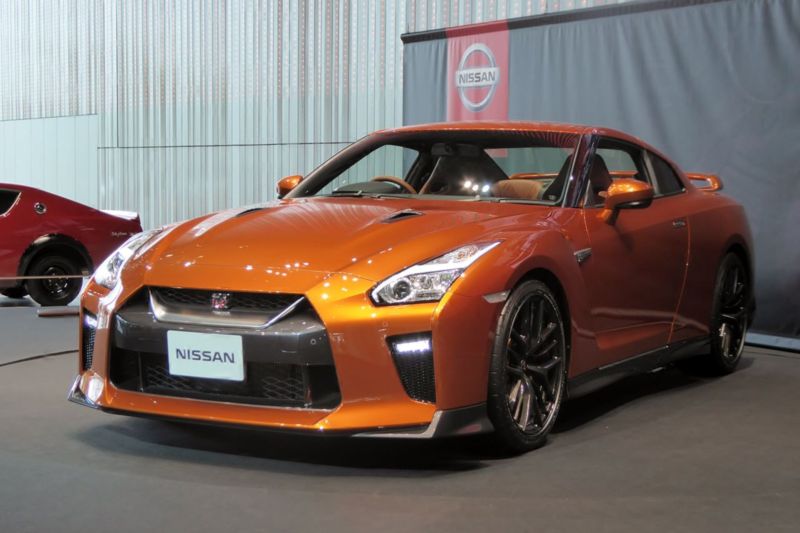
Do you remember the post-credit scene from “Godzilla” (1998), where the camera pans over the multitude of eggs, only for one to burst open revealing an already ferocious hatchling? The “real” Godzilla, ie, the Nissan GT-R R35, phased out last year after a decade of existence, owing to ever-tightening emissions regulations, seems to be taking a cue from the same. That’s because the iconic moniker is set to return in 2030, that too with the same engine, but this time in hybrid guise.
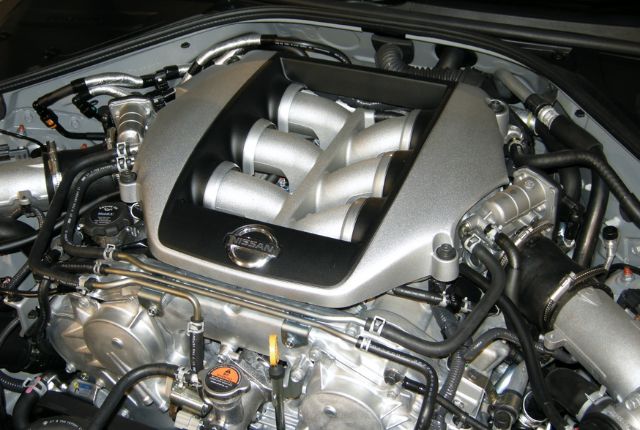
Right off the bat, the new GT-R, now in the R36 generation, will be more of a reset than a mere update. As mentioned, though the iconic VR38DETT 3.8-litre twin-turbocharged V6 engine will be retained, we reckon it’ll be comprehensively re-engineered–with revised cooling channels, and upgraded metallurgy and internals to satisfy the needs of both power delivery and emissions compliance. It may even boast electrically powered turbochargers (e-turbos), eliminating traditional lag by spooling compressors independently of exhaust flow.
The upcoming GT-R will pack a chassis made from a combination of high-strength steel or aluminium composite, with a low-mounted battery pack that will contribute to rigidity and lower the mass centre, for a more balanced structure capable of handling both combustion and electric performance demands. A point to note, here, is that Nissan has already spoken about solid-state battery tech back at the 2023 Japan Mobility Show, so the weight differential due to the incorporation of batteries may not too drastic.
As is the nature of the beast, we expect the additional motors–as part of the hybrid powertrain– to supplement the GT-R’s famed ATTESA E-TS (Advanced Total Traction Engineering System for All-Terrain Electronic Torque Split) system. So, instead of being a torque-fill or transient-response enhancer, we venture that the independent motors on each axle will likely offer instantaneous torque, not just between the front and rear axles but, potentially, at individual wheels; drastically improving corner-exit traction.
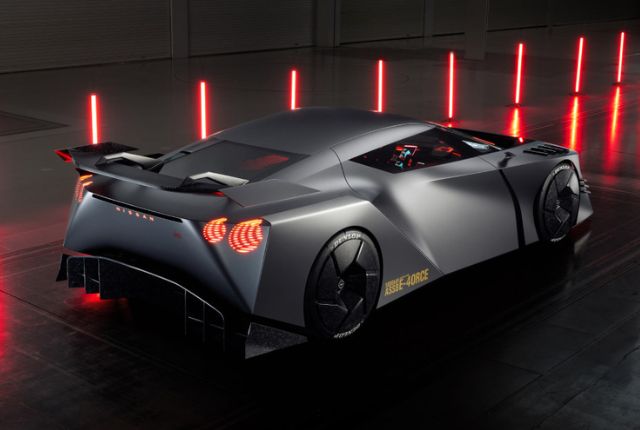
Now, hybrid systems introduce additional heat sources, such as the battery, inverters, and electric motors. So, aerodynamics and thermal management will also play a much larger role than before. Hence, the R36 could benefit from more active aero elements, advanced airflow channeling, and possibly even F1-inspired heat extraction strategies integrated into the bodywork.
Summing up, the new GT-R R36 will no doubt be a marked deviation from its predecessors, with more weight, a radical new design, and a host of added tech, though we imagine that last part to be de rigueur in the days to come. All we can do till then is wait with our fingers crossed.









Leave a Reply