


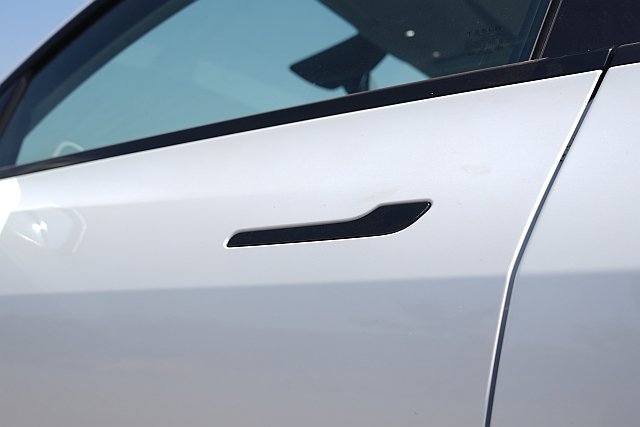
Flush-fitting door handles will be banned in China from 2027 onwards following the introduction of a new regulation in the interest of safety.
Story: Salman Bargir
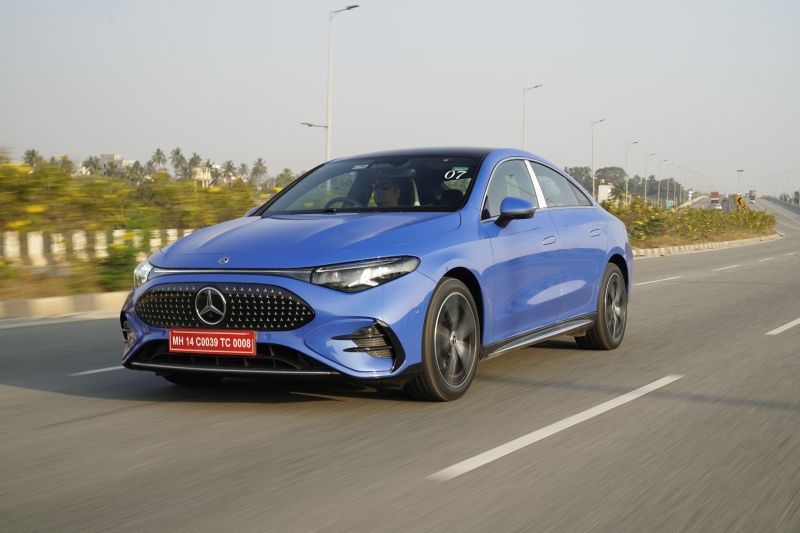
Flush-fitting door handles have become a popular design trend, offering a sleek and futuristic look. Typically integrated flush into the bodywork, some of these handles rely on electronic actuators for deployment or a manual push-to-open mechanism. However, a series of accidents in China and around the world have highlighted a critical safety drawback.
In a video of a crash that has gone viral on the internet, the electronically-operated door handles failed to deploy, likely due to a power supply cut to components. Passers-by smashed the glass windows and pulled out the occupants in the nick of time just before the vehicle became engulfed in flames.
Many electric and hybrid vehicles in China use these type of flush-fitting door handles. While mechanically operated designs generally continue to function reliably, the new regulation mandates that only vehicles equipped with a fail-safe mechanical release for both the interior and exterior door handles will be permitted for sale.
Meanwhile, car manufacturers globally, including those in the US and Europe, are under investigation following incidents involving similar door-handle designs. There have been reports of occupants being forced to break windows or windshields to escape from crash-involved vehicles after such door handles became jammed or inaccessible. These incidents have raised serious safety concerns regarding such door-handle designs.
In India, too, this trend has caught on with quite a few manufacturers here installing flush-fitting door handles on new car models. While aesthetics are a matter of personal choice, safety concerns raise an important question: should India also take a closer look at such designs and regulate them if necessary? This debate extends to the increasing reliance on touch-based panels replacing physical buttons, as well as the excessive addition of autonomous driver-assistance systems, which risk making drivers overly dependent on technology instead of enhancing their own driving skills.
In India too, this trend has caught on. Manufacturers here are installing flush-fitting door handles on new car models. While aesthetics are a matter of personal choice, safety concerns raise an important question: should India also take a closer look at such designs and regulate them if necessary? This debate extends to the increasing reliance on touch-based panels replacing physical buttons, as well as the excessive addition of autonomous driver-assistance systems, which risk making drivers overly dependent on technology instead of enhancing their driving skills.
















Leave a Reply