


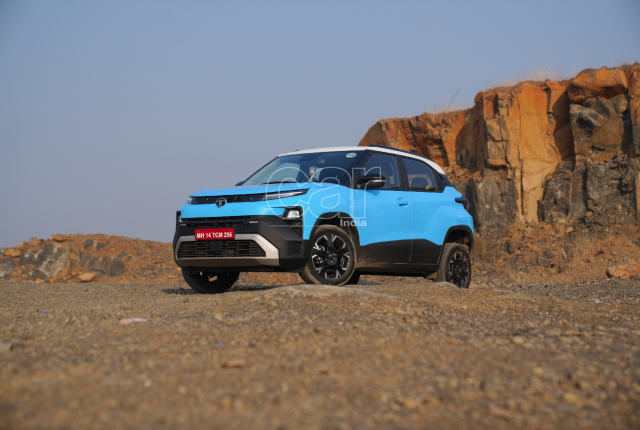
The Tata Punch gets a long overdue midlife refresh that also includes a more potent engine option and added convenience to the CNG variants. Is it enough to enhance this micro-SUV’s strong legacy?
Story: Gaurav Davare
Photography: Siddharth Dadhe
The Tata Punch has been well known for being a rugged and dependable entry-level SUV since it was first introduced in 2021. It’s now 2026, a long enough timeframe to warrant a proper midlife refresh. Well, that’s now a reality and it’s not just a simple nip and tuck with plenty of changes. Is it enough to enhance the strong legacy of the Punch? We got to spend some time with it on home turf to find out just that.
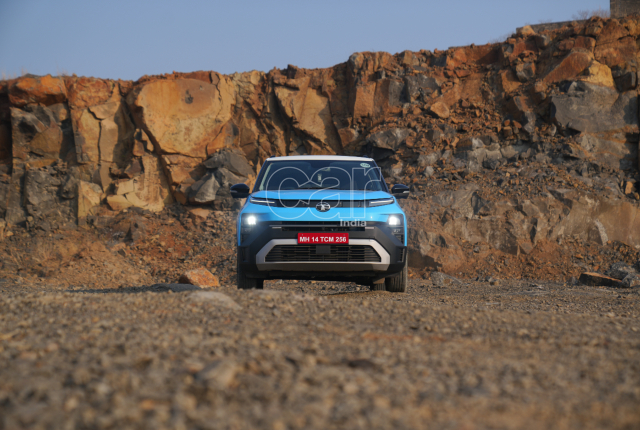
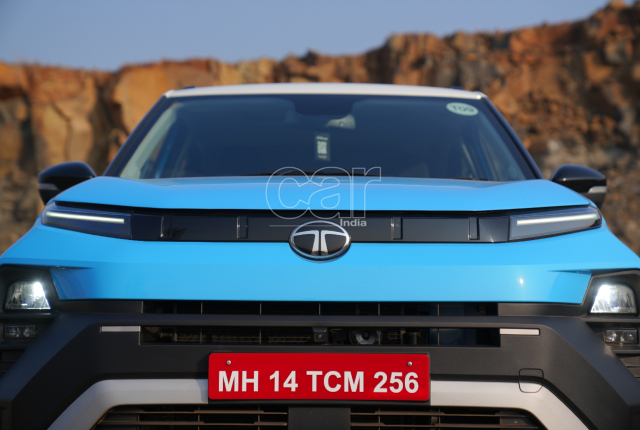
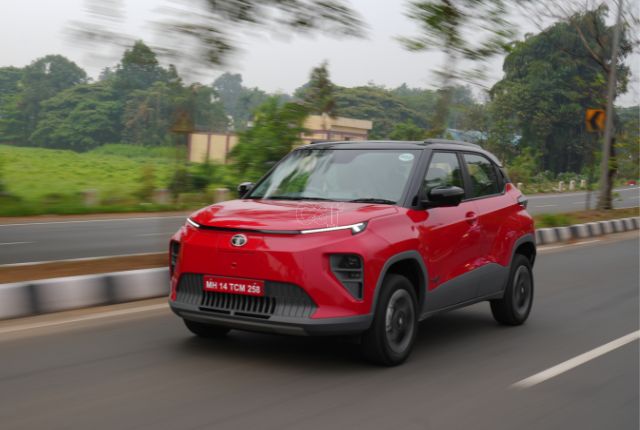
The facelifted Punch is actually a lot closer to its EV counterpart as far as exterior looks go. It looks more aggressive especially around the front fascia as the front grille is slimmer, and the DRLs are sleeker, although they’re not quite connected units like the EV. The headlamp cluster is a vertically stacked unit and the bumper looks more rugged with the faux silver skid plate. In fact, look closely at the corners of the bumper and you’ll notice air curtains to aid aerodynamic efficiency.
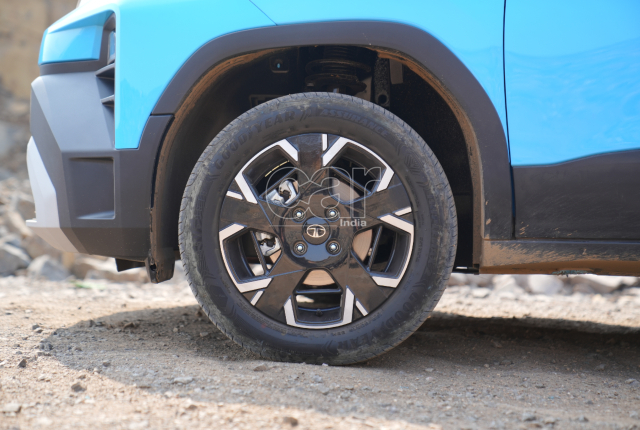
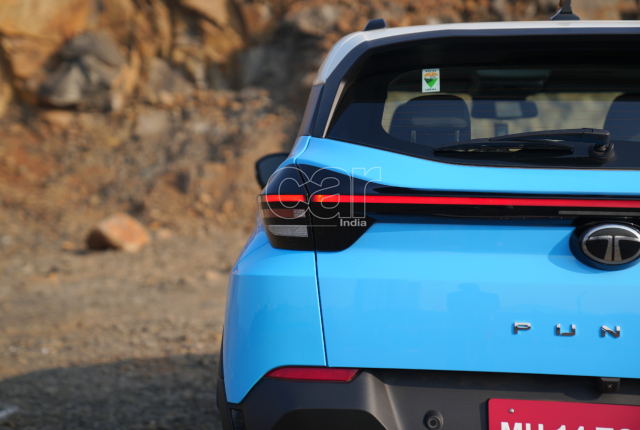
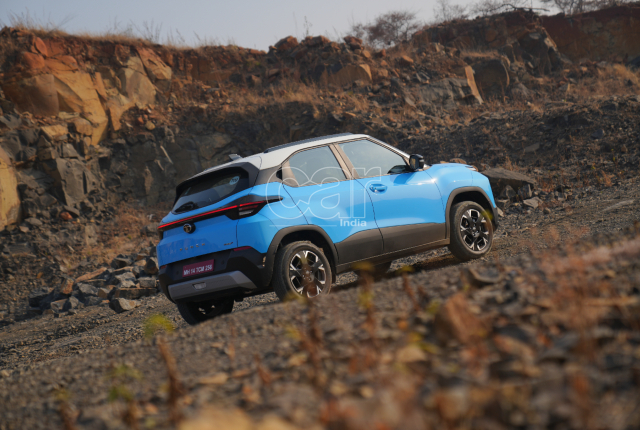
From the side profile, it’s still a boxy and rugged micro SUV, but the 16-inch alloy wheels look a fair bit nicer and modern thanks to a new dual-tone design. At the rear, the facelifted Punch differentiates from its EV counterpart with a connected lighting strip that looks sleek, the rear spoiler is a little longer and the bumper has been reworked to amp up the aggression. I particularly liked the new Cyantific Blue body shade, as it looks lighter and brighter than the Tornado Blue shade from the model it replaces and it really manages to stand out under real-world lighting. Overall, the Punch has gotten more aggressive without losing its rugged and boxy charm.
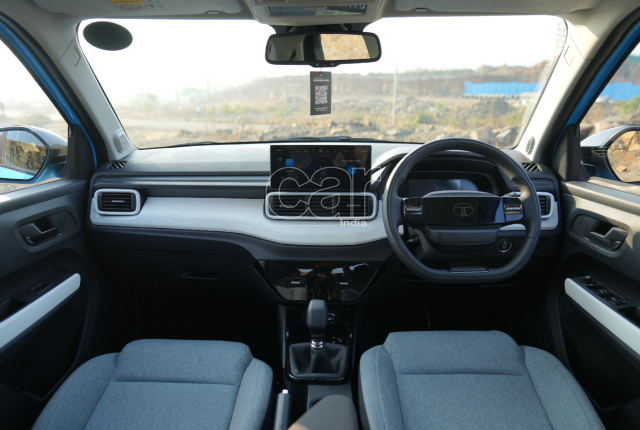
The similarities to the Punch ev get even more apparent once you step inside as it’s a dual-tone theme that extends to the door pads. There’s a new two-spoke steering wheel with the illuminated logo like its electric counterpart, but I’m not particularly a fan of the steering-mounted controls as they’re finicky to use. Also the physical climate control buttons have been replaced by this touch sensitive panel which isn’t my preference as they don’t feel tactile to use.
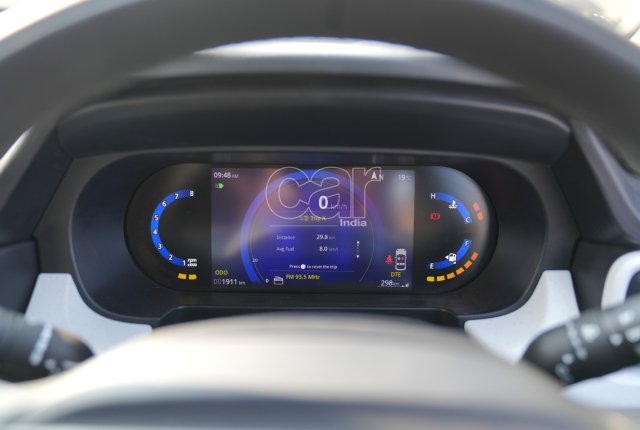
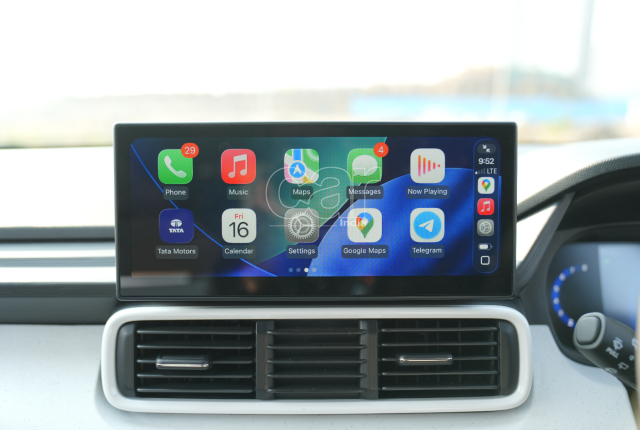
Of course the most notable changes include slimmer bezels for the 10.25- inch touchscreen infotainment screen which give it a sleeker, and we finally have a proper seven-inch digital drivers display that is easy to use as all the necessary car-related information is available without needing to cycle through menus. Another well-apprecitated addition is a 360-degree camera and a blind-spot monitor as the high-resolution and crisp colours make it a handy feature to use while parking in tight spaces or navigating chaotic traffic scenarios. Other incremental, but key gains come from a 65W Type-C charging port, an auto-dimming IRVM as well as ambient lighting, although it would’ve been nice if that wasn’t limited to the door pads and the footwell area.
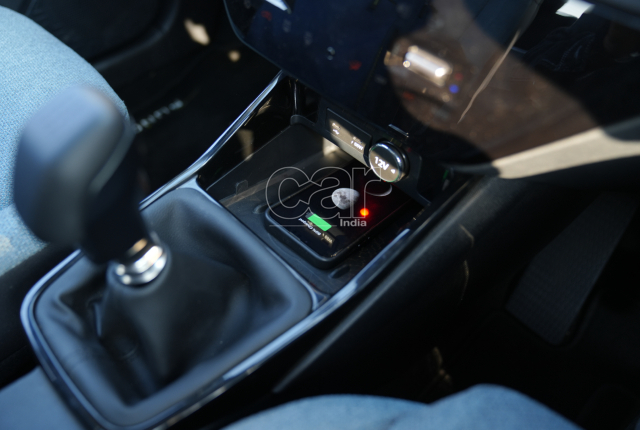
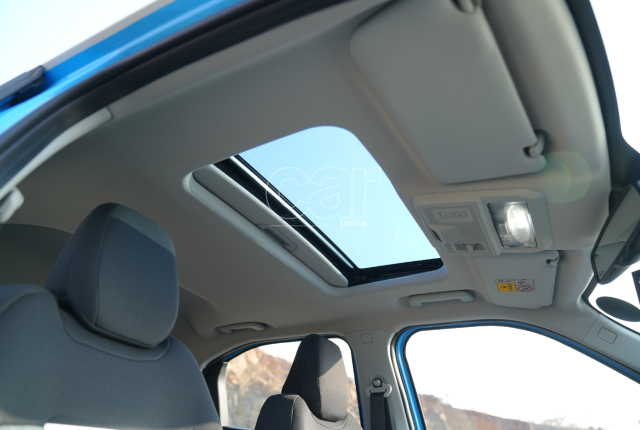
All these additions are a nice cherry on the top of a well thought out feature list that includes a wireless phone charging pad, a voice-activated sunroof, automatic headlamps, rain-sensing wipers, connected car technology as well as wireless Android Auto and Apple CarPlay connectivity. Oddly enough, the ICE Punch still doesn’t get the larger digital driver’s display nor front ventilated seats which are present in the EV.
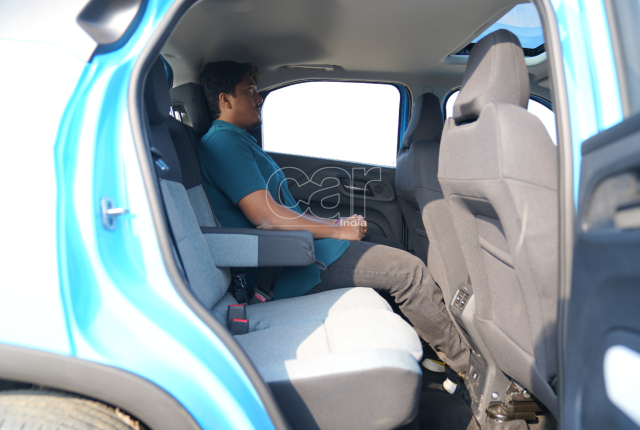
Even though there wasn’t really anything wrong with the seating experience, I don’t think anyone would complain if it was improved upon. That’s exactly what Tata Motors have done by enhancing under thigh support for both the front and rear seats. Fortunately, that hasn’t led to any compromises on the leg room at the front row and especially the rear row of seats as two average-sized individuals can be comfortably seated with enough room in all the necessary areas. Combine all this with a nice new blue-grey upholstery theme and the cabin is a nice place to be in.
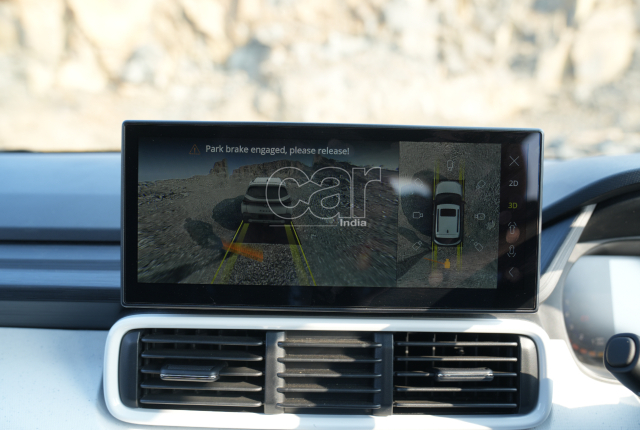
For safety, aside from the addition of a 360-degree camera and a blind-spot monitor, six airbags are now a standard fitment which is now a staple expectation in safety. This compliments other key features that include electronic stability control, auto-dimming IRVM, hill descent control, and a tyre pressure monitoring system. These key features have helped the Punch facelift as it has secured a five-star Bharat NCAP safety rating.
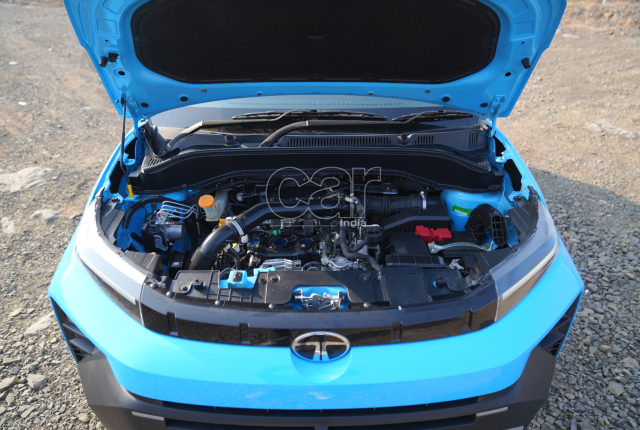
A key change has happened on the mechanical front. If there was one thing that ironically didn’t quite live up to the Punch name was its existing 88-hp 1.2-litre three-cylinder petrol engine. To try and solve that, Tata has added a 120-hp 1.2-litre turbo-petrol powertrain option from the Nexon. However, it is only available with a six-speed manual gearbox. Does this powertrain solve that one key weakness in the Punch? We had a nice mix of city driving and highway stretches to put it to the test.
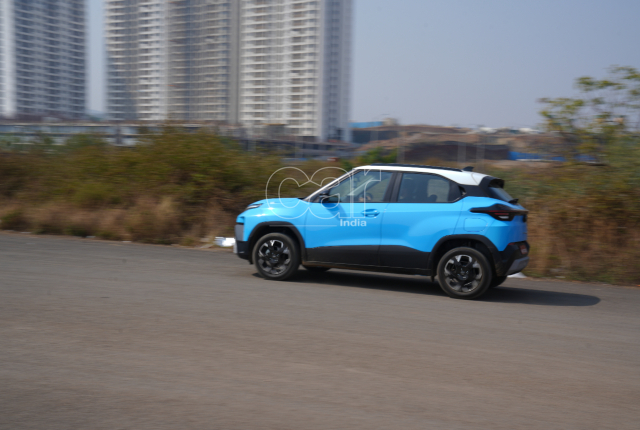
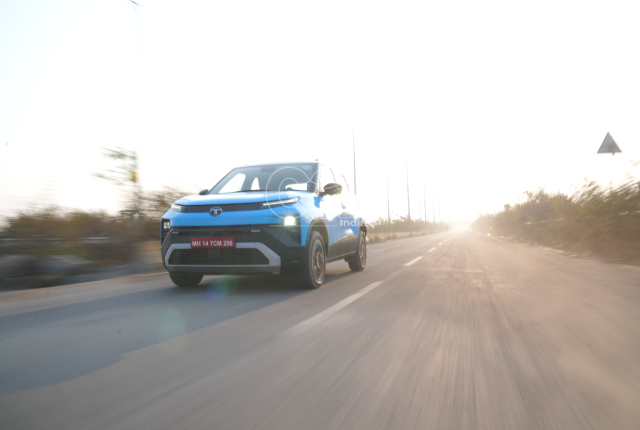
What’s immediately noticeable, and in a good way is the extra punch (no pun intended) the turbo-petrol option offers around the mid-range of the rev band, compared to before. This really comes in handy while executing quick overtakes, especially while executing a kickdown test from 20-80 km/h as you don’t need to drop down a gear to prepare yourself for an overtake. While there’s room for improvement in refinement when this motor is pushed hard, it is satisfactory at cruising speeds. Sure, this same engine isn’t the most enthusiastic of units on the Nexon, I feel like a smaller, lighter car like the Punch is much better suited to use this engine.
One would think, having a more potent engine, exclusively paired to a manual gearbox is music to the ears of the purists. Unfortunately, since this six-speed manual gearbox is sourced from the Nexon, the downsides have also been retained. By that I mean, the shifts feel clunky and the clutch bite point is too sensitive for my liking so you have to be very gradual in releasing the clutch. Overall, it’s not a fun experience with the third pedal, and one reason why I believe this 1.2-litre turbo-petrol engine option would’ve really benefitted by having an automatic gearbox option.
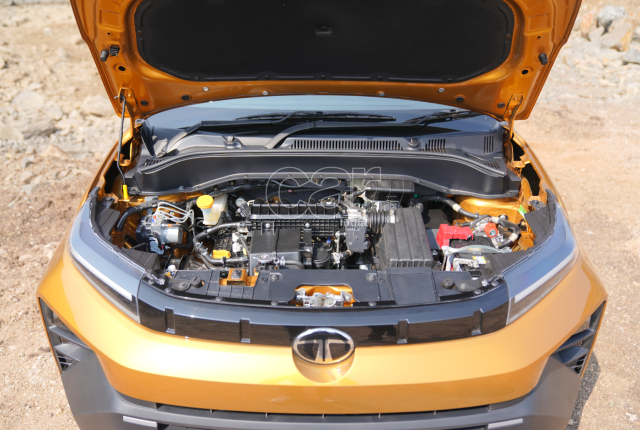
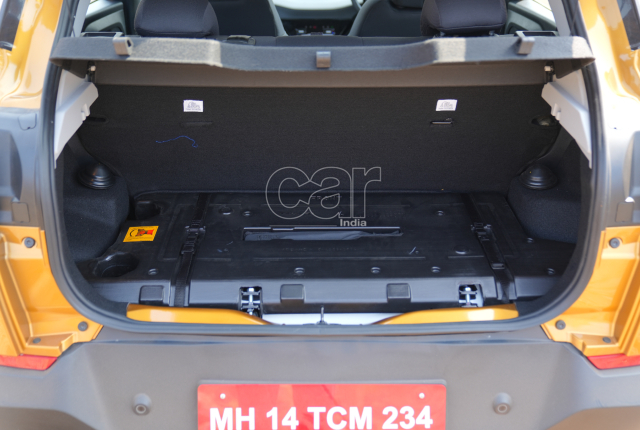
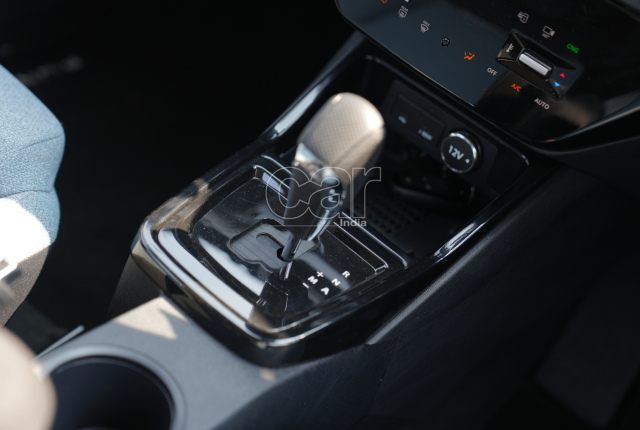
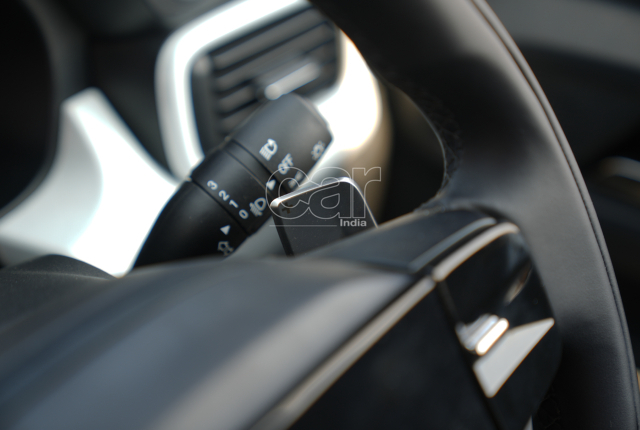
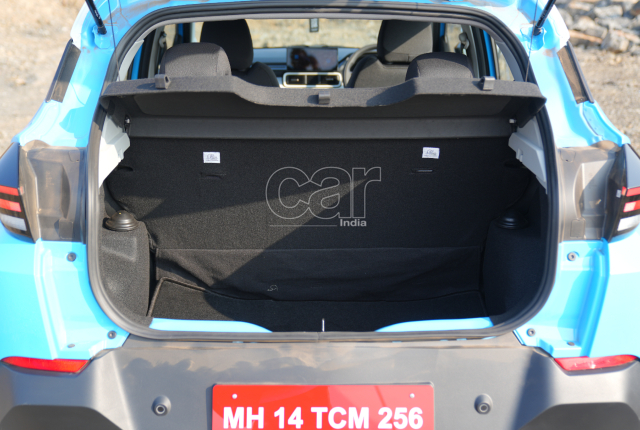
We’re not only driving the turbo-petrol powertrain as we also had the CNG option that has the 1.2-litre three-cylinder petrol engine, putting out 73.5 hp in CNG mode. That’s because the Punch CNG now gets a five-speed AMT gearbox and paddle shifters. Usually, one wouldn’t consider an AMT as the most fun of gearboxes, but on the Punch, it was very well refined. Yes, there is the usual AMT lag, especially when using the paddle shifters which goes up to about four tenths of a second, but there’s no sudden jerks during upshifts or downshifts as it is quite seamless. For the pure purpose of getting from point A to B hassle-free, this powertrain is nicely refined as well. This, on top of the seamless transition from CNG to petrol mode, means you get the best of multiple worlds, in the form of the convenience of fuel efficiency, the 210-litres of boot space from the twin-cylinder setup as well as the two-pedal experience. So the Punch CNG-AMT combination is a very easy setup to recommend.
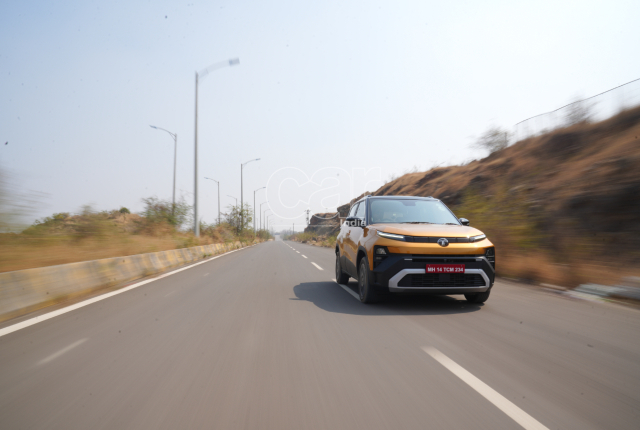
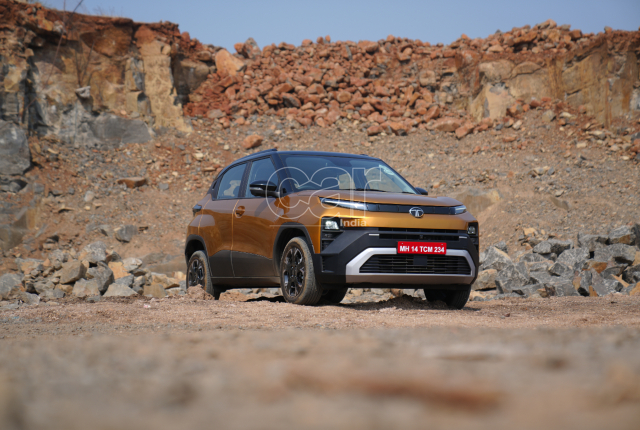
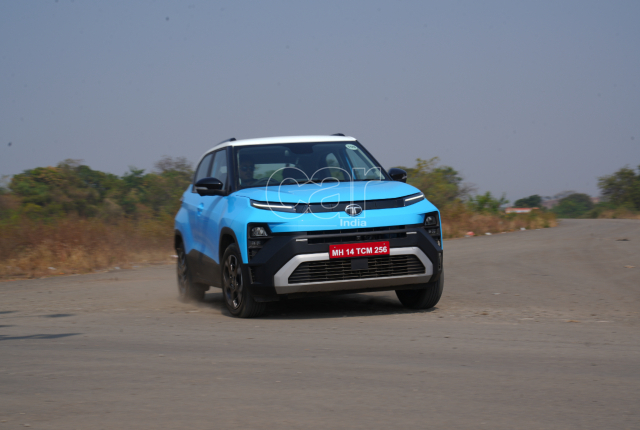
Nothing has really changed in terms of the suspension and damping, which isn’t a bad thing as the Punch was already well-sorted in terms of ride and handling. It’s lightweight and small stature means it is easy to navigate as a city commuter. The well-sorted chassis and suspension setup makes tackling broken roads, speedbreakers and some mild off-road challenges a fairly comfortable task and it remains nicely planted on highways and high-speed bends, further adding confidence while driving it. The 193-mm ground clearance is another positive point as you can comfortably navigate high speed breakers or mild rocky surfaces.
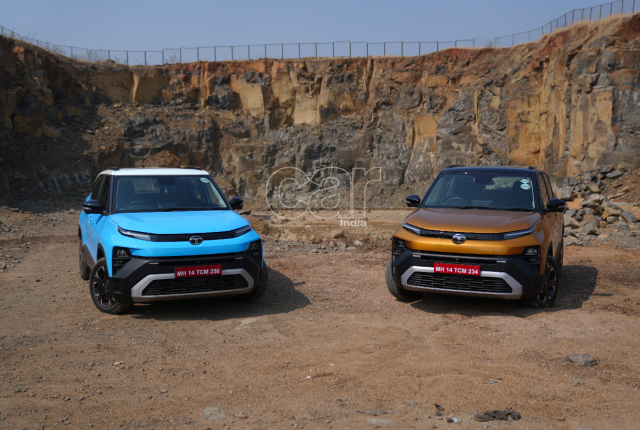
At prices ranging from Rs 5.59 lakh to Rs 10.54 lakh (ex-showroom), the facelifted Tata Punch has crucially managed to keep its prices in check while managing to offer more with this package. This includes fresh looks, more features, a punchier turbo-petrol option and the added convenience of a CNG AMT, allowing this micro SUV to appeal to a wider audience. Yes, there are still a few misses in the feature list and the six-speed manual gearbox experience paired to the 1.2-litre turbo-petrol engine could’ve been better, but the Punch remains a strong package. It should continue the good legacy to keep it competitive in its segment that includes rivals like the Hyundai Exter, Maruti Suzuki Ignis, Citroën C3 and the Nissan Magnite.











Leave a Reply