


The all-new Tata Sierra is a vehicle built for the new aspirational India, especially with its amazing design
Story: Salman Bargir
Photography: Sanjay Raikar
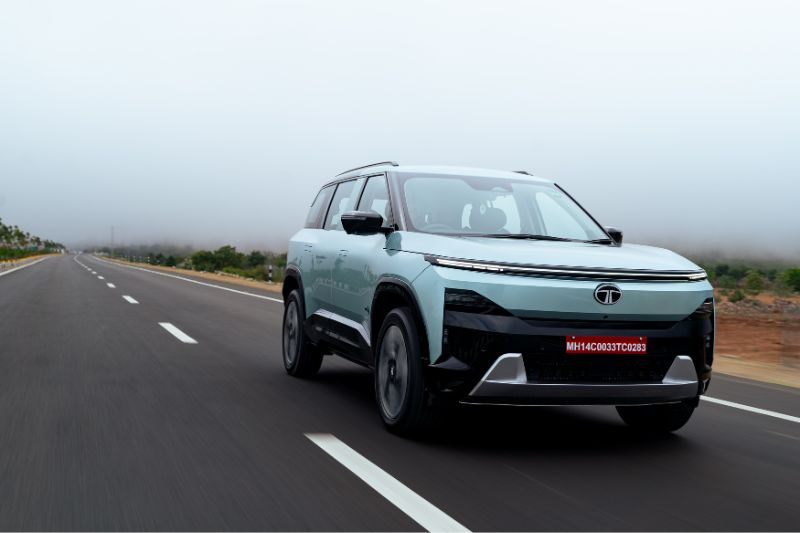
The Tata Sierra has a high nostalgic value, more so for those who have seen the original Sierra of yore in metal as kids or youngsters. It’s a design statement even in this era of Indian manufactured vehicles.
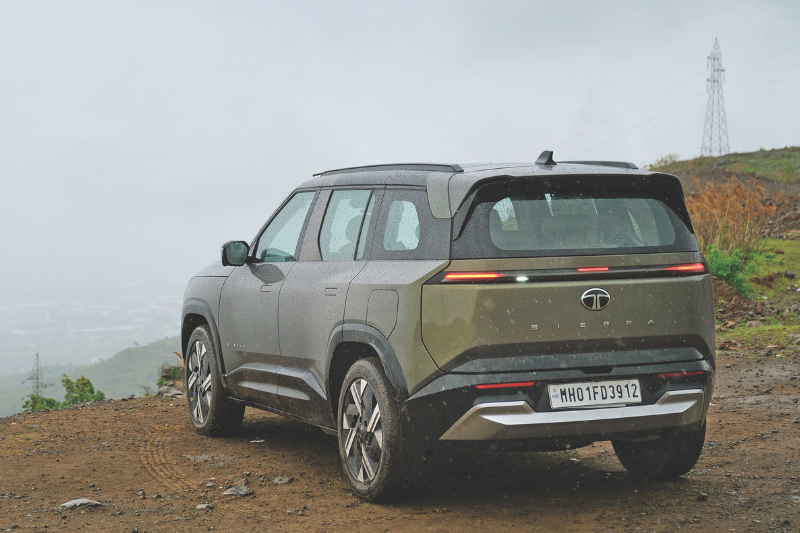
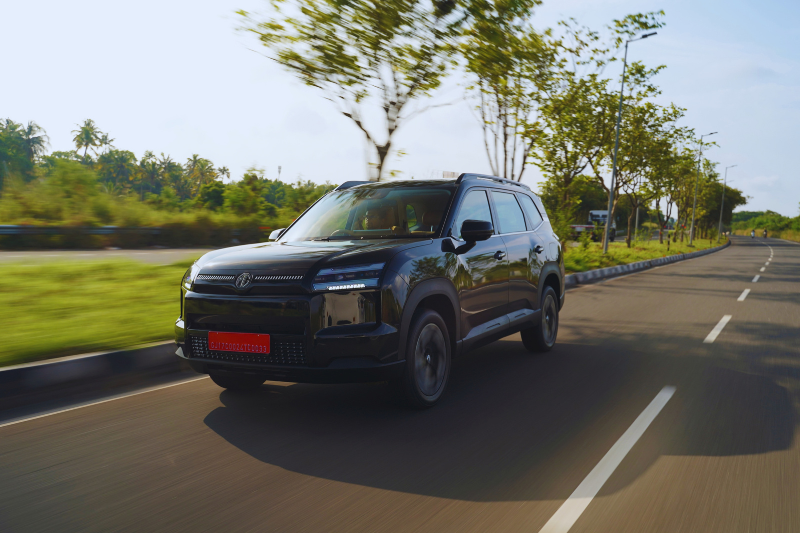
The all-new Sierra retains that hallmark rear moulded glass design, though Tata could not incorporate it the way it was due to regulatory measures, but has smartly integrated it by blacking out the elements around the section making it look identical. It has also pulled a design trick reserved for high-end cars like the Land Rover: the belt-line beading has been hidden to give it a glass-meets-metal look. Flush-fitting door-handles add to the aesthetics, but I found their push-and-pull operation to be inconvenient. However, an illuminated dot on each of the handles makes them easier to locate and operate in the dark.
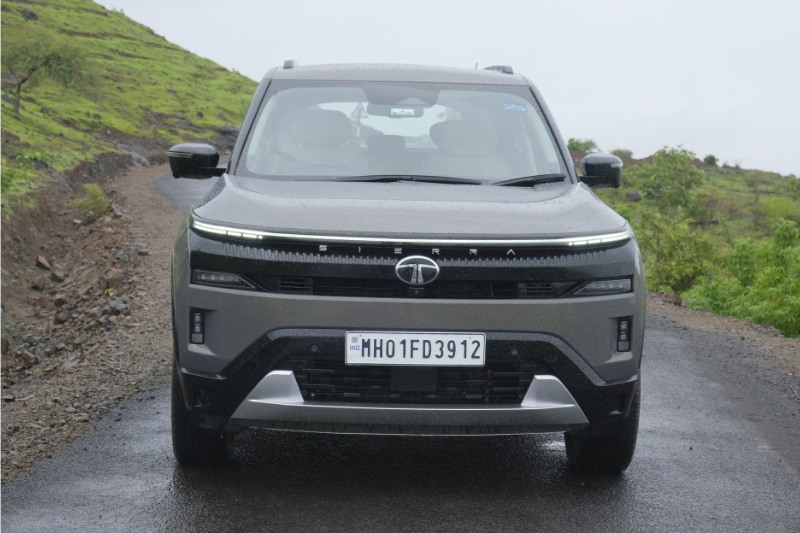
At the front, the ultra-thin headlights, which Tata calls “Night Saber”, measure just 17 millimetres in height and are probably the thinnest Bi-LED projector units fitted to a car manufactured in India. I got to test them one evening while going home in heavy rain, and they performed well with their wide and white beam. Together with the vertically stacked fog-lamps, the headlights provide good visibility. At the rear, the wiper is tucked beneath the spoiler, completing the car’s clean, clutter-free look.
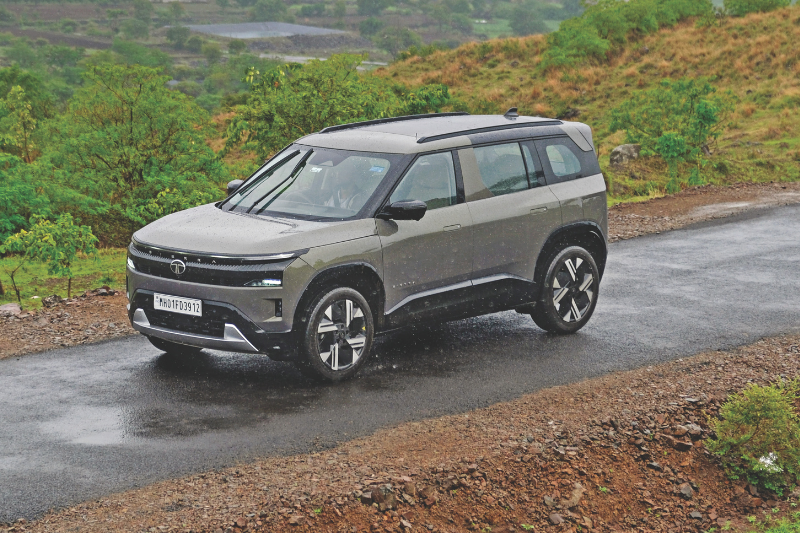
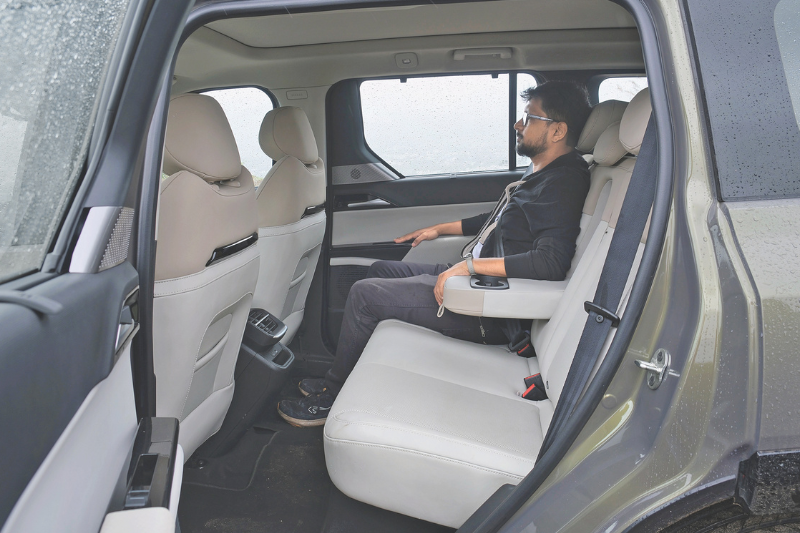
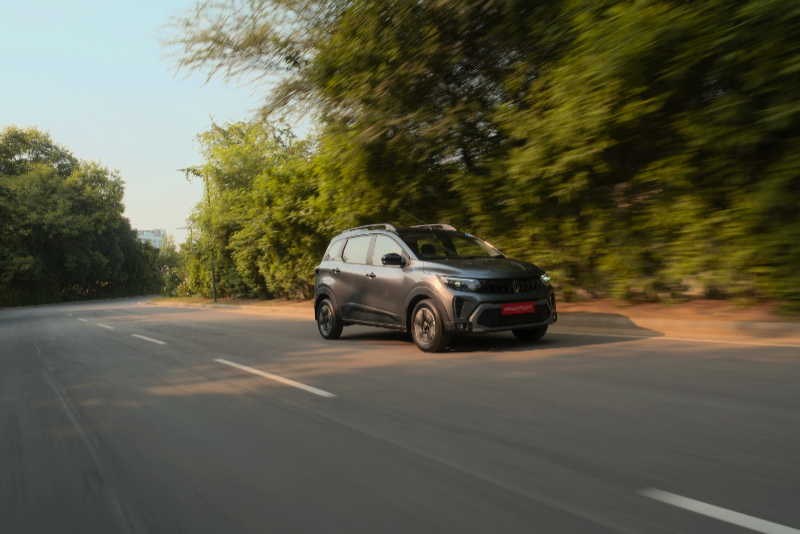
At more than 4.3 metres long, 1.8 metres wide, and 1.7 metres tall, the Sierra’s proportions are large and, together with its design, endow it with noteworthy road presence. Since its wheelbase is the largest in its segment, it translates into a spacious cabin and a class-leading 622-litre boot, which is further expandable to 1,257 litres by folding down the rear seats.
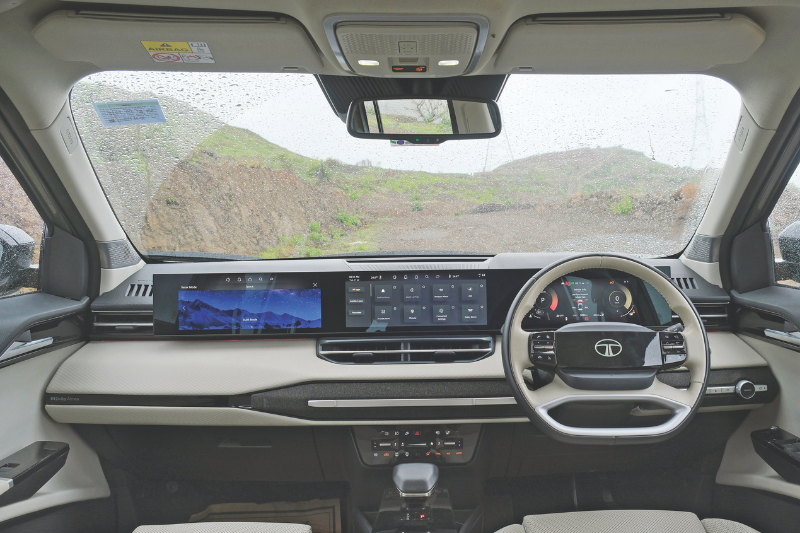
Speaking of the cabin, Tata has consistently worked to improve perceived quality over the years. The layered dashboard is pleasant to look at, though the fit-and-finish (and a few plastics that feel out of place) let it down. Otherwise, the textured surfaces, soft-touch materials, and textile finishes used across most of the cabin lend it a premium feel. While I personally prefer physical controls, I found the touch-panel relatively better to use compared to some of its rivals. The panoramic sunroof, the largest in its segment, lets in plenty of light, making the already spacious cabin feel even more roomy and airy.
While driving, the Sierra prefers to be treated gently, like a panda. Both its driving dynamics and ride are comfort-oriented. The steering stays light at lower speeds, making it easy to operate in the city, and it weighs up gradually as you build speed. Overall, it feels best when driven in a leisurely manner.
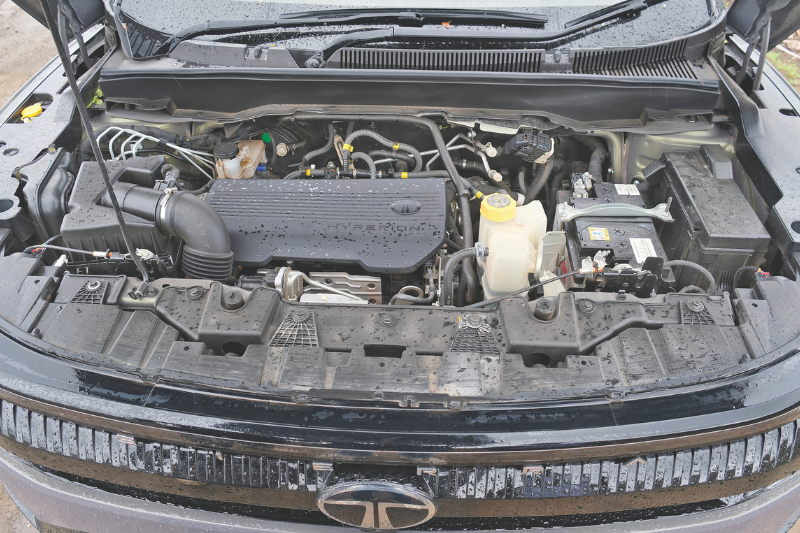
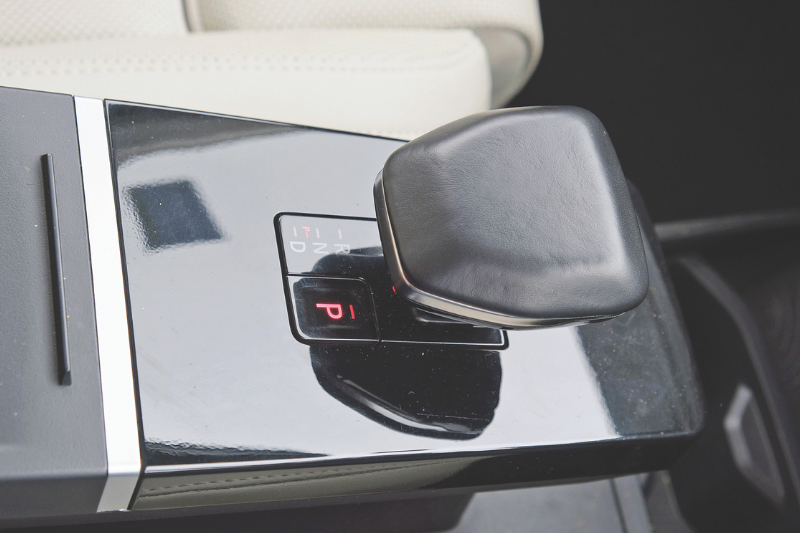
The Sierra comes with two driving modes. In City mode, the motor favours gentle accelerator inputs and relaxed progression. Similarly, the six-speed Aisin-sourced torque-converter automatic transmission favours a calm driving style, delivering smooth, jerk-free shifts. I preferred Sport mode, as the acceleration response and shifts were quicker, while the paddle-shifters also allowed manual gear-changes.
While I needed to be careful manoeuvring such a large vehicle in the city, I soon figured out how to beat the traffic in the Sierra. Let me start by thanking the people responsible for the deplorable condition of our roads. Yes, thanks, truly. Especially for those sections commuters generally avoid—the ones that shake the vehicle and its occupants inside out. I drove the Sierra over them to get ahead and simply kept moving, one after another. The suspension set-up, which Tata calls Superglide, features Frequency Dependent Damping. It allowed the SUV to absorb bumps with ease while remaining planted and comfortable.
The Accomplished+ variant we drove comes with 19-inch wheels shod with 255/55 tyres, which complement the ride quality while offering ample grip on wet surfaces. Braking is progressive, with the all-wheel-disc set-up bringing the large SUV to a reassuring halt.
One feature I particularly liked was the seatbelt preventive lockout, which prevents the parking brake from being disengaged until the driver’s seatbelt is secured. Even if you’re simply trying to park the car, it’s a thoughtful safety feature.
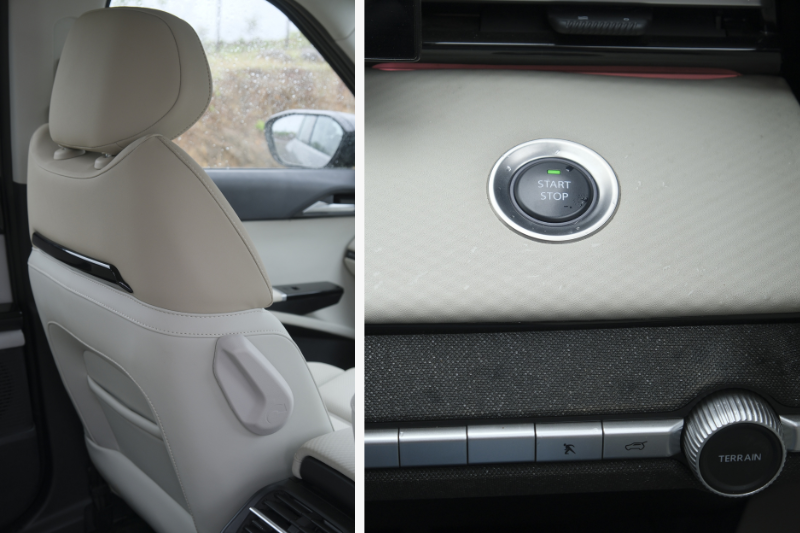
Enhancing the in-car experience is the 12-speaker audio system, which sounds really good. It also includes a soundbar cleverly integrated into the centre of the layered dashboard, just below the a-c vents. On the safety front, the Sierra has received a five-star rating in the Bharat New Car Assessment Programme (BNCAP) test and it comes equipped with features such as Level 2+ ADAS and six airbags.
A Red Dot Design Award winner, the Tata Sierra has plenty going for it beyond its striking design. It isn’t trying to be a sporty SUV; instead, it feels best suited to the gentler soul who prefers to take things easy and values comfort over outright driving excitement. Its spacious, feature-rich cabin makes it a pleasant place to spend time, while its distinctive styling gives it plenty of road presence.
There are a few niggles to contend with, but they could be easy to overlook. It may not be the SUV for those looking for thrills, but if comfort, space, features, and presence matter more, the Sierra makes a compelling case for itself.






Leave a Reply