


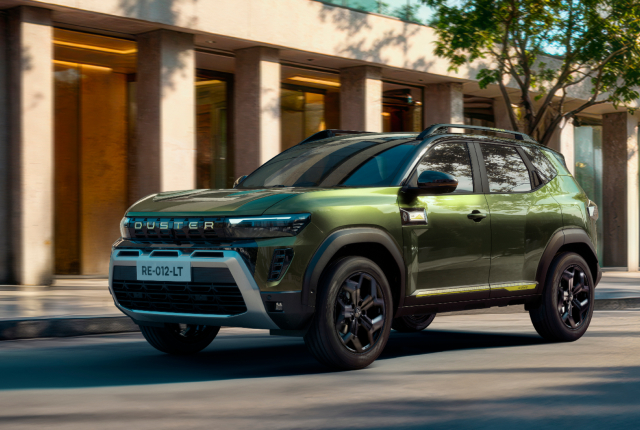
The long anticipated wait for the 2026 Renault Duster to show up in India is finally over and its latest iteration has some India-specific elements
The Renault Duster holds an important place not only in Renault’s but India’s automotive folklore, as this was the SUV essentially kickstarted the competitive mid-size monocoque SUV trend in the country. So when it was discontinued back in 2022, a comeback was awaited. Fast forward to 2026 and it’s actually happened in the form of the third-generation model. With pre-bookings now open via the R-pass at a token amount of Rs 21,000 and the prices set to be revealed in mid-March, the 2026 Duster is a notable leap forward from its predecessor.
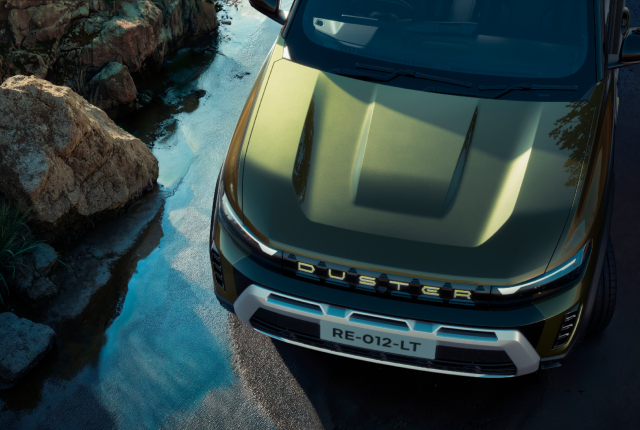
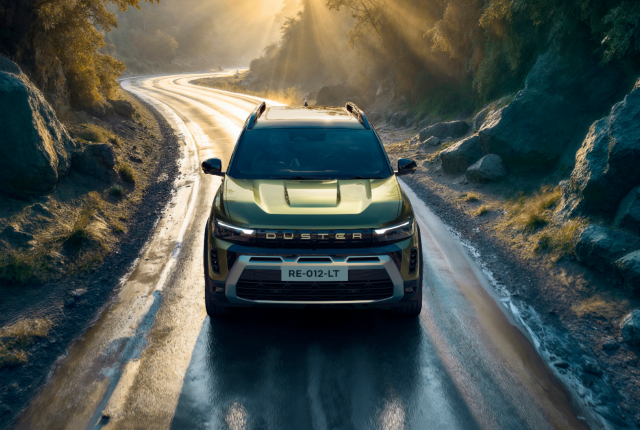
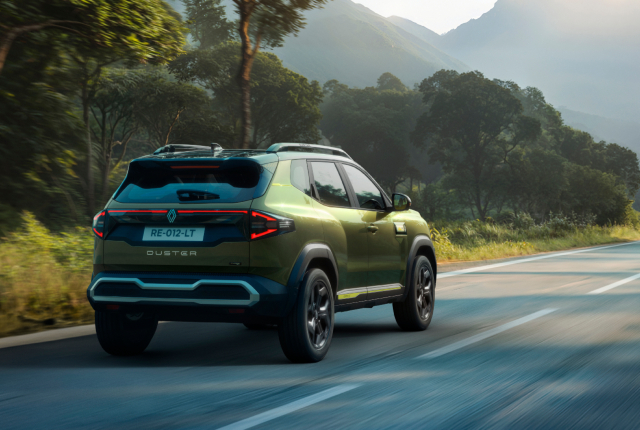
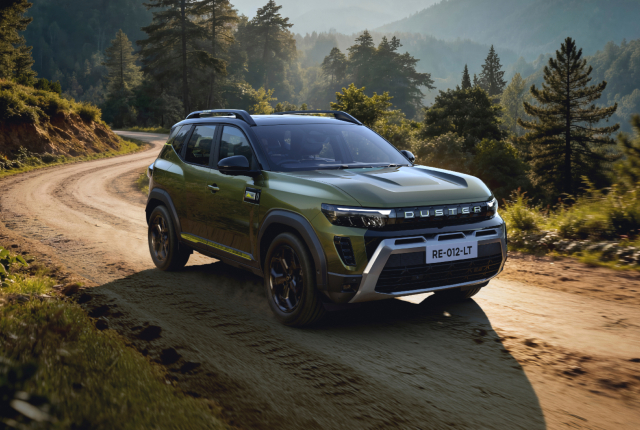
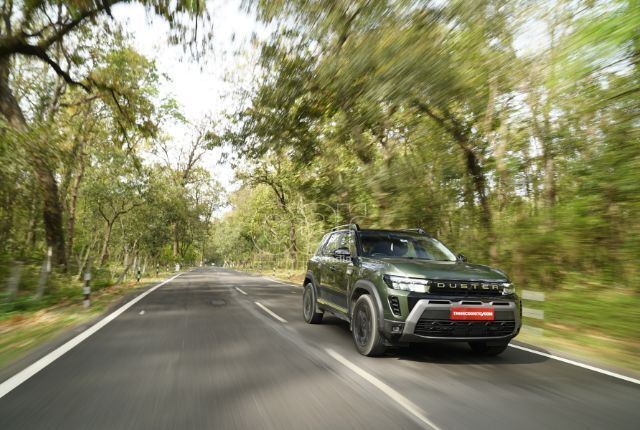
Yes, the 2026 Renault Duster is already sold in a variety of global markets including Brazil and Turkey, but the India-spec version actually has its own unique identity via a connected LED tail-light cluster, which isn’t there on the model sold abroad as it is a split-tail lamp setup. There’s also been slight revisions to the front and rear bumpers that look a tinge more aggressive than the model sold abroad. Also, the LED DRLs are a sleek bar instead of the Y-shaped units. As for the overall exterior look, it has quite a butch personality especially up front with the thick skid plate, upright bonnet, and overall boxy proportions. Notably there’s prominent Renault lettering on the front grille.
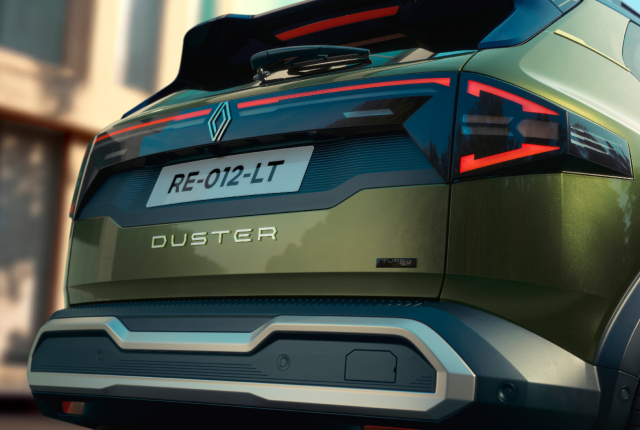
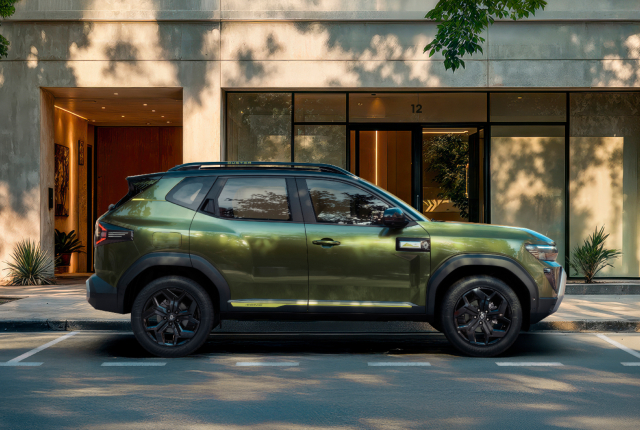
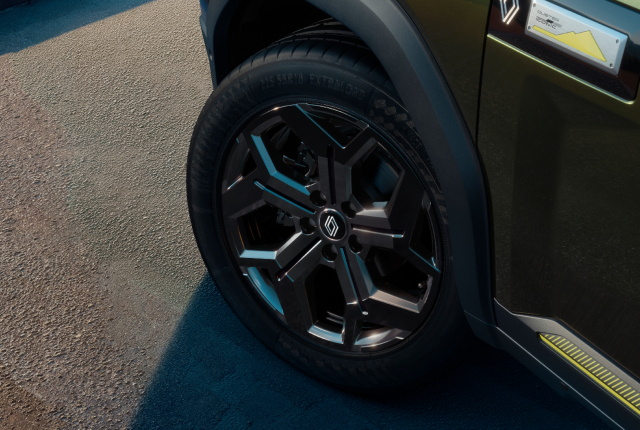
That proper muscular personality continues toward the side profile as there are quite prominently flared fenders, with a decent dose of cladding, as well as roof rails. Interestingly, the rear door handles are placed behind the window. Moving over to the rear-end of the 2026 Duster, it’s a fairly simple theme with a chunky skid plate, a raked rear windshield and a roof spoiler for that little extra modicum of sportiness. It can be had in the Jade Mountain Green, Pearl White, Moonlight Silver, Stealth Black, Sunset Red and River Blue body shade options.
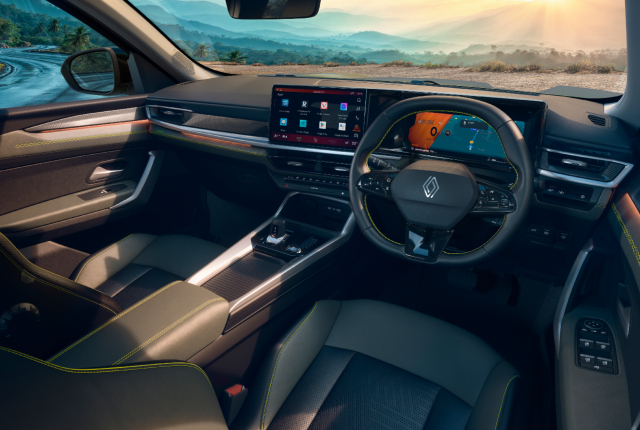
Step inside and the good news is that the new Duster continues the function over form philosophy from its predecessor as the overall layout looks fairly simple with a decent dose of physical controls. Don’t mistake this for being dated however, as the dashboard is upright and boxy with soft-touch materials giving off a premium feel. There’s also the modernity aspect which is actually different in the India-spec model as the digital screens are integrated units. They comprise a 10.1-inch touchscreen infotainment system, and a 10.25-inch digital instrument cluster. Practicality is also a boon as it boasts a boot capacity of up to 518 litres, that can extend up to 1,789 litres with the rear seats folded.
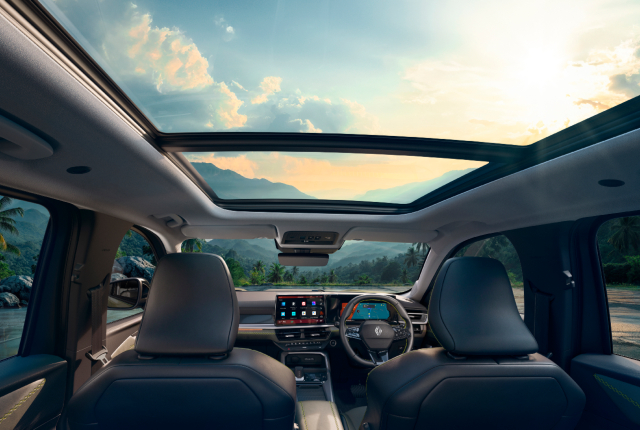
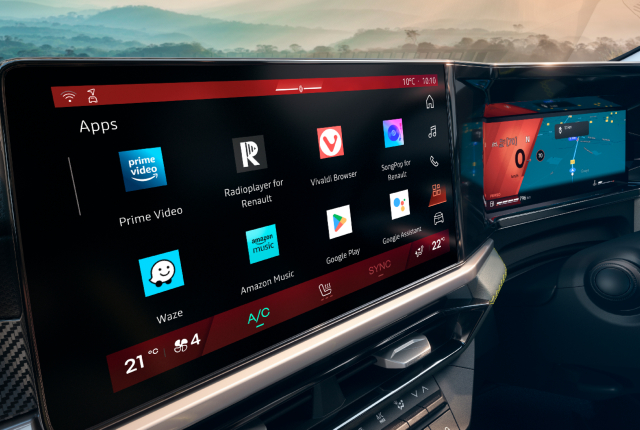
There’s a great deal of features onboard the 2026 Duster as they include the likes of built-in Google OS, automatic headlamps, six-way powered and ventilated front seats, dual-zone climate control, 48-colour ambient lighting, wireless phone charging pad, a six-speaker ARKAMYS sound system, an electric panoramic sunroof, a powered tail gate, two Type-C USB charging ports, rain-sensing wipers, and cruise control. Safety is covered by things like six airbags, a 360-degree camera with parking sensors, electronic stability control, hill hold assist, and an electronic parking brake with auto-hold. A key addition to the Duster is the ADAS suite of safety assists, making this the first Renault car in India to get it.
Built on the Renault Group Modular Platform, a multitude of powertrain options are available for the Duster in markets abroad, and the combination we get in India is a 160-hp 1.3-litre turbo-petrol unit with the option of six-speed manual and six-speed DCT automatic gearbox options. One can also opt for a 160-hp 1.8-litre strong-hybrid powertrain which is paired with an e-CVT automatic. The electric element for this unit also includes a 1.4-kWh battery pack that Renault claims, it allows up to 80 per cent of driving in pure EV mode in the city.
For those expecting more affordability, there’s the option of a 100-hp 1.0-litre, three-cylinder turbo-petrol engine, exclusively paired to a six-speed manual gearbox. Another option expected to be introduced soon is an all-wheel-drive option that is paired to the 1.3-litre mild-hybrid petrol engine, especially considering the Duster has been known for its rugged personality.
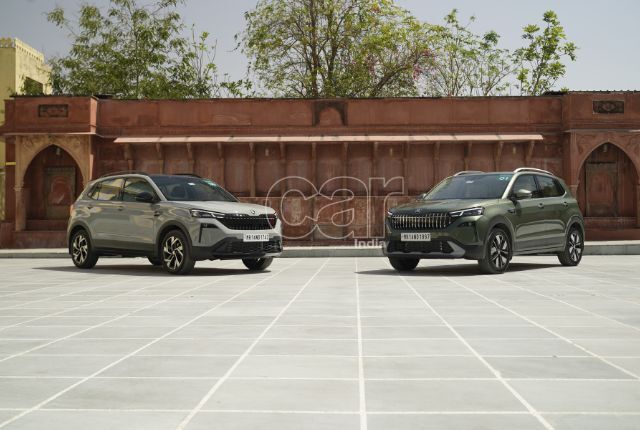
With the Duster name coming back after four years, this mid-size SUV has a lot of competition this time in its segment, with rivals like the Hyundai Creta, Kia Seltos, Maruti Suzuki Grand Vitara and Victoris, Tata Sierra, Volkswagen Taigun, Toyota Urban Cruiser Hyryder, Honda Elevate and the MG Astor. There’s also upcoming rivals like the Nissan Tekton based on the same underpinnings as well as the facelifted Skoda Kushaq.








Leave a Reply