


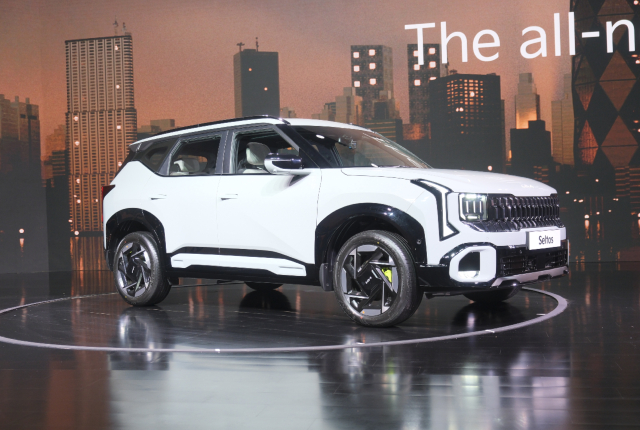
The 2026 Kia Seltos is overhauled inside and out with new looks, new features as well as the return of a gearbox option for a specific powertrain
The Kia Seltos doesn’t really need much of an introduction in India. It launched in 2019 to kickstart Kia’s India innings, and boy did this mid-size SUV do it with a splash with its bold approach to things, making it one of India’s favorite SUVs in this segment. Fast forward to the end of 2025, and it was long overdue for a generation update. Well, it’s now been revealed. Prices will have to wait until 02 January, 2026, but we know it will be offered in the HTE, HTE(O), HTK, HTK(O), HTX, HTX (A), GTX, GTX (A), X-Line and X-Line (A) variants and bookings will commence this midnight at a token amount of Rs 25,000. There’s plenty of changes with this latest iteration of the Seltos, and here’s a deep dive on all of it.
Looking at it from the outside, Kia has done a fair bit to differentiate the 2026 Seltos to its predecessor, starting with a fresh face that looks more boxy and upright, with a fairly large front grille that has quite a busy mesh design. This is flanked by a now vertical setup for the LED DRLs, and the LED headlights are now reworked and properly blending with the front grille. Elsewhere around the face, the bumper is even busier than before especially with the chunky housing surrounding the fog lamps.

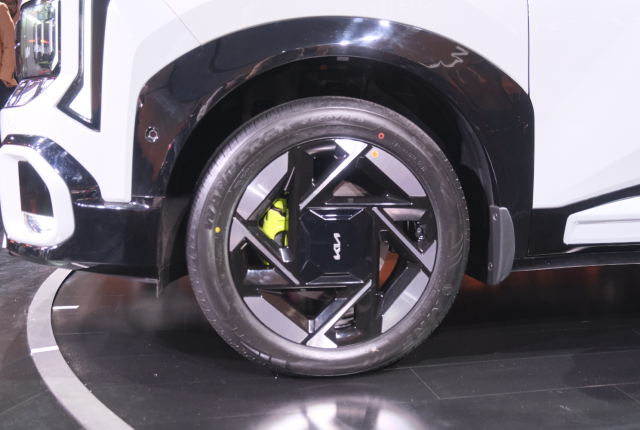
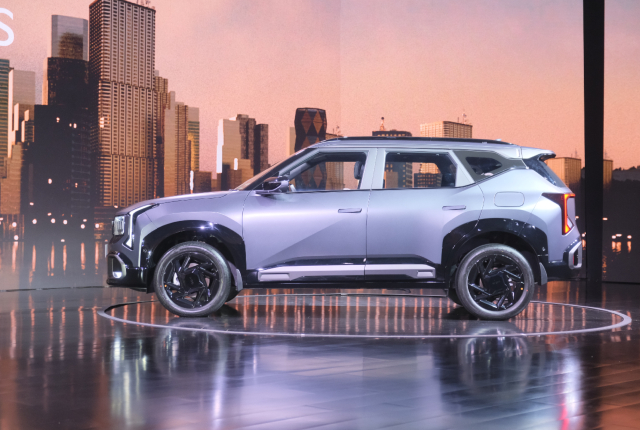
There are gains dimensionally as the 2026 Seltos is 95-mm longer, 30-mm wider and 10-mm shorter, with an 80-mm longer wheelbase and 10-mm more ground clearance. Moving over to the side, the 2026 Kia Seltos’ silhouette looks largely familiar, albeit a little more upright and boxier especially towards the rear and the nose. The more noticeable changes are the 18-inch wheel design, which according to this author doesn’t quite seem as striking as one present on the predecessor. Elsewhere, the side doors get a proper garnish with body coloured accents, and more importantly, the 2026 Seltos now gets flush-fit door handles to add a bit of sleek flair to the exterior. The rear is a lot cleaner than before, especially as the license plate housing has moved to the rear bumper instead of the rear tail gate. The main highlight here is the connected LED light strip that is a close resemblance to the Kia Carens Clavis.
There’s also four new monotone shades in the form of Morning Haze, Magma Red, Frost Blue and Ivory Silver Gloss to join the existing options of Pewter Olive, Imperial Blue, Gravity Gray, Aurora Black Pearl (Also available in X-Line), Glacier White Pearl and Xclusive Matte Graphite (X-Line). As for the dual-tone options, there’s the Glacier White Pearl/ Aurora Black Pearl or the Magma Red/ Aurora Black setup.

Just as the exterior has undergone a big change, the cabin too has been refreshed. The vertical side AC vents are now horizontal units that run along the dashboard with the central AC vents as a connected piece. There’s an all-new three-spoke steering wheel design that looks chunkier than before. Good news, there’s still a healthy dose of physical controls all over in an age where minimalism is the dominating trend. The cabin materials have also been updated including the seats with significant cushioning on the front headrests.
Unsurprisingly, there are a boatload of features onboard the 2026 Kia Seltos such as a dual-pane panoramic sunroof, 10-way powered driver’s seat with powered lumbar adjustment and a memory function, 64-colour ambient lighting, wireless phone charging pad, a 360-degree camera, six airbags, front ventilated seats, dual-zone climate control, Level-2 ADAS, and eight-speaker Bose audio system, as well as a ‘Trinity Display’ similar to the Kia Syros, with Android Auto and Apple Car Play connectivity.
One thing that does remain untouched are the powertrains on offer. This includes a 115-hp 1.5-litre naturally aspirated petrol engine, a 160-hp 1.5-litre turbo-petrol engine and a 116-hp 1.5-litre diesel engine. A six-speed manual gearbox is standard for the naturally aspirated petrol and diesel engines, but the turbo-petrol engine sees the return of the six-speed iMT option to be offered alongside the existing seven-speed DCT. As for the other automatic gearbox options, there’s the option of the IVT for the naturally aspirated petrol engine and a six-speed torque converter unit for the diesel motor.

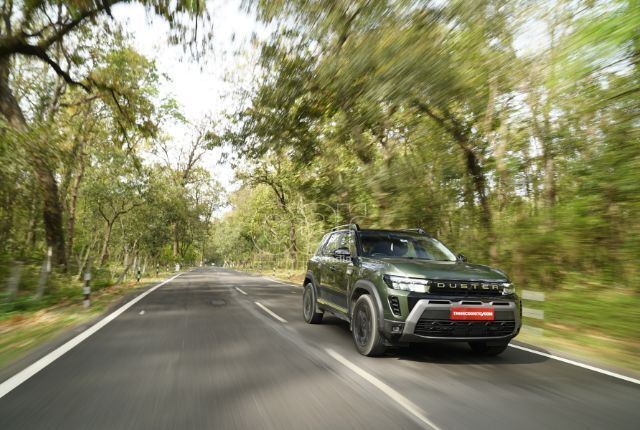
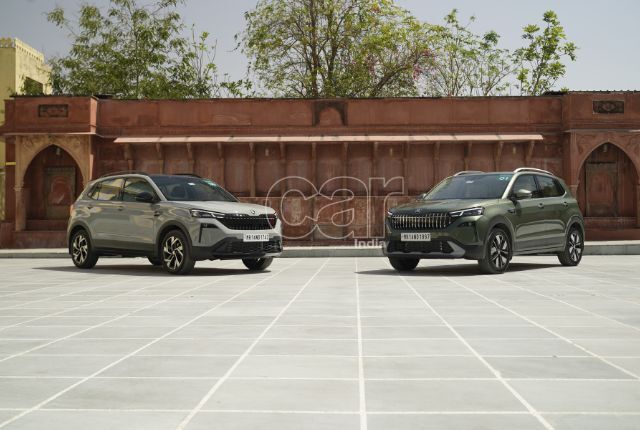
With such a comprehensive change in the 2026 Kia Seltos, expect a fair premium on the pricing over its predecessor that could be had from Rs 10.79 lakh to Rs 19.81 lakh (ex-showroom, India). Also expect it to rekindle its intense rivalry in the mid-size SUV segment against the likes of the Hyundai Creta, the MG Astor, Maruti Suzuki Victoris and Grand Vitara, Toyota Urban Cruiser Hyryder, the Honda Elevate, the Volkswagen Taigun and Skoda Kusaq, as well as the recently launched Tata Sierra. Renault is also set to join this packed segment with the 2026 Duster.









Leave a Reply