


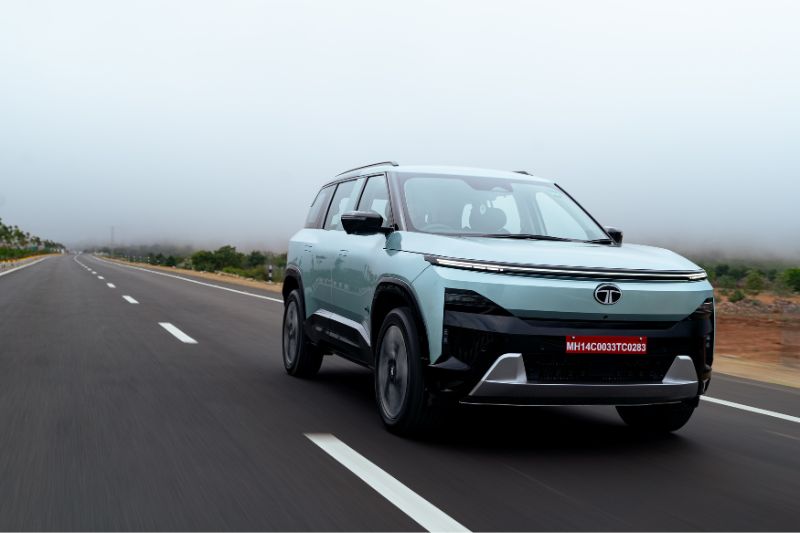
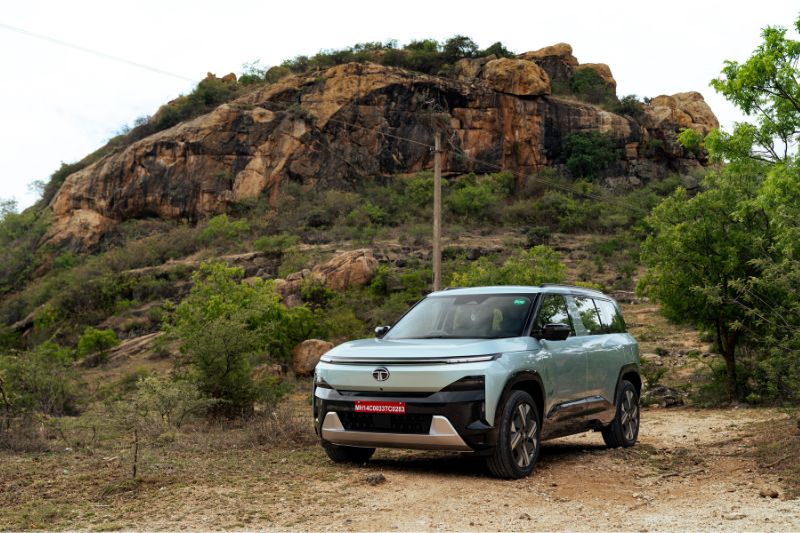
The electric avatar of the new Tata Sierra is more function than form
Story: Anvay Mahajan
Photography: Chirayu Gijare
Last year, Tata put a full stop to the recurring “When is the Sierra making a comeback?” question by actually launching it. For years, it had been a running joke among automotive journalists and enthusiasts, with speculation constantly swirling about whether the legendary nameplate would ever return. Tata silenced that speculation for good, and the design alone was enough to make the new Sierra a viral sensation online. Barely six months later, Tata unveiled the all-electric Sierra.ev. Surprisingly, despite being launched so soon after the internal combustion engine (ICE) version, the electric vehicle (EV) didn’t generate the same excitement, perhaps because of the “.ev” badge. But, personally, I feel this electric avatar is better than its ICE counterpart.
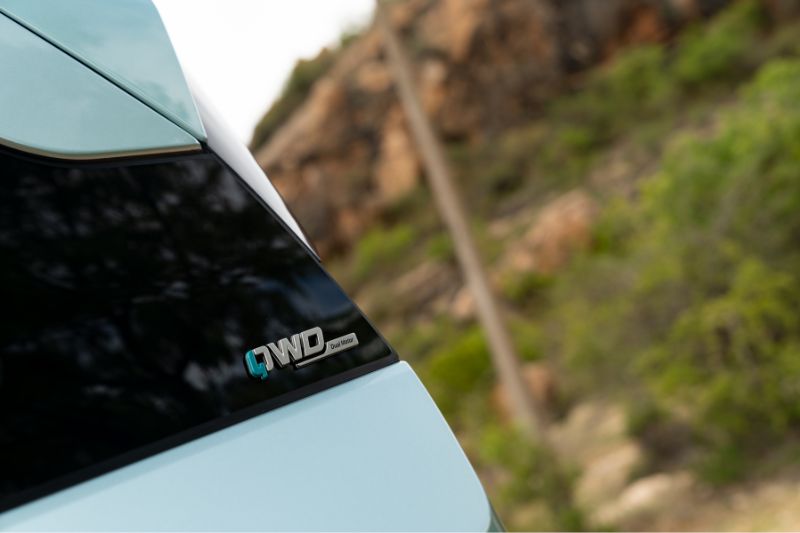
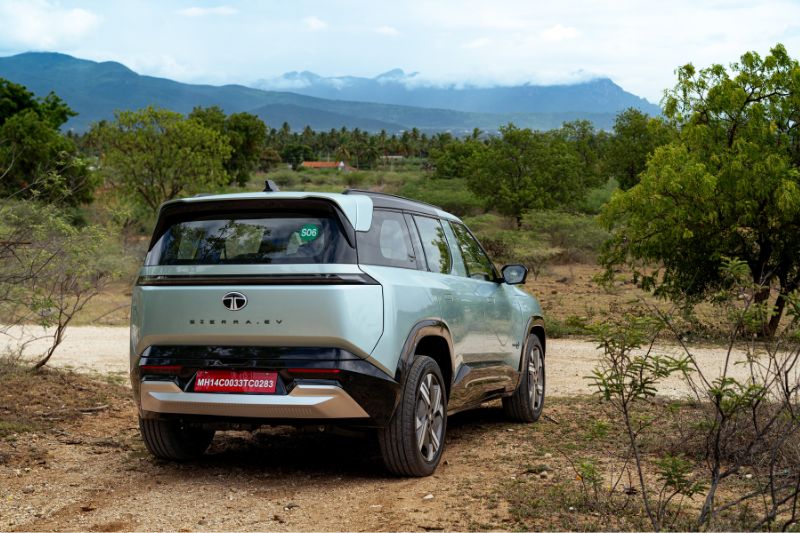
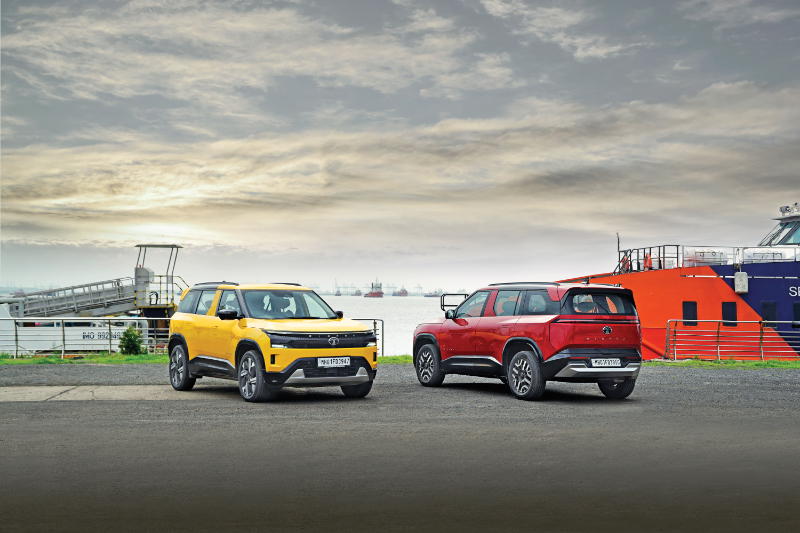
Built on Tata’s Acti.ev+ architecture, the Sierra.ev keeps styling changes to the minimum as compared to the petrol/diesel version. The grille disappears in the absence of an engine, and the front bumper gets a redesign. On the side, the distinctive glass panel on the C-pillar remains, now joined by Tata.ev and QWD Dual Motor badges, while on the rear, Sierra.ev badging reminds us again that this is an EV. Colour choices get carried over from the ICE model, plus there are two EV-exclusive shades: Nainital Nocturnal and Rishikesh Rapids. Practicality gets a boost, too, with a 622-litre boot supplemented by a 55-litre “frunk”. Opening the traditional fuel flap reveals an illuminated charging port that uses different coloured lights to indicate the charging status. The port also supports Vehicle-to-Load (V2L) and Vehicle-to-Vehicle (V2V) functionality, allowing the Sierra.ev to power external devices or even charge another compatible electric vehicle.
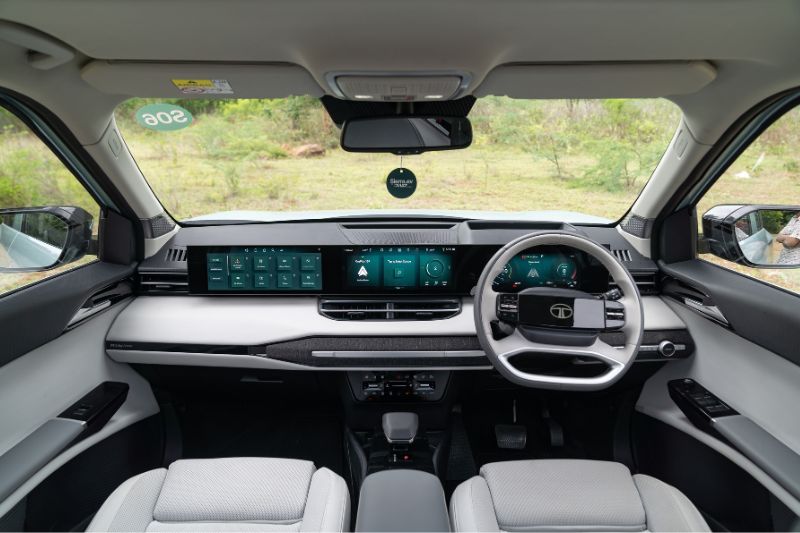
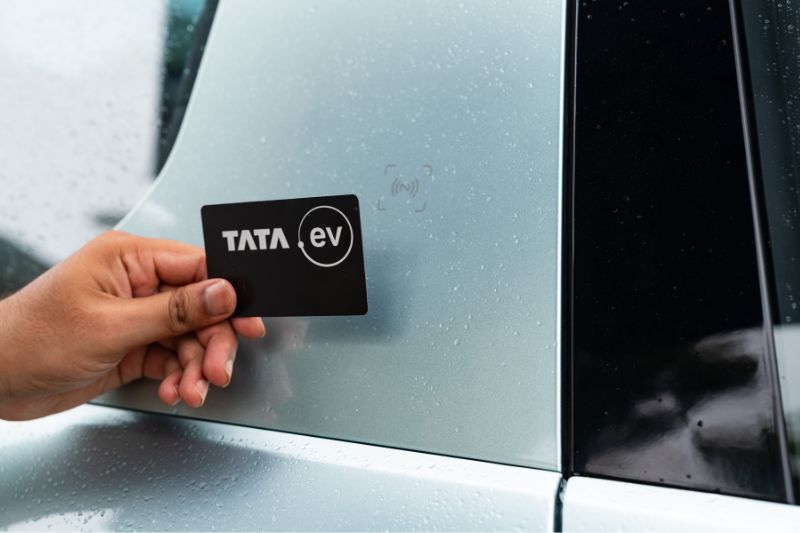
Inside, the familiar triple-screen layout returns with an EV-tailored interface, and the top-spec models now include a head-up display as standard, which is something the top-spec ICE Sierra lacked. Interior quality feels more solid. The infamous floating arm-rest, one of the most censured elements in the Sierra, now feels far more robust, indicating Tata has worked on improving the overall build quality. Gimmicks include an AirConsole gaming feature for multiplayer games during stops, a Summon function borrowed from the Harrier.ev, and both a traditional key fob and NFC card entry.
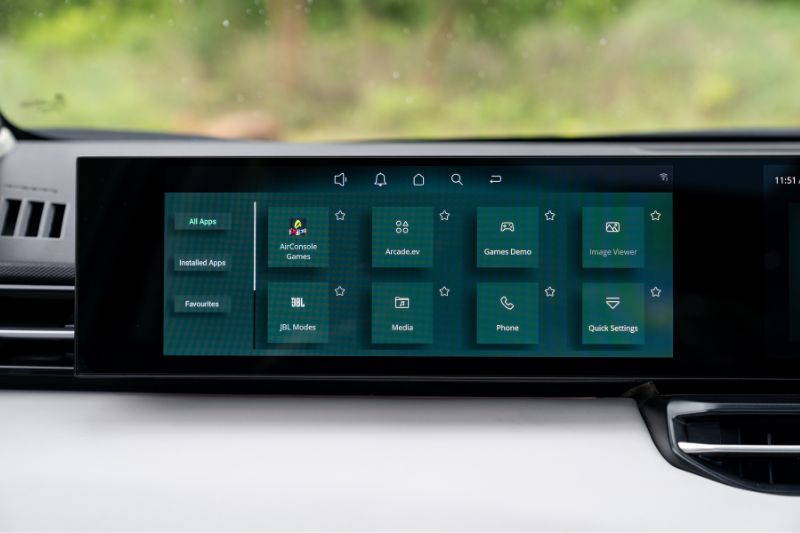
The Sierra.ev also features India’s first EV route planner integrated within Android Auto. It can predict the battery percentage at the destination, estimate charging time, and intelligently plan charging stops en route. During our drive, we actually encountered one station but were not recommended to use it as the battery was still sufficiently charged.
Watch our first drive impressions:
Two battery sizes are on offer: 63-kWh and 75-kWh LFP battery pack. The test unit was the larger 75-kWh pack paired with the QWD Dual Motor set-up, though the claimed MIDC range of 665 kilometres applies only when in rear-wheel drive and Eco mode. During a 102-km-long test drive in mixed conditions, the battery dropped by roughly 27 to 28 per cent.
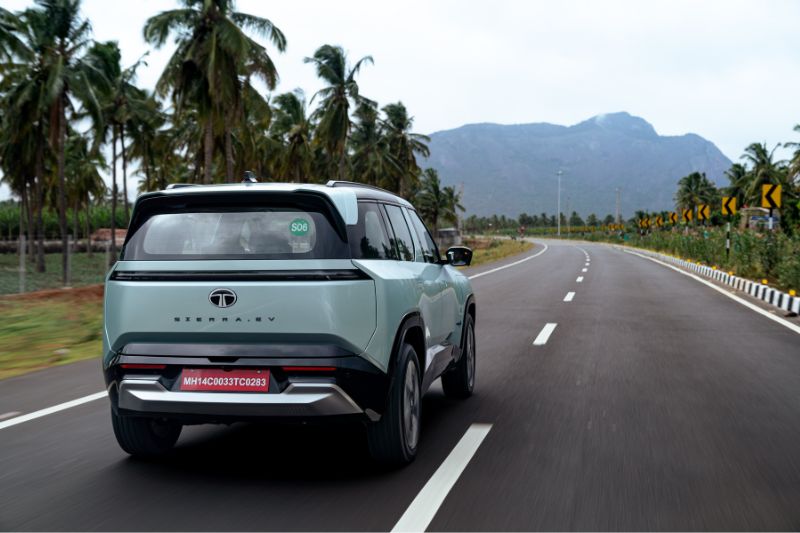
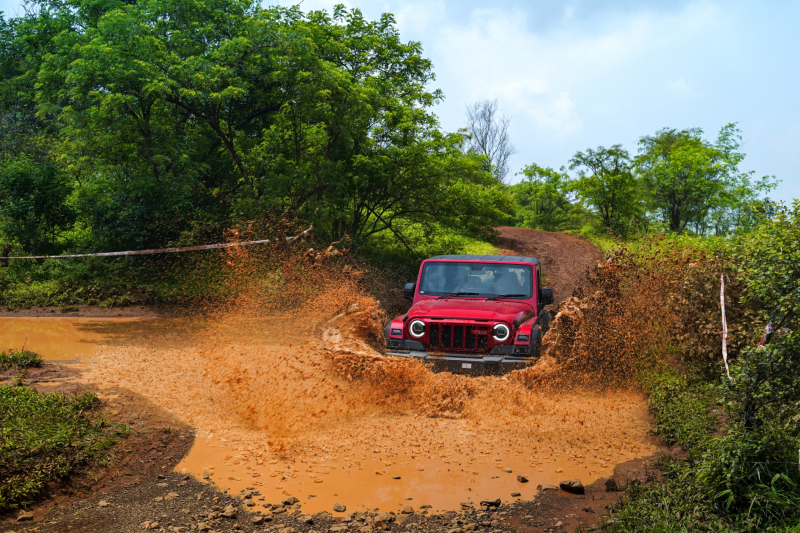
Power output differs by drivetrain: the RWD version makes 175 kW (237.93 hp), while the AWD has 103 kW (140 hp) extra at the front axle with a combined 306 hp across both motors. Drivers get three drive modes, six terrain modes, and three levels of regenerative braking. On a closed circuit, engaging Boost mode with three occupants aboard resulted into a 0-100 km/h time of 6.02 seconds. We also sampled the Sand, Mud/Ruts, and Rock Crawl modes during an off-road course. The Sand and Mud/Ruts mode is something which might come handy during short journeys to my farmhouse. The 540-degree camera with transparent car view proved genuinely useful, both off road and while squeezing into tight parking spots, although visibility around the left A-pillar and front left corner could be better.
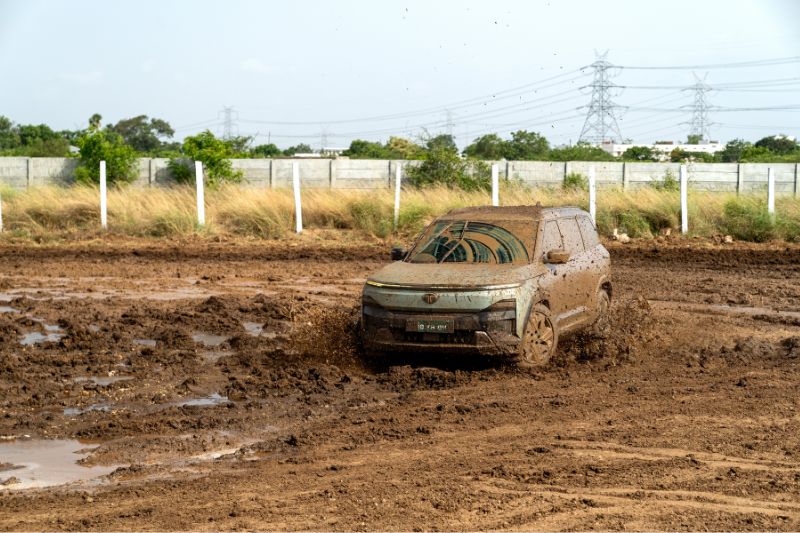
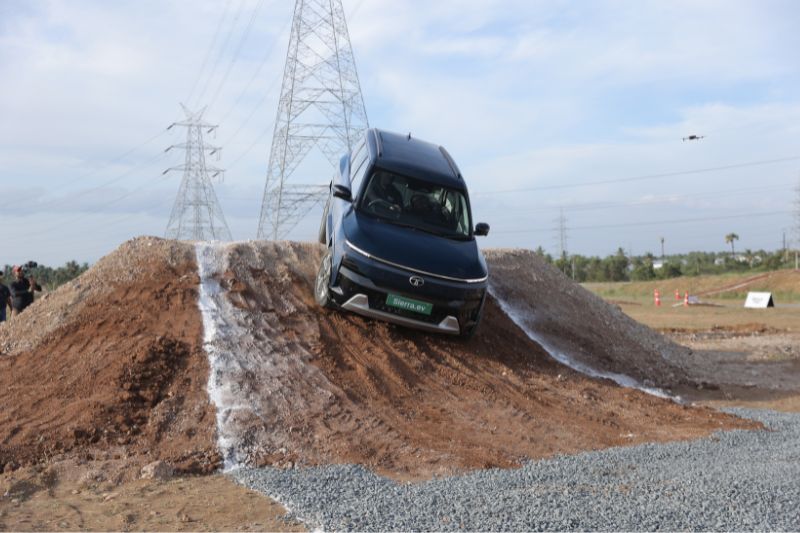
On the move, the Sierra.ev felt noticeably better than its ICE counterpart. Instant electric torque made overtaking effortless, while the ADAS Level 2+ suite, adaptive cruise control, and lane-keep assist worked confidently. There were, however, a few software glitches while using the lane-change function. Around corners, one can feel the SUV’s weight. The suspension set-up delivered a comfortable ride. Only at highway speeds did we notice the EV bouncing more than expected. Cabin refinement is good, and noise, vibration, and harshness (NVH) levels are nicely under control. The tyres could add more grip.
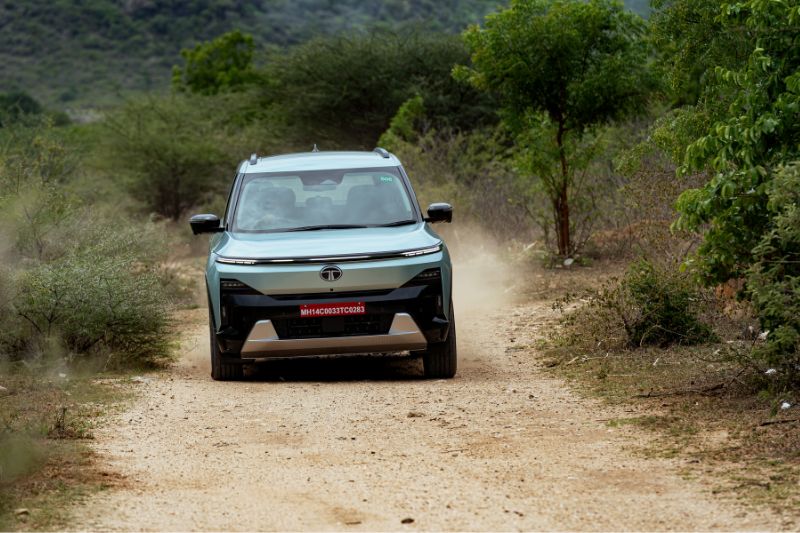
The introductory price of the Tata Sierra.ev is Rs 18.79 lakh (ex-showroom). The top Empowered A trim with 75-kWh battery pack goes for Rs 24.79 lakh (ex-showroom), but this does not include the QWD Dual Motor package. For that you need to shell out another Rs 1.20 lakh. Also, the 3.3-kW AC portable charger is standard across all trims, but for an extra Rs 49,000, you can also opt for a 7.2-kW AC fast home charger. So, if you go all in, the total cost might just cross Rs 26.50 lakh.
Watch our off-road experiences:
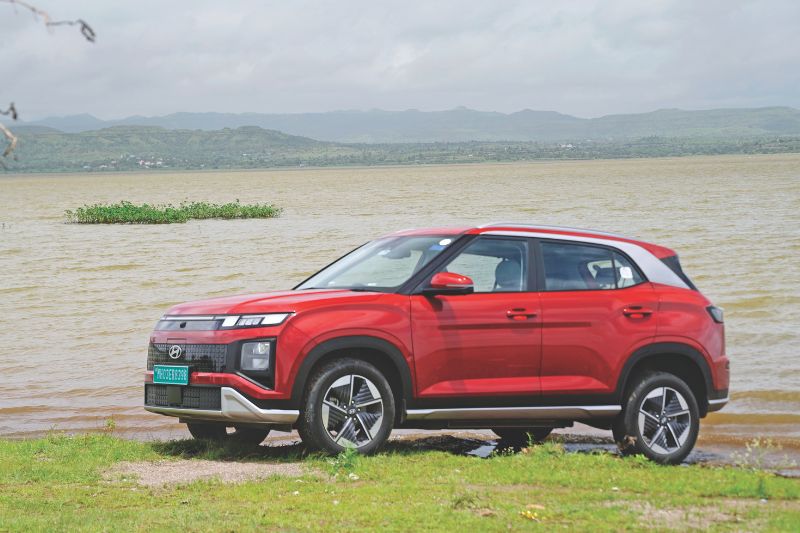
The closest competition to the Sierra.ev is the Hyundai Creta Electric which is priced slightly cheaper. And with the new Battery-as-a-Service model, the upfront cost of the Creta Electric has slid down to below Rs 11 lakh and Rs 3.9/km for the base variant. But the Tata Sierra stands as a feature-rich option with a lot of practical features and a few gimmicks.








Leave a Reply