


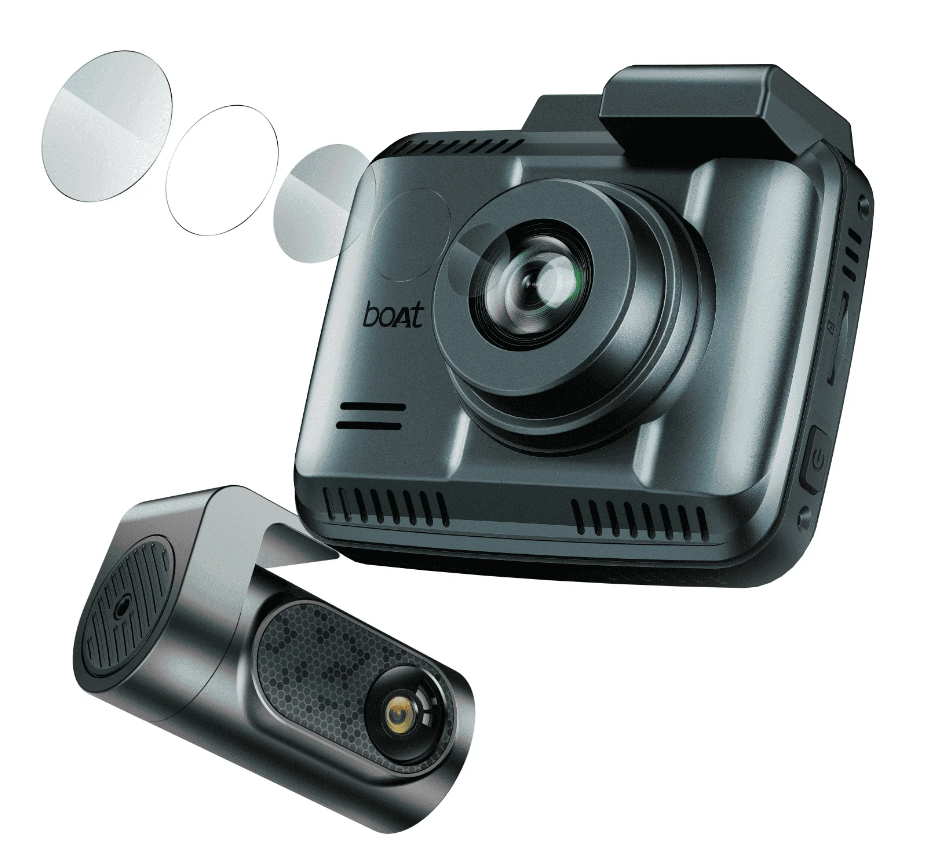
We explain why having a dual-channel dashcam has some key benefits over a single-channel unit even though you’ll have to fork out more dough in the process
Drivers must remain alert because driving on Indian roads can be chaotic. Arguments with other drivers, light bumps from behind, and abrupt stops at traffic signals are all frequent occurrences. The identity of the observer frequently shapes the narrative that emerges.
Simply recording the road ahead is not enough to capture the entire journey in the fast-paced driving environment of today. Most dashcams stick to the basics, capturing only the road ahead. But many significant incidents, such as rear-end crashes and fender-benders, occur behind the vehicle. Depending on a single-channel dash cam can leave you with missing pieces of the puzzle. The solution? A dual-channel dash cam records, which simultaneously documents both the front and rear views.
Navigating Urban Madness
Let’s talk about urban traffic, where things can quickly turn messy. Responsibility is often a point of contention because everyone’s behaviour is amplified, drivers tailgate, change lanes without warning, and react too late. The way we recall events is never identical.
But guess what? Rear footage changes the game entirely. It captures tailgating, aggressive driving, and last-minute braking from angles the driver simply can’t see. The boAt Hive Dashcam F1 dual-channel dash cam recording fills in those memory gaps, giving you the ultimate security and peace of mind on the road.
Why Do Disputes Come to a Swift End with Dual Lenses?
When a dual dash cam for car footage is utilised for insurance claims or to clarify incidents, three crucial elements take centre stage:
Sequence, Continuity, and Absence of Blind Spots
With dash cam dual-channel setups, you get to enjoy all three spectacularly. The result? A game-changing reduction in counter-claims, fewer lingering questions, and way less back-and-forth drama. This isn’t just about proving someone wrong; it’s about revealing exactly what transpired on the road.
This is where premium options like the Hive Dashcam F1 from boAt shine, carving out their place in the lives of those who navigate bustling roads for hours each day.
Dual-Channel Dashcams: Your Footage, Your Context
Imagine a dashcam that captures not just the road ahead, but also what’s happening behind you. Dual-channel dashcams are the solution, capturing both the front and rear views at once, essentially stitching together a continuous record of everything happening around your car.
This distinction, while seemingly small, is significant. The front camera might capture you easing off the accelerator, but the rear camera could show the driver behind you slamming on the brakes, unable to avoid a collision.
With both perspectives, the question of fault becomes crystal clear; it’s all there for everyone to see.
Single-Channel Dashcams: Still Relevant, But Limited
Not every driver is ready for the full front-and-rear coverage adventure right off the bat. Enter single-channel dashcams like the boAt Hive Dashcam E1. Designed to capture sharp, full HD footage from the front, these devices offer a broad viewing angle. They’re an excellent choice for anyone new to the technology or looking to save some money.
While they offer great documentation, there’s a catch: everything that happens behind the car goes undocumented. And as driving conditions become more intricate, that limitation can loom large.
Making Decisions Based on More Than Just Specs and Real Life
Selecting between a single-channel dash cam and a dual-channel dash cam based only on specifications is not the only consideration in the end. It all comes down to matching your decision to your real driving style. If you live a life that consists of:
- Exciting city commutes
- Using public parking lots
- Road trips with the family
- Fighting a high volume of traffic
After that, dual-channel recording becomes a need rather than a luxury.
boAt’s Hive Dashcam F1 is designed for today’s drivers, keeping pace with their changing requirements. It offers 4K ultra HD recording for the front, plus dual-channel functionality. This means the dashcam captures events happening in front of and behind the car, both with impressive detail. The goal? To minimise blind spots and clear up any confusion when it matters most.
Wrapping Up
As driving has changed, so too should our instincts. Because of the increased traffic density and the ease with which tempers can flare, accountability is determined by actions rather than just words. Recording from just one angle seems like a risky move in a situation where you need all the coverage you can get.
Upgrading from a single-channel dash cam to a dual-channel model means weighing the latest tech against what you actually need. The boAt Hive Dashcam F1, for example, makes it easy, capturing crucial moments in the background and ready to provide evidence when necessary.
For those who prefer a more straightforward setup, the boAt Hive Dashcam E1 offers solid front-facing documentation.








Leave a Reply