


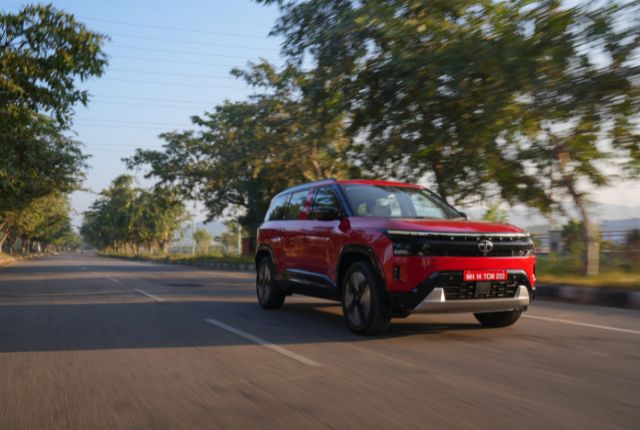
From analog icon to digital disruptor, the Tata Sierra is back. We experience it first-hand in Chandigarh
Story: Anvay Mahajan
Photography: Siddharth Dadhe
For the past decade, the Hyundai Creta has maintained its dominance in the mid-size SUV segment majorly between the Rs 10-20 lakh price range. Major manufacturers, including Maruti Suzuki, Honda, Skoda, Volkswagen, and Kia, have endeavored to challenge the Creta with their respective offerings. Surprisingly, Tata Motors previously lacked a product in this particular segment. While the Tata Harrier could be considered, it typically competes in a higher segment, alongside the Jeep Compass. Consequently, Tata Motors has strategically opted to reintroduce a nameplate that historically defined the SUV segment in India two-three decades ago: the Sierra.
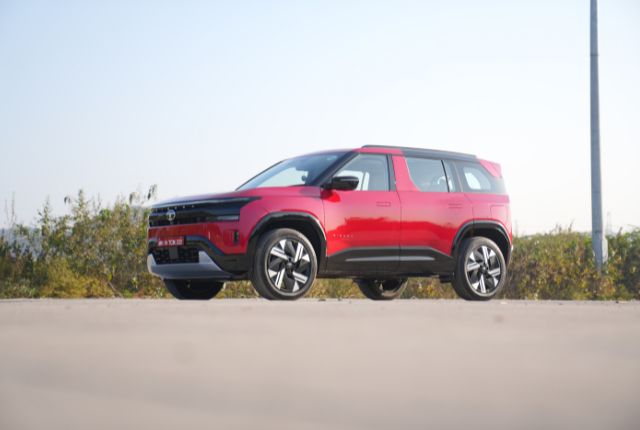
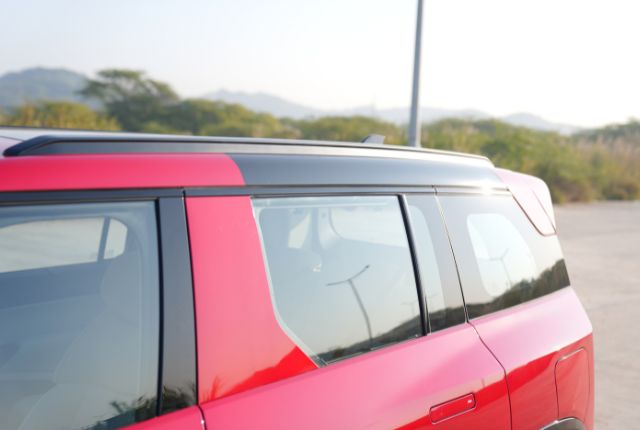
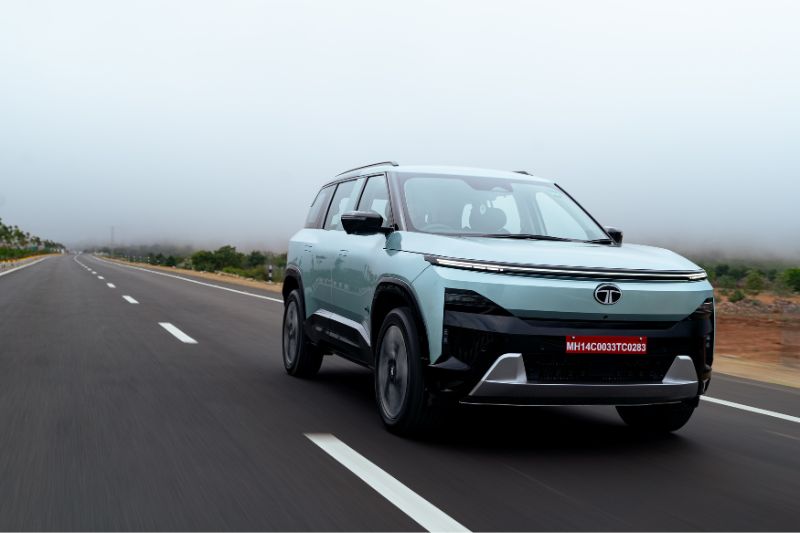
The new Tata Sierra presents a bold and refreshed aesthetic while retaining its nostalgic identity. Unlike the increasingly repetitive design language observed in models such as the Nexon, Harrier, and Curvv, the Sierra features a distinctive front fascia, attributed to its new A.R.G.O.S platform architecture. Both the front and rear ends are dead straight, aligning with the design characteristics of a robust SUV. The new Sierra is no longer a three-door SUV but is a five-door SUV. Furthermore, in order to comply with modern safety regulations, the signature rear window has been done away with. In its place, Tata has ingeniously incorporated a black accent between the B- and C-pillars to visually mimic the presence of a window. The new Sierra is offered with 17-, 18-, and 19-inch wheel options, depending on the chosen variant. The 19-inch wheels, exclusive to the top-tier Accomplished and Accomplished+ variants, significantly enhance the SUV’s visual appeal and assertive stance.
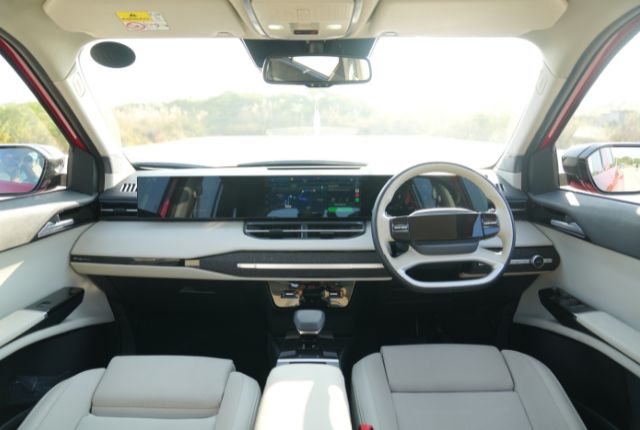
The cabin of the new Sierra also deviates from other Tata cars currently available in the market. A prominent feature is the three-part digital display system. The instrument cluster is a clear and sharp unit, incorporating Tata’s characteristic user interface. Centrally positioned is the infotainment screen, which supports wireless Android Auto and Apple CarPlay, alongside a suite of other applications. A third screen is dedicated to the co-passenger, offering personalized content and a tailored music experience. This third screen can also be utilized for playing arcade games. From a personal perspective, this three-screen arrangement appears excessive. As a co-passenger, my preference would be to focus on the road, enjoy the scenery and engage with the driver. The lower variant of the Tata Sierra is also available in a two-screen setup with the heads-up display, a commendable feature with practical benefits and something that fosters a driver-centric environment. I prefer the two-screen setup variant. The floating handrest stands out as an elegant design element. There are so many features inside that it will require a full week to cover the whole list.
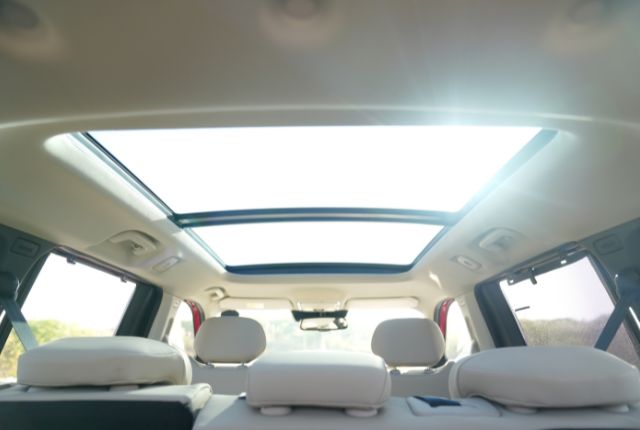
In contrast to its predecessor, the second row of the new Sierra is now accessible via the rear doors. This second row provides sufficient space for three occupants, with sufficient legroom, headroom, and under-thigh support. The expansive sunroof, the largest in its segment, contributes to an enhanced sense of airiness and allows a considerable amount of natural light into the cabin. The rear seats are equipped with practical features such as ‘boss mode,’ window shades, rear USB Type-C charging ports, air-conditioning vents, and reclining functionality. Overall, the interior presents a fresh and contemporary feel. The tailgate is electronically operable. The new Sierra boasts a 622-litre boot space, which can be expanded to 1257 litres, providing practical luggage capacity suitable for an average Indian household.
The new Tata Sierra will be available with three engine options: a 1.5-litre, four-cylinder engine offered as either a naturally-aspirated petrol (Revotron) or a turbo-petrol (Hyperion); or a turbo-diesel engine (Kryojet). The naturally-aspirated petrol engine can be paired with either a 6-speed manual or a 7-speed DCA transmission, while the turbo-petrol engine is exclusively available with a 6-speed automatic transmission. The diesel engine can be coupled with either a 6-speed manual or a 6-speed automatic transmission. Currently, the Tata Sierra is exclusively offered with a front-wheel-drive system, although the brand has confirmed its intentions to introduce an all-wheel-drive variant in the future. We had the opportunity to drive the turbo-petrol and the diesel variants. The Hyperion engine has a slight turbo-lag, but nothing unacceptable. The diesel engine demonstrated superior performance at the low-end compared to the turbo-petrol, although it was slightly loud.
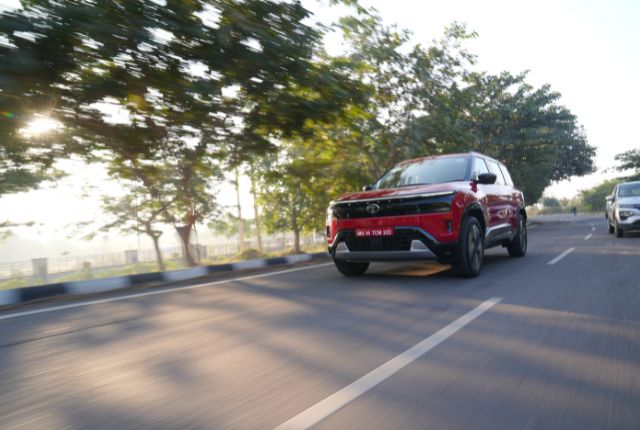
The new Sierra is equipped with ADAS Level 2+. We tested the lane-keep assist and adaptive cruise control functionalities, both of which performed adequately. The Sierra includes six airbags as standard. Tata conducted a partially head-on frontal impact test, where two Sierras collided at 60 km/h, a novel and significant achievement for Tata Motors. As this is a novel test, there are no metrics available for this yet in India. But the Sierra was able to keep its passenger cell intact, doors open post impact, fuel system sealed, belts secured and released, and was able to keep overall structural integrity intact.
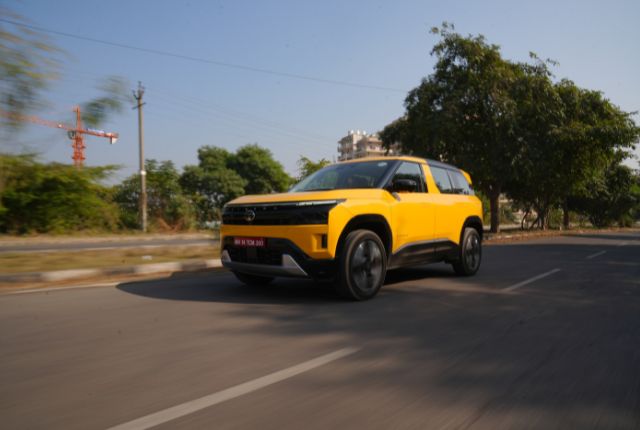
The new Sierra’s suspension setup was good and really balanced. It felt firm enough for taking corners fast, but also soft enough when the road got bumpy. The SUV seems to have minor body roll. There are three different terrain modes that change the suspension to fit the environment: Normal, Wet, and Rough. We didn’t get a chance to try these modes during our short drive, but we’re looking forward to testing them out in our full road test. Most of our drive was on paved roads, and the SUV felt really stable. The steering also gave accurate feedback. Though, sometimes when using the lane keep assist, the steering would give a bit of a reverse torque.
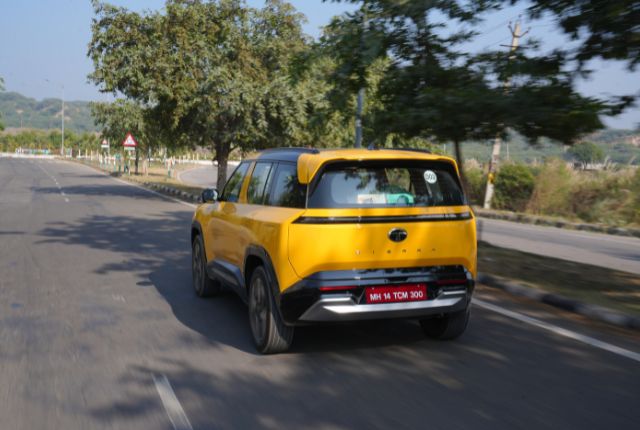
Tata absolutely nailed the design of the new Tata Sierra. And honestly, it’s not just our opinion. While we were driving in Chandigarh, locals stopped us a couple of times to snap pictures. It really turns heads. And the introductory price of Rs 11.49 lakh ex-showroom is good enough, for now. The Tata Sierra is in a tough spot with a lot of competitors, and it’s arrived pretty late to the game. But on the flip side, it’s packed with features. So, we think the Tata Sierra is a very nice proposition because of three big reasons: its looks, its long list of features, and that strong sense of nostalgia.








Leave a Reply